


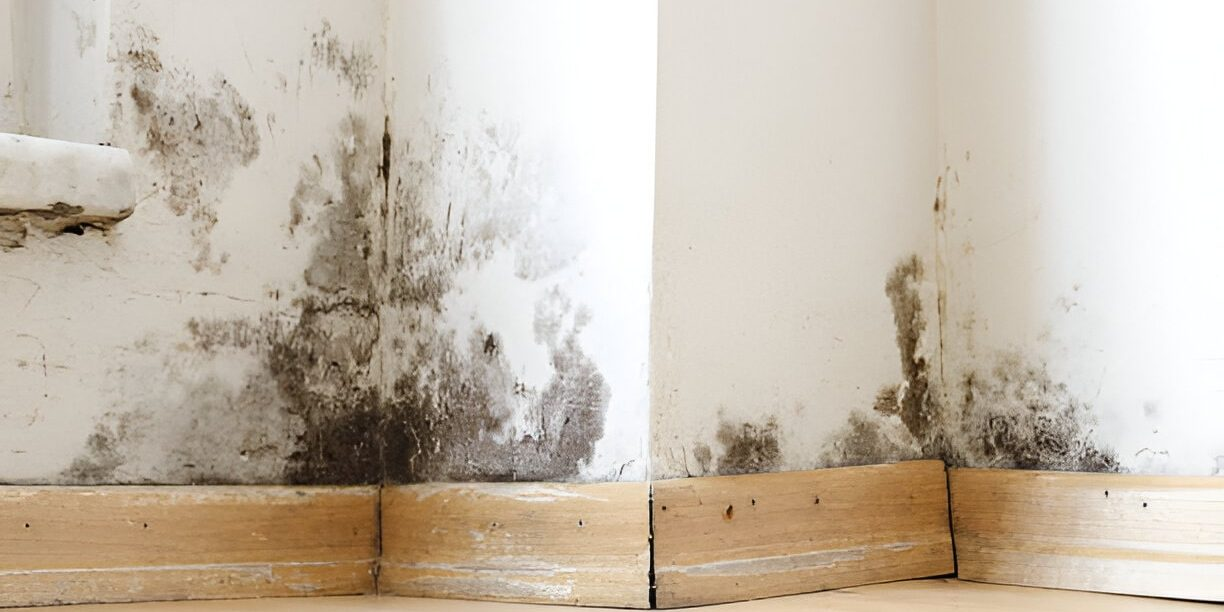
After a leak or flood cleanup, visible surfaces may appear fine while moisture remains hidden in wall cavities. Drywall can dry on the face yet remain damp on the back, especially when insulation, vapor barriers, or thick paint films slow evaporation. Trapped moisture is a concern because it can lead to odors, staining, swelling, fastener corrosion, and mold growth that may not appear for weeks. The goal is to confirm whether the wall is truly dry, not just clean and quiet. That requires looking for subtle clues, understanding how water moves through framing, and knowing where moisture tends to linger. Many homeowners assume that fans for a day or two solve everything. Still, drying times depend on how much water entered, how long it sat, the indoor humidity, and whether air can circulate behind the drywall. With a few practical checks and a logical approach, you can decide whether the wall is safe to close up or whether further drying or selective removal is needed.


Signs and verification steps
- Surface Clues That Suggest Hidden Moisture
The first signals of trapped water are often small changes in the finish. Look for paint that bubbles, softens, or separates from the paper face, especially near baseboards and corners where water collects first. Drywall that feels cool to the touch in one strip compared to surrounding areas can also indicate lingering moisture, because evaporation cools the surface. Pay attention to texture changes, such as slight rippling, raised seams, or nail pops that weren’t present before, since swelling behind the face can push fasteners outward. Discoloration is another clue, but it may lag behind the moisture problem. A faint yellow or gray shadow can indicate that water has traveled upward through the gypsum core and carried contaminants. Odor is a strong indicator, too. A musty smell that returns after the room has been closed overnight can signal damp insulation or framing, even if the drywall seems dry during the day. Also watch for secondary effects: baseboards that start to separate, caulk lines that crack, or flooring edges that curl near the wall. These are not guarantees, but they are reasons to investigate further rather than repainting and moving on.
- Simple Testing Methods That Go Beyond Visual Checks
Visual inspection alone is not enough; practical measurement is needed. A pin-type moisture meter can read drywall moisture content by penetrating the face paper, while a pinless meter can scan broader areas and help you compare damp zones to known dry zones. Compare readings at the suspected area with an interior wall that never got wet, since absolute numbers can vary by device and material thickness. Thermal imaging can also be useful, because cooler patches may indicate evaporation or a wet backing, though it should be interpreted carefully in rooms with cold air drafts. Another method is to use a small borescope camera inserted through a tiny hole behind a baseboard or in an inconspicuous area to view the insulation and framing. If you see dark staining, damp insulation, or condensation on the back of drywall, that confirms the cavity still needs attention. Professionals often combine these tools with targeted airflow strategies, and a company like Steam Team of Amarillo may use moisture mapping to confirm whether drying is complete before repairs begin. The goal is to avoid guessing, because hidden moisture can stay trapped even when the room feels dry.
- Where Water Hides and Why It Stays There
Understanding the wall assembly explains why moisture lingers. Water often collects at the bottom plate, behind baseboards, and in insulation, especially fiberglass batts, which can retain moisture while still appearing normal from the outside. If the wall has a vapor barrier or foil-backed insulation, moisture can be trapped between layers and dry very slowly. Exterior walls dry more slowly because one side is colder and less ventilated, and the cavity may contain more insulation. Shared walls near bathrooms or kitchens can hide moisture around plumbing penetrations and behind cabinets where air movement is poor. Another hidden zone is around electrical boxes, where water can travel along wiring paths or collect in low points. If water entered from above, it may have run down the studs and pooled behind the drywall several feet away from the visible stain. In some cases, water wicks upward through the gypsum core, so the damp area extends higher than expected, even if the top edge looks fine. Drying also slows dramatically if indoor humidity remains high, so running fans without dehumidification can leave the cavity damp for days longer than you think.
Confirm Dryness Before Closing Up Repairs
Water trapped behind drywall after cleanup is common because wall cavities dry more slowly than visible surfaces. The safest approach is to look for subtle clues such as cool patches, soft drywall, recurring musty odor, and small finish changes near baseboards and corners. Use measurement tools like moisture meters, make careful comparisons with unaffected walls, and use targeted inspection methods, such as a small camera view when needed. Remember that insulation, vapor barriers, exterior walls, and tight spaces behind cabinets are frequent hiding places where moisture lingers. If you confirm dampness remains, focus on improving airflow into the cavity, reducing indoor humidity with dehumidification, and removing saturated materials in limited sections rather than tearing out everything. Monitoring progress with repeat readings helps you avoid premature repairs that trap moisture and create later problems. When the wall returns to stable, dry readings and odors are gone, you can move forward with confidence and keep the repair truly finished.









