Visibility conditions can influence how an accident occurs, how the people involved remember it, and how an insurance company later evaluates responsibility. Glare, darkness, rain, fog, blocked signs, overgrown landscaping, and poorly lit intersections may disappear or change within hours. Documenting those conditions can provide context that vehicle damage and written statements cannot show on their own.


The financial effects may begin before anyone fully understands what happened. Towing charges, vehicle storage fees, transportation expenses, missed work, and insurance deductibles can create short-term pressure even when injuries initially appear moderate. A car crash attorney can help explain how these losses may fit into the broader evaluation of a claim.
Photographs, videos, witness information, and accurate notes can connect visibility issues in accidents to the decisions each driver made. As Attorney Corey Rosensteel explains, “The scene often changes faster than people expect.” A careful record preserves details that might otherwise depend on memory weeks or months later.
Article Brief
Scene documentation helps explain what each person could reasonably see before a collision. It may also support a more complete review of property damage, lost income, transportation costs, and other accident-related losses.
* Record lighting, weather, glare, shadows, and sight obstructions
* Photograph the approach to the collision from each driver’s direction
* Preserve receipts and records connected to immediate expenses
* Identify witnesses who observed the conditions
* Avoid guessing about facts that are not yet clear
What Counts as a Visibility Problem at an Accident Scene
A visibility problem is any condition that limits, distorts, or delays a driver’s ability to see another vehicle, pedestrian, traffic signal, sign, or roadway hazard. Some problems come from the environment, such as heavy rain or direct sunlight. Others involve the roadway itself, including parked vehicles near an intersection, tree branches covering a sign, construction barriers, or inadequate street lighting.
Vehicle-related conditions may also matter. A cracked windshield, fogged glass, dirty mirrors, damaged headlights, or an overloaded vehicle that blocks the rear window can affect what a driver sees. Recording these details does not automatically establish fault, but it gives insurers and other reviewers a clearer factual foundation.
How to Capture Conditions Before They Change
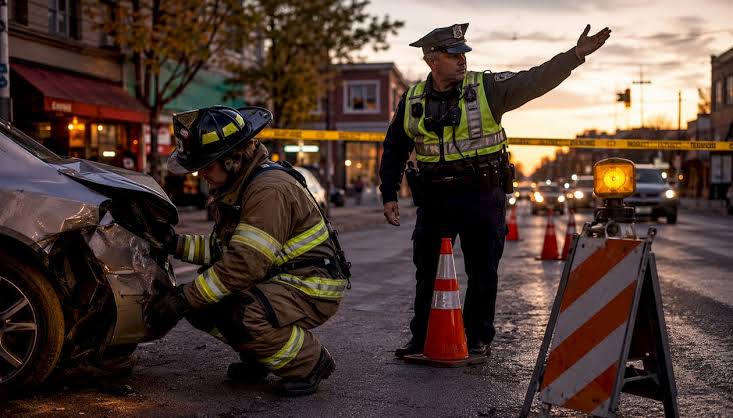
Accident scenes are temporary. Traffic resumes, vehicles are moved, weather clears, streetlights turn on, and landscaping may later be trimmed. When it can be done safely, early documentation helps preserve the scene as it appeared near the time of the crash. People who are uncertain about what evidence may matter can also use a <a href=”https://www.rflaw.net/practice-areas/charlotte-car-accident-lawyer/”>car accident attorney consultation</a> to discuss the records already available and whether additional material may still be obtainable.
The most useful photographs usually show more than close views of vehicle damage. Wide images can establish the shape of the road, the distance between an obstruction and an intersection, or the position of a traffic signal. Photos taken from the direction each vehicle approached may help show whether a sign was visible, whether sunlight faced a driver, or whether another object blocked the line of sight.
Video can add information that still photographs miss. A slow recording of the approach may capture changing glare, flashing signals, passing traffic, or the limited time available to see an approaching vehicle. The recording should reflect the actual scene without staging movements or creating new hazards.
Written notes can preserve details that a camera may not communicate well. A person might note that rain made lane markings difficult to distinguish, that a streetlight was flickering, or that headlights reflected off standing water. Recording the approximate time also matters because the position of the sun and the level of natural light can change quickly.
What Should Be Photographed After a Visibility Related Crash
Useful scene photographs often include the full intersection or roadway, traffic controls, nearby lighting, sight obstructions, skid marks, debris, and the final locations of the vehicles. Images from different distances provide both detail and context. A close photograph of a covered sign is helpful, but a wider photograph showing where that sign sits in relation to the road may explain why it mattered.
It can also be useful to capture temporary conditions. Delivery trucks, trash containers, construction equipment, temporary signs, and parked vehicles may be gone by the time an insurer investigates. If a condition cannot be photographed safely, its location and appearance can still be described in notes or reported to the responding officer.
How Can Witnesses Help Explain Limited Visibility
Witnesses may confirm whether headlights were operating, whether a traffic signal was difficult to see, or whether an obstruction affected multiple drivers. Their independent perspective can be especially valuable when the people involved remember the event differently. A name, telephone number, and brief description of what the witness observed may be enough to allow later follow-up.
Nearby residents and business employees may know whether a visibility problem existed before the collision. They might have noticed repeated close calls, a broken light, or vegetation that regularly blocked the view. Those observations should be documented accurately without encouraging anyone to speculate about fault.
Connecting Scene Evidence to Costs and Responsibility
Visibility evidence becomes more meaningful when it is connected to the sequence of events. A dark roadway alone does not explain a crash. The important questions may include when each driver could first see the other vehicle, how much distance remained, whether traffic controls were visible, and what actions followed.
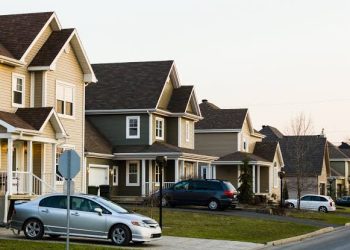
Consider a collision at the entrance to a Charlotte residential neighborhood shortly after sunset. A driver leaving a side street may have a partially blocked view because of parked vehicles and deep shadows from nearby trees. The other driver may be traveling toward the setting sun, making the smaller vehicle harder to distinguish. Photographs taken after the cars are moved might still show the parked vehicles, road design, shadows, and direction of the sunlight. Without those images, the later discussion could be reduced to conflicting statements about who saw whom.
This evidence may affect more than the liability discussion. If an insurer disputes responsibility, payment for vehicle repairs and other losses may be delayed. During that period, the person involved could face rental costs, rideshare expenses, storage charges, missed work, or difficulty reaching regular commitments. Keeping receipts, invoices, work records, and insurance correspondence creates a clearer picture of how the collision affected daily finances.
Can Poor Visibility Determine Who Is Responsible
Poor visibility is usually one part of a broader factual review. Drivers generally must respond reasonably to the conditions around them, but the specific evaluation may involve speed, following distance, lighting, traffic controls, distractions, and the actions of everyone involved. A visibility issue does not automatically excuse a driver or place responsibility on another person.
The source of the obstruction may also raise additional questions. A parked vehicle, construction project, damaged streetlight, or poorly placed object could involve information beyond the conduct of the drivers. Identifying who controlled the property or equipment may require records that are not available at the scene.
What Responsibilities Do Drivers Have When Visibility Is Limited
Drivers are expected to account for conditions they can observe, including darkness, rain, glare, and obstructed views. After a crash, each person should provide required information, cooperate with appropriate reporting procedures, and describe events honestly. Statements should stay grounded in what the person actually saw and experienced.
It is also important not to alter or discard relevant material. Original photographs, dashcam files, repair estimates, text messages about transportation arrangements, and written communications with insurers may help establish a timeline. Copies can be organized by date while the originals remain preserved.
Financial records deserve the same care as scene evidence. A simple log can connect each expense to the accident and explain why it was incurred. Consistent documentation may make it easier to distinguish direct losses from ordinary household spending when the claim is reviewed.
A Practical Path Forward After Documentation Begins
Good documentation does not require a person to solve every question at the roadside. The immediate goal is to preserve accurate information before conditions change. Photos, witness details, official reports, receipts, and a clear timeline can later be reviewed together to show how visibility affected the crash and what financial consequences followed.
If important details were missed at the scene, useful information may still exist. Nearby cameras, traffic records, weather reports, vehicle data, repair photographs, and follow-up images of the location may add context. The availability of these materials can be limited, so identifying potential sources early may prevent relevant evidence from being overwritten or lost.
Rosensteel Fleishman can review the circumstances of a Charlotte car accident and explain how scene evidence may relate to responsibility and documented losses. A free consultation at 1-704-714-1450 offers an opportunity to ask questions without assuming that every poor visibility claim will be evaluated the same way.
The clearest path forward is to keep the record accurate, organized, and tied to real events and expenses. When visibility cond