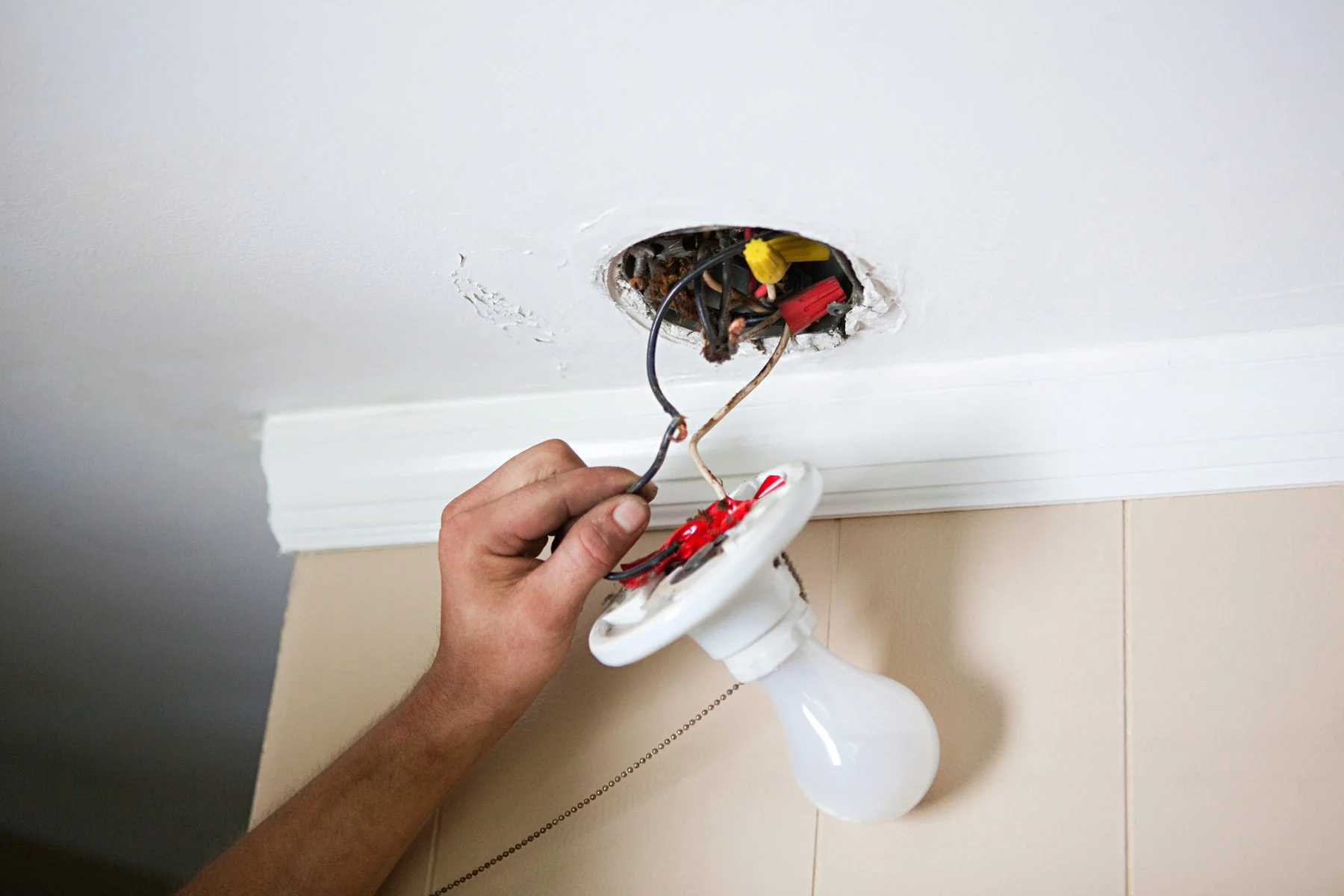
Flickering lights in an older home can feel like a warning sign that the entire electrical system is failing, but many causes can be narrowed down and corrected without tearing open every wall. Older wiring methods, aging connections, and modern, high-demand appliances can combine in ways that result in dimming or flickering bulbs. The key is to treat flicker as a symptom with patterns rather than a mystery. Does it happen only when the refrigerator starts, when the HVAC blower kicks on, or when a dimmer is used? Does it affect one room, one circuit, or the whole house? Those clues can point to a loose connection, an overloaded branch circuit, a neutral issue, or even a simple mismatch between LED bulbs and older dimmer switches. Careful troubleshooting can reduce risk, improve comfort, and avoid unnecessary rewiring. A thoughtful approach also protects older homes where preserving plaster, trim, and finishes matters. By checking the simplest causes first and escalating logically, homeowners can often solve the problem with targeted repairs rather than a full overhaul.


Steps to Diagnose and Fix
- Start With Patterns, Not Assumptions
Begin by tracking exactly when the flicker occurs, because timing often reveals the source. If the lights flicker only in one fixture, the problem may be a loose bulb base, worn socket, or failing LED driver rather than a house-wide issue. If several fixtures on the same switch or in the same room flicker together, that points to a loose device connection, a failing switch, or a shared circuit problem. If the whole home dims briefly when a large load starts, that can be a normal voltage drop, but frequent or severe dips suggest an overloaded circuit, undersized conductors, or a weak connection somewhere along the path. Older homes sometimes have mixed wiring methods due to renovations, so that a single circuit may include older splices, newer devices, and multiple lighting types. Document the flicker with a short phone video and note what else is running, since that record can help during service. If you use dimmers, test by setting the lights to full brightness, then try a different bulb type, because incompatibility can mimic electrical faults. Many people also forget to check the obvious: loose lamp cords, worn extension cords, and fixtures with overheated sockets can all create intermittent flicker that seems like a wiring issue when it is not.
Check Common Culprits That Do Not Require Rewiring
A large share of flicker complaints comes from connections and devices rather than from the cable hidden in the walls. Start at the fixture and work backward. Turn off the power, verify it is off, then inspect the bulb seating and the socket for heat discoloration or looseness. Next, inspect the switch, especially if it feels warm, makes crackling sounds, or has been repeatedly painted over. Loose terminal screws at switches and receptacles are a frequent cause in older homes, especially where devices were backstabbed or where wires were bent too sharply over time. Replacing a worn switch or re-terminating wires on screw terminals can stabilize lighting without touching any cable runs. Dimmers are another frequent factor. Older dimmers were designed for incandescent loads and often cause LED flicker unless rated for LED use and matched to the bulb. A targeted dimmer upgrade can solve persistent fluttering in a room. If the flicker occurs when appliances start, check whether the lighting shares a circuit with heavy loads such as microwaves, portable heaters, or window AC units. Moving one load to another circuit or adding a dedicated circuit can reduce voltage drop without rewiring everything. If you want a local technician to confirm device connections and circuit loading, Falcon Electric near Portland can help determine whether a targeted fix will be sufficient.
- Neutral and Grounding Issues That Need Priority Attention
Some flicker patterns indicate problems that should be treated as higher priorities because they can generate heat and damage equipment. A loose neutral connection is a classic example. It can cause uneven brightness, lights that get brighter when other loads run, or flicker across multiple rooms. In some cases, you may notice lights pulsing when a dryer or oven turns on, or you may see different rooms behave differently at the same time. Neutral issues can occur at a device, in a junction box, in the panel, or even at the service connection. This is not a place for guesswork, because a loose neutral can create overvoltage conditions on some circuits. Another issue in older homes is outdated grounding, especially where two-prong receptacles remain or where grounding conductors were never installed. While a lack of grounding does not directly cause flicker in most cases, it can increase the risk of device failure and complicate surge protection and the use of sensitive electronics. If the home has aluminum branch wiring from certain eras, oxidation at the devices can cause flicker and heat. That does not automatically mean full rewiring, but it does require the right connectors and methods for safe termination. Targeted remediation at devices and junction points can often stabilize performance while keeping walls intact.
- When Targeted Upgrades Beat Total Replacement
If troubleshooting shows that flicker is tied to circuit loading or voltage drop, a selective upgrade plan often makes more sense than rewiring the entire house. One approach is to add dedicated circuits for known heavy loads, such as a kitchen microwave, laundry equipment, or a home office, which reduces demand on older lighting circuits. Another approach is to improve the service side. Older homes may have panels with limited capacity, aging circuit breakers, or weak bus connections, which can cause inconsistent voltage under load. A panel evaluation can reveal whether tightening connections, replacing a breaker, or upgrading the service will stabilize power delivery. Lighting itself can also be improved without invasive work. Replacing old fixtures with modern, LED-rated fixtures, swapping aging lampholders, and using LED-compatible dimmers can eliminate flicker sources at the endpoints. If you have multiple renovations over the years, a circuit map is valuable. Labeling circuits, identifying shared neutrals, and confirming correct breaker pairing for multi-wire branch circuits can prevent subtle issues that show up as flicker. These focused upgrades respect the structure of older homes while reducing the likelihood that flicker returns during seasonal load changes.
Solve Flicker With Smart Steps First
Flickering lights in older homes are often fixable without ripping out walls, as long as the troubleshooting follows a clear sequence and treats patterns as useful evidence. Start by identifying where the flicker occurs and what triggers it, then check bulbs, fixtures, switches, and dimmers for compatibility and loose connections. Many problems stem from worn devices or weak terminations, which can be corrected with targeted replacements and careful re-termination. More serious patterns, such as flicker across multiple rooms or brightness changes tied to large appliances, can indicate underlying problems or service issues that should be addressed quickly for safety. When circuit loading is the cause, selective upgrades, such as adding dedicated circuits or improving panel connections, can reduce voltage drops while preserving the home’s finishes. The goal is to stabilize lighting through the least invasive steps while still addressing the underlying cause. With a measured approach, homeowners can restore steady lighting, reduce nuisance complaints, and improve confidence in the electrical system without committing to an all-at-once rewiring project.