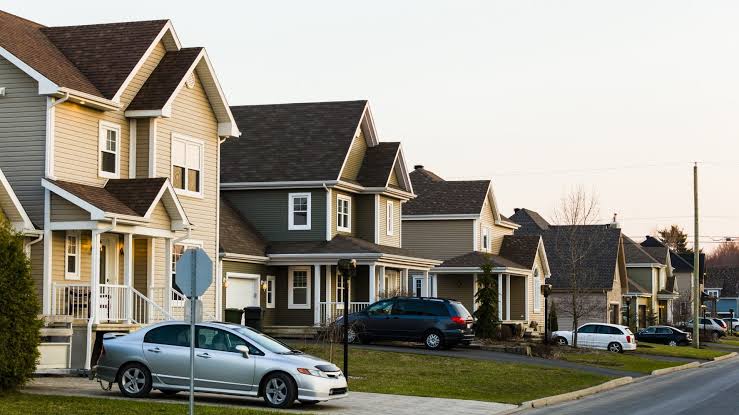
Everyone talks about square footage and price tags when the topic of moving to the suburbs comes up. What almost nobody mentions is what actually changes in your daily life once the moving truck pulls away and the driveway is finally yours. The bigger backyard is real. So is the extra bedroom. But so are a dozen small shifts that nobody warns you about, from how you spend a Sunday morning to how often you bump into a neighbor. Most articles stop at the pros and cons list. This one goes a step further and looks at what your first year actually feels like once the boxes are gone. If you are weighing a move outside the city, here is what really changes, and how to get ready for it without any nasty surprises.


Space Isn’t the Only Thing That Gets Bigger
The most obvious draw of the suburbs is room to breathe. A cramped apartment turns into a house with a yard, an office, and maybe even a garage. But the bigger shift is what that extra space lets you do with your life. You get a place for hobbies. You get a spot for family to stay when they visit. You get room to grow into, instead of out of. This is especially true in fast growing metro areas, where suburban neighborhoods often deliver far more value per dollar than anything close to downtown.
One of renowned Atlanta real estate teams, Empower Home Team in Atlanta, GA, says, “Everyone loves Atlanta for different reasons, whether it’s for our enthusiasm over sports, our soul food, or the great outdoors, one thing we can agree on is that this is the place to be. If our recreational opportunities weren’t enough to convince you, unlike other cities, our endless real estate opportunities in the sprawling suburbs are known for being inexpensive.” That mix of affordability and lifestyle is exactly why so many families start their search outside city limits instead of inside them. It also means the extra space you gain is not just for storage. It is room for the life you actually want to build, whether that is a garden, a workshop, or simply a quiet place to read on a Saturday.
Your Errand Map Rewrites Itself
Once you move, your whole routine quietly resets. The coffee shop on the corner becomes a ten minute drive. Grocery runs turn into planned trips instead of quick walks. Restaurants that used to be steps away are now something you plan around, not something you stumble into. None of this is bad, but it does take adjustment, and it helps to think it through before moving day instead of after. Before the truck even shows up, it pays to build a simple moving checklist that covers more than just boxes, one that also maps out your new commute, your closest grocery store, and where you will fill prescriptions. Getting organized early keeps the transition calm instead of chaotic, and it gives you one less thing to worry about once you are unpacking in a brand new neighborhood.
Your social rhythm shifts too, and this one sneaks up on people. In the city, seeing a friend might mean walking two blocks. In the suburbs, it often means texting first and picking a day. That is not a downside, just a different pace. Many families end up building a tighter, more intentional circle of neighbors instead of a wide, casual one. Give it a few months, join the neighborhood group chat, say yes to the block party, and this part tends to sort itself out.
The Costs You Don’t See Coming
This is the part that catches people off guard. A lower mortgage payment does not always mean a lower monthly bill. Suburban living tends to come with its own set of expenses that renters and city dwellers rarely think about. Lawn care adds up fast. So does pest control, gutter cleaning, and general upkeep on an older home. You may also find yourself driving more, which means higher gas and maintenance costs than you expected. Several recently transplanted homeowners spoke about this shift, and it turns out mulch, landscaping, and general yard upkeep were some of the biggest surprises on their new monthly budgets.
That kind of honest, real world feedback is worth reading before you assume a move to the suburbs will automatically save you money. It might. It might not. The only way to know is to run the numbers for your specific situation, including insurance, utilities, and the small home projects that pop up in the first year. Set aside a small cushion for the first few months, so an unexpected repair feels like a minor inconvenience instead of a crisis.
The Bottom Line
Moving to the suburbs is not just a real estate decision. It is a lifestyle decision, and it touches everything from your grocery list to your Saturday mornings. The good news is that most of the surprises are manageable once you know they are coming. Talk to people who have already made the move. Ask specific questions about their monthly costs, not just their mortgage. Map out your new routine before you sign anything. Do that, and the suburbs can feel less like a compromise and more like exactly the upgrade you were hoping for.