Across many countries, rising living costs are reshaping how families think about food, budgeting, and community support. What was once an occasional concern for vulnerable households has increasingly become a challenge for middle-income families as well.


Food insecurity is not always visible. It rarely looks like the stereotypes people imagine. More often, it appears in small decisions: skipping fresh produce at the grocery store, stretching meals across several days, or quietly declining social invitations that involve food.
In difficult economic periods, these small decisions accumulate, affecting nutrition, mental health, and family stability.
But communities have long developed ways to respond.
The quiet strength of local support
Local charitable organizations have traditionally filled gaps that larger systems cannot always reach. These groups often understand their communities intimately. From cultural food preferences to the challenges faced by elderly residents or families with young children.
In many places, community-based support goes beyond simply distributing food. Volunteers may help families prepare holiday meals, organize food deliveries for homebound seniors, or provide packages that restore dignity during difficult financial periods.
Organizations like Yad Ezra V’Shulamit, for example, focus on delivering food support to families who might otherwise struggle to keep their kitchens stocked, particularly during times when living expenses rise faster than wages.
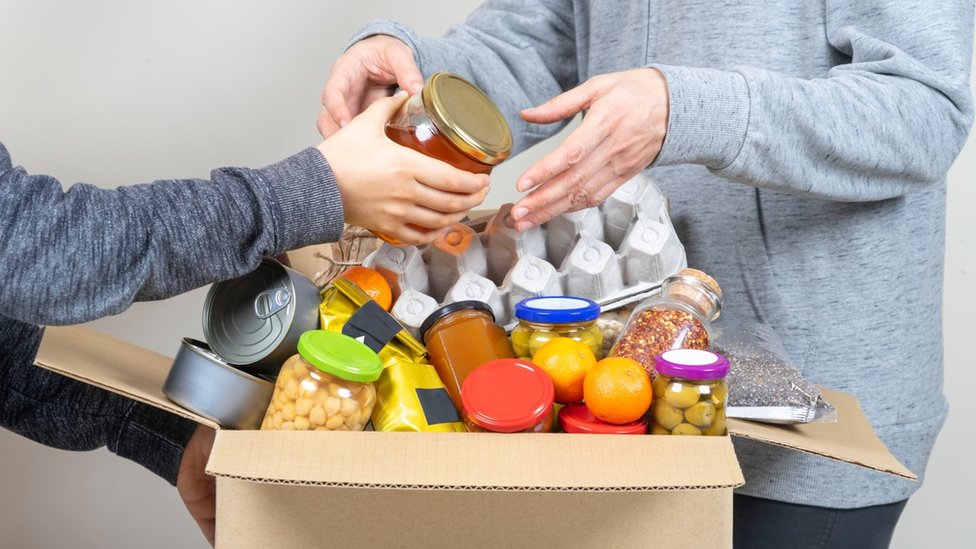
These initiatives often operate quietly. Volunteers pack boxes, drivers deliver groceries, and donors contribute funds or food items. Yet collectively, these small acts can stabilize families during moments when they might otherwise struggle.
Why food insecurity is expanding
Several global trends have increased pressure on household budgets:
- Rising grocery prices
- Housing and rent increases
- Economic disruptions following global crises
- Wage growth that has not always kept pace with inflation
When budgets tighten, food spending is often one of the first areas where families try to cut costs. Unfortunately, that frequently means sacrificing healthier options.
For children especially, consistent access to nutritious food plays a key role in development, concentration at school, and overall health.
Community action during times of uncertainty
History repeatedly shows that communities respond creatively during periods of economic stress.
Neighbors organize donation drives. Schools collect pantry staples. Local businesses contribute surplus food. Religious and civic organizations mobilize volunteers.
These efforts demonstrate something important: food assistance is not just about social resilience.
Research on nonprofit communication and community outreach shows that organizations increasingly use digital platforms and other technology trends to mobilize volunteers and supporters, expanding their reach and impact.
Online tools allow charities to coordinate deliveries, recruit volunteers, and share stories that inspire others to contribute.
The power of small contributions
One of the most overlooked aspects of food assistance programs is how small contributions add up.
A single donated food package may help a family for several days. A monthly donation can support ongoing deliveries to seniors. Volunteer time can ensure that programs run smoothly even with limited budgets.
These contributions create ripple effects throughout communities.
Children eat healthier meals. Parents experience less financial stress. Seniors living alone feel remembered and supported.
In times of uncertainty, those ripple effects become especially meaningful.
Looking forward
As economic conditions fluctuate, community food initiatives will likely continue to play an important role in supporting families.
Governments and large institutions often address systemic issues, but local programs provide the flexibility and personal connection that make immediate relief possible.
For many volunteers, participating in food assistance efforts is also a reminder that helping others does not require large gestures.
Sometimes it starts with something simple like preparing a food package, donating pantry staples, or supporting community organizations working quietly behind the scenes.
Those small acts of generosity can help ensure that families facing temporary hardship never feel completely alone.