


You don’t really notice a bad paint job until the tape comes off and the edges look rough. Or until six months later, when the color you were excited about starts to fade unevenly. Paint seems simple. A few coats, a few days, and it’s done. But when it’s done poorly, it lingers.


In Raleigh, exterior surfaces deal with strong sun, humidity, and sudden weather shifts. That combination wears paint down faster than many homeowners expect. Moisture can creep under thin coats. Heat can cause peeling if prep work was rushed. Choosing the right crew matters more in that kind of climate. The difference between a paint job that lasts and one that fails early often comes down to the people holding the brushes.
Finding Reliable Painters Starts with the Basics
Before looking at colors or finishes, it helps to understand how a crew approaches the work itself. A solid team doesn’t rush straight to painting. They inspect surfaces. They look for cracks, peeling areas, soft wood, or drywall damage. Surfaces are cleaned, sanded, and primed when needed. These steps aren’t glamorous, but they determine how long the finish holds.
Homeowners searching for reliable house painters in Raleigh often begin by comparing reviews and photos. That’s useful, but the real indicator of reliability is process. A company that explains prep work clearly, outlines timelines, and discusses materials in detail is usually thinking long term, not just about the final color on the wall.
Preparation Should Never Feel Rushed
Paint sticks best to clean, stable surfaces. That means pressure washing exterior walls when needed. It means scraping off loose paint. It means sanding rough edges so the new coat is flat and smooth.
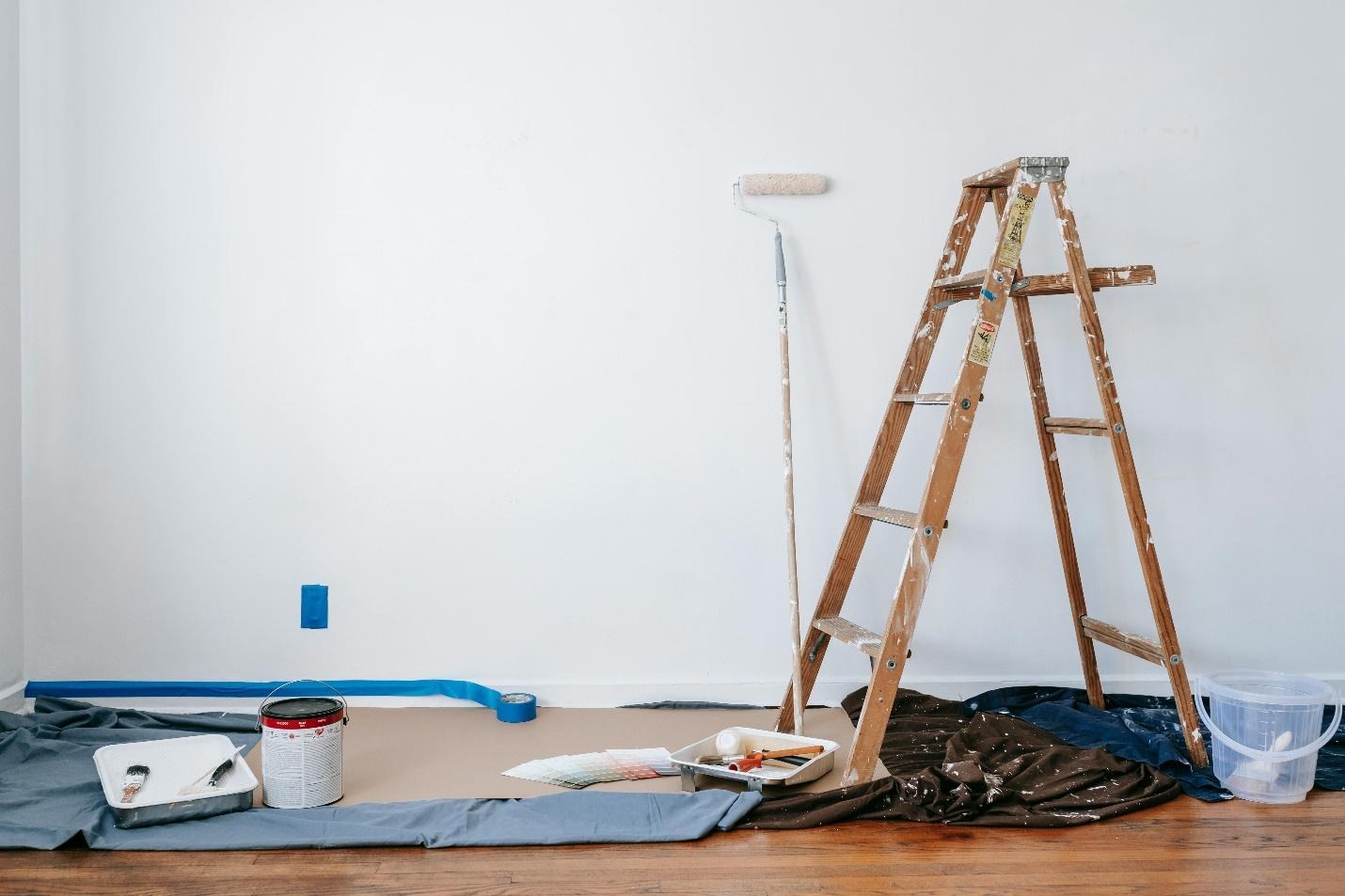
If a crew shows up and immediately opens paint cans without addressing surface flaws, that’s a red flag. Prep work takes time. It may feel slow, but it protects the investment. Indoors, preparation includes covering floors, taping trim carefully, and protecting furniture. A rushed setup often leads to splatters and uneven lines. Clean prep reflects attention to detail.
Clear Estimates and Written Agreements
Verbal promises are easy to forget. A professional painting crew should provide a written estimate that outlines labor, materials, the number of coats, and expected completion time.
The estimate doesn’t need to be complicated. It just needs to be clear. If something is unclear, ask questions. A straightforward answer builds trust. Payment terms should also be discussed upfront. A reasonable deposit is common, but full payment before work begins should raise concerns. Transparency around cost prevents misunderstandings later.
Insurance and Licensing Matter
Painting may seem low risk compared to roofing or electrical work, but accidents still happen. Ladders are used. Equipment is moved. Workers are on your property for days at a time. A reputable crew carries liability insurance and, when required, proper licensing. Asking for proof isn’t offensive. It’s practical.
If damage occurs during the project, insurance protects both parties. Without it, resolving issues can become complicated quickly.
Quality of Materials
Not all paint is created equal. Higher-quality paint often provides better coverage and durability. It resists fading and cracking longer.
A professional crew should be able to explain why they recommend a specific brand or type of paint. Exterior paint differs from interior paint. Flat finishes hide wall imperfections but may mark easily. Satin or semi-gloss finishes are easier to clean but show flaws more clearly.
Understanding these differences helps homeowners make informed decisions. If a contractor dismisses questions about materials, that’s worth noting.
Communication Style Tells a Lot
How a crew communicates before the project often reflects how they will communicate during it. Are calls returned promptly? Are questions answered clearly?
Painting projects can reveal unexpected issues once work begins. Rot behind siding. Water damage around windows. When those surprises come up, open communication becomes critical. A team that explains changes calmly and provides options without pressure is easier to work with. It reduces stress during the project.
Timeline and Crew Size
Ask how long the project is expected to take. A small interior job may last a few days. A full exterior repaint may take longer, depending on the weather. Crew size affects the timeline. Too few workers can stretch the project unnecessarily. Too many may feel chaotic if not managed well.
Weather also plays a role, especially for exterior jobs. Humidity and temperature affect drying times. A realistic schedule accounts for those factors rather than promising impossible deadlines.
Attention to Detail at the End
The final walk-through matters as much as the first coat. Edges should be clean. Surfaces should appear even under natural light. Drips and missed spots should be addressed without hesitation.
Some companies include a touch-up period after completion. That extra step shows confidence in their work.
Don’t rush this stage. Walk around slowly. Look at corners and trim. Check transitions between colors. Small imperfections can be fixed easily if caught early.
References and Past Work
Photos on a website are helpful, but direct references offer more insight. Speaking with past clients can reveal how a crew handled scheduling, cleanliness, and follow-up.
Ask about durability. Did the paint hold up after a year? Were there any issues? Honest feedback provides context beyond polished images. A crew proud of their work will usually share references willingly.
Trust Your Instincts
Hiring a painting crew is partly practical and partly personal. You’re allowing strangers into your home. You’re trusting them with visible surfaces that affect how your space feels every day. If something feels rushed or unclear during the estimate phase, it may feel worse once work begins. On the other hand, clear explanations and steady communication often signal a smoother experience.
A good paint job doesn’t just change color. It refreshes the space. It protects surfaces from wear and weather. When done thoughtfully, it lasts for years.
Choosing the right crew takes a bit of effort upfront. Asking questions, reviewing details, and understanding the process can prevent frustration later. Paint may seem simple, but the outcome depends heavily on who applies it. Taking the time to choose carefully usually pays off in walls that look clean, edges that stay sharp, and finishes that hold up long after the brushes are put away.









