Payments are one of the most consequential parts of running a modern business — and one of the most overlooked. A customer reaches the checkout, enters their details, and gets a decline. Maybe they will try again. Usually, they don’t. That’s real revenue, gone for a reason that was probably preventable.


The fix, more often than not, comes down to infrastructure.
So, What Does a Payment Orchestration Platform Actually Do?
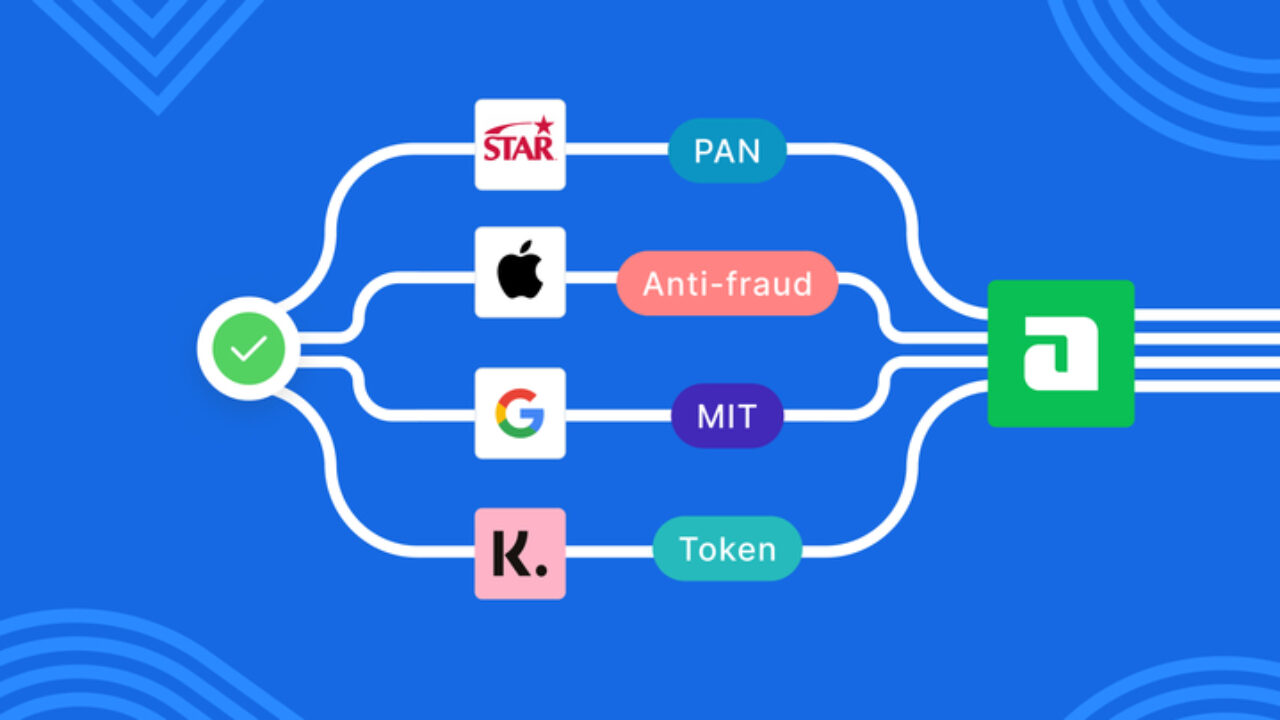
Think of a payment orchestration platform as a control center sitting between your business and every payment provider you work with. Instead of building separate integrations for each one, you connect once and manage everything from a single point.
A few things it handles automatically:
- Routing transactions to the provider most likely to approve them
- Switching to a backup processor if one goes down
- Displaying the right local payment methods based on customer location
- Consolidating data from multiple providers into one dashboard
The result is fewer failed payments, lower processing costs, and a checkout experience that actually works for customers wherever they are.
Smart Routing Is the Real Game-Changer
Not all routing works the same way. Basic platforms apply simple rules — route German cards through Provider A, everything else through Provider B. More advanced payment orchestration platforms go much deeper, factoring in real-time authorization performance, card issuer data, transaction size, and historical approval trends all at once.
When a payment fails, smart fallback logic automatically retries through a different route — without asking the customer to re-enter anything. That alone recovers a meaningful share of transactions that would otherwise be lost.
The Things That Actually Matter When Comparing Platforms
Picking the wrong platform creates problems that compound over time — unfavorable pricing, missing payment methods, slow expansion into new markets. Here’s what to actually look at.
Does It Cover the Payment Methods Your Customers Use?
Card networks are a given. What separates strong infrastructure from basic capability is support for local payment methods that customers in specific regions actually prefer.
Some examples worth knowing:
- iDEAL — dominates online payments in the Netherlands
- Bancontact — the go-to method in Belgium
- BLIK — growing fast in Poland
- PIX — transformed real-time bank payments in Brazil
A payment orchestration platform missing these methods isn’t just inconvenient — it’s a direct conversion problem in those markets. When evaluating options, map your target regions against the platform’s actual supported methods, not vague claims about “global coverage.”
Multi-Acquirer Access Matters More Than It Seems
A platform that connects to only a handful of providers gives you limited flexibility. The best payment orchestration platforms support both global processors and regional acquirers, which matters for two reasons.
First, local acquirers often produce better authorization rates for cards issued in their region. Second, being able to shift volume between providers puts businesses in a stronger negotiating position when contracts come up for renewal.
Reporting That Actually Works
Running multiple PSPs without centralized reporting creates operational chaos. A solid payment orchestration platform pulls transaction data, settlement information, soft declines, and authorization rates into one place — updated in real time.
Finance teams get clean reconciliation without manual matching. Payment operations can catch declining approval rates for a specific processor early, before the problem starts hurting revenue.
Understanding What It’s Going to Cost
Two Types of Platforms, Two Cost Models
There’s an important distinction in how payment orchestration platforms are structured:
- Pure orchestrators (like Spreedly) focus specifically on routing and connectivity. They charge per-transaction fees and offer maximum flexibility, but costs can grow quickly at high volumes.
- Merchant service providers that include orchestration as part of a broader stack tend to offer lower total cost of ownership. By consolidating acquiring, foreign exchange, and orchestration under one roof, businesses reduce the number of separate relationships and fee structures to manage.
Neither is universally better. The right choice depends on transaction volume, target markets, and how much routing customization the team actually needs.
When Is the Right Time to Make the Switch?
There are a few clear signals that adopting a payment orchestration platform has become urgent rather than optional:
- The business is expanding internationally and needs local payment methods fast
- Authorization rates are declining, with no clear way to diagnose or fix the problem
- Multiple PSPs are running in parallel, but reconciliation still happens manually
- A single provider outage caused significant checkout downtime
If payment failures are costing measurable revenue and the current setup can’t explain why, that’s the moment to act.
Features That Separate Good Platforms from Great Ones
Beyond routing and coverage, a few specific capabilities consistently distinguish stronger platforms.
Integration speed — A well-documented API with pre-built SDKs and a proper sandbox cuts implementation time significantly. Some platforms now allow routing rules to be updated through no-code configuration, which means payment teams can make changes without waiting on engineering.
Compliance built in — For businesses in European markets, PCI DSS certification, 3DS2 authentication, and PSD2/SCA support need to be native to the platform, not bolted on. Intelligent SCA exemption handling reduces checkout friction without cutting corners on security.
Reliability — Uptime SLAs, API latency under load, and the quality of available support all matter. Even brief downtime during peak periods creates real losses.
Scalability — Adding new markets, currencies, or payment methods should happen through configuration, not a full rebuild of the integration.
A Quick Word on ROI
The business case for a payment orchestration platform should account for more than the monthly platform fee. Higher authorization rates, hours recovered from manual reconciliation, and revenue unlocked through new local payment methods all factor in.
A more expensive platform that genuinely improves approval rates and eliminates manual work is almost always a better investment than the cheapest option available.
Wrapping Up
For any business processing payments across multiple markets, the right payment orchestration platform removes one of the most quietly damaging problems: preventable failures eating into revenue that was already earned.
The choice comes down to honest self-assessment — where are payments failing today, which markets need better coverage, and what does the team have the capacity to manage? Answer those questions clearly, and the right platform becomes a lot easier to identify.