


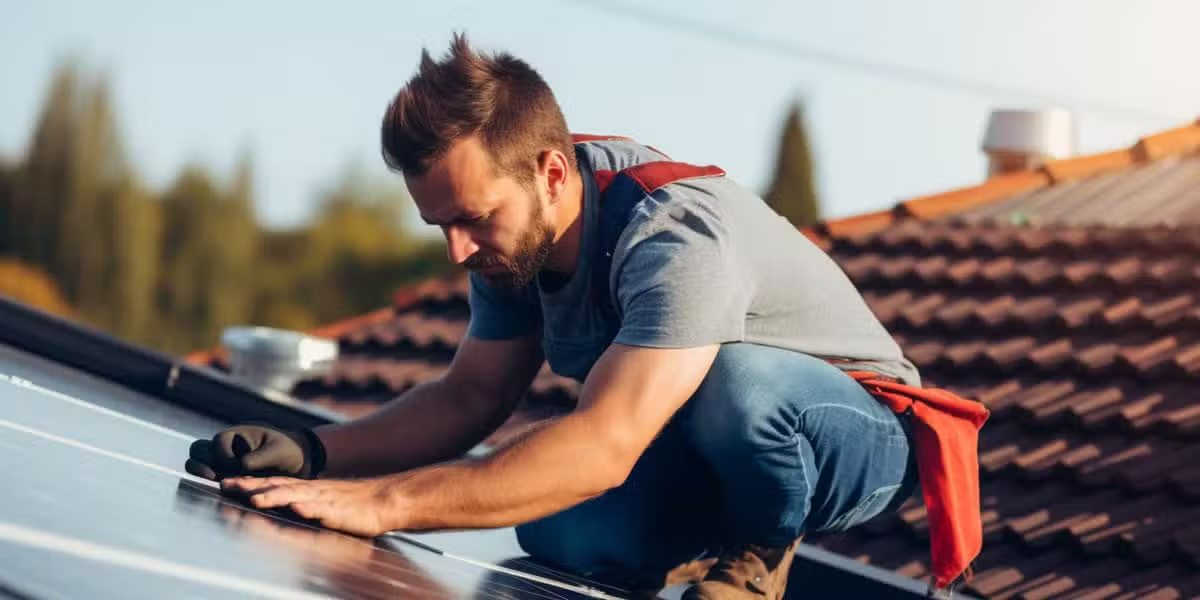
A well-maintained roof is one of the most important investments for any Northern Virginia homeowner. It protects your home from harsh weather, regulates energy efficiency, and ensures the safety of your family. However, roofs are constantly exposed to the elements, and over time, wear and tear can compromise their effectiveness. Recognizing the early signs of roof damage can save homeowners from costly repairs or full replacements.


Understanding Roof Wear and Tear
Northern Virginia experiences a wide range of weather conditions, including hot summers, humid periods, cold winters, and occasional storms. These environmental factors can accelerate roof deterioration. Sun exposure can cause shingles to crack or curl, while heavy rain and snow can lead to leaks and water damage. Wind and debris can dislodge shingles or damage flashing, which protects vulnerable areas of the roof.
Routine roof inspections and maintenance help prevent minor issues from escalating into major problems. By understanding the signs of wear and tear, homeowners can take proactive steps to preserve the integrity of their roof.
The Importance of Timely Roof Replacement
Recognizing signs of wear and tear early allows homeowners to schedule repairs before problems worsen. However, when damage is extensive or the roof has reached the end of its lifespan, a full roof replacement may be necessary. Roof replacement not only protects the home but can also increase property value, improve energy efficiency, and enhance curb appeal.
In Northern Virginia, typical asphalt shingle roofs last between 20 and 25 years, depending on material quality and maintenance. Homeowners with older roofs should consider professional evaluations to determine whether repairs or replacement are the best solution.
Common Signs of Roof Damage
1. Missing or Damaged Shingles
Shingles form the roof’s main barrier, shielding the home from rain, wind, and other weather conditions. When they are cracked, curling, or missing, the underlying structure becomes exposed to moisture, leading to leaks and rot. Northern Virginia homeowners should inspect their roofs after storms or high winds to identify shingles that may need replacement.
2. Granule Loss
As asphalt shingles age, the protective granules that shield them from UV rays can wear off. Finding granules in gutters or around the base of your home indicates that shingles are deteriorating. This can reduce the roof’s lifespan and make it more vulnerable to damage.
3. Roof Leaks and Water Stains
Discoloration or marks on ceilings and walls can be an indication of a leaking roof. Even small leaks can cause structural damage over time, leading to mold growth and weakened materials. Addressing leaks promptly can prevent extensive damage and maintain the roof’s protective function.
4. Sagging Roof Deck
A sagging roof is a serious issue that indicates weakened structural support. This can result from prolonged water damage, rotting wood, or overloaded areas due to snow accumulation. If you notice sagging sections, it’s crucial to contact a professional roofing contractor immediately.
5. Damaged Flashing
Flashing, the metal strips around chimneys, vents, and skylights, seals joints and prevents water penetration. Loose, cracked, or rusted flashing can allow water to seep into the roof, causing damage to both the roof and interior of the home. Regular inspection of flashing is essential for early detection.
Professional Roof Inspections
Hiring a professional roofing contractor for regular inspections ensures that potential problems are identified before they escalate. Experts can assess the condition of shingles, flashing, gutters, and other components, providing recommendations tailored to the specific needs of your home.
A licensed contractor also has the tools and experience to safely inspect areas that are difficult or dangerous for homeowners to access. By scheduling inspections at least once a year, particularly after severe weather, homeowners can extend the life of their roof and avoid unexpected emergencies.
Preventive Maintenance Tips
Preventive maintenance is key to minimizing roof wear and tear. Some practical steps include:
- Cleaning Gutters Regularly: Clogged gutters can cause water to back up, leading to roof leaks and structural damage.
- Trimming Overhanging Branches: Trees near the roof can drop debris and scratch or puncture shingles during storms.
- Removing Debris from the Roof: Leaves, branches, and moss retain moisture and accelerate deterioration.
- Checking Attic Ventilation: Proper ventilation reduces moisture buildup that can damage the roof deck and shingles.
- Addressing Minor Repairs Promptly: Replacing damaged shingles or repairing flashing early can prevent more significant issues.
Conclusion
For Northern Virginia homeowners, preventing roof damage requires awareness, vigilance, and timely action. By understanding the signs of wear and tear—such as missing shingles, granule loss, leaks, sagging decks, and damaged flashing—residents can protect their homes and families from costly repairs. Regular professional inspections, combined with preventive maintenance, help extend the life of the roof, maintain energy efficiency, and ensure safety. Acting early not only preserves the structural integrity of the home but also provides peace of mind knowing that your home is well-protected against the elements.









