


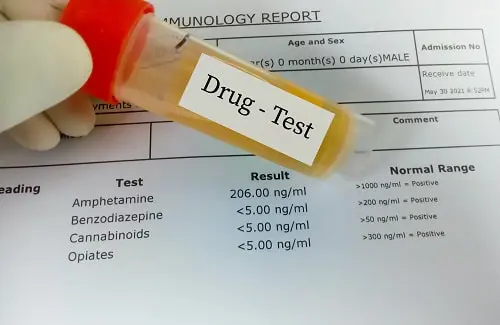
If you’re considering adding drug testing to your hiring process, you’re in good company. But before you start shopping for testing kits or updating your job ads, it’s important to pause and ask yourself one key question: what’s your real reason for doing this?


Reasons to Test
Drug testing is a smart move when there’s a real risk that impairment could put people’s safety or security at stake.
- Operating machinery
- Driving company vehicles
- Working with vulnerable populations
- Handling controlled substances in healthcare or pharmacy settings
- Jobs where being impaired could injure the employee, coworkers, customers, or the public.
Another big reason to test is federal compliance. If you have DOT-regulated positions, drug testing isn’t optional. The same goes for defense contractors, federal grant recipients, and certain safety-sensitive industries. If you’re in one of these categories, the decision is already made for you.
It used to be that blanket drug-testing policies that tested every applicant were the norm, but that’s no longer the case. If you’re thinking about testing remote customer service reps, be ready to explain your reasoning. Just wanting reliable employees isn’t enough to withstand legal scrutiny if someone challenges your policy.
Getting It Right From Day One
Setting up an employment drug testing program isn’t something to rush. It takes some careful planning.
Policy
Begin with a real, written policy, not just a quick paragraph tucked into your handbook. Spell out exactly what you’re testing for, when you’ll test, which jobs require testing, and what happens if someone gets a positive result.
- Will you test before hiring?
- After an accident?
- If you have a reasonable suspicion?
- Randomly for certain roles?
Lay it all out clearly from the start.
Before you roll out your policy, have a legal expert review it. State laws on drug testing are a patchwork, and it’s easy to get tripped up if you try to go it alone.
Provider
Next, pick a reputable testing provider. Look for accredited labs, solid chain-of-custody procedures, and Medical Review Officer (MRO) services to handle any positive results. Cutting corners here can lead to costly legal headaches down the road.
Implementation
Consistency is absolutely key. Either test every candidate for the same job, or skip testing altogether. If you pick and choose, you’re opening the door to discrimination claims faster than just about anything else in hiring.
The Cannabis Question
Weed is…tricky.
Recreational marijuana is now legal in several states, and medical use is even more widespread. But it’s still illegal at the federal level. Plus, standard drug tests can’t tell the difference between someone who used last night, someone who used three weeks ago, or someone who uses regularly.
Some states, like New York, Nevada, New Jersey, and California, now ban employment decisions based on legal, off-duty cannabis use (with some exceptions). If you’re testing for THC in these places, you’ll need clear exemptions, usually for safety-sensitive jobs or federal requirements.
Even if you’re allowed to test for marijuana, it’s worth asking: should you? You could be turning away great candidates just because they used legally on the weekend, even if it has no impact on their work. If your competitors aren’t testing, you might be losing out on talent.
Bottom Line
At the end of the day, your main goals are safety and compliance. Try not to overcomplicate things.
Define your legitimate business needs. Draft a compliant policy. Choose quality testing. Apply it consistently. Stay current on state cannabis laws.
You can do this.









