


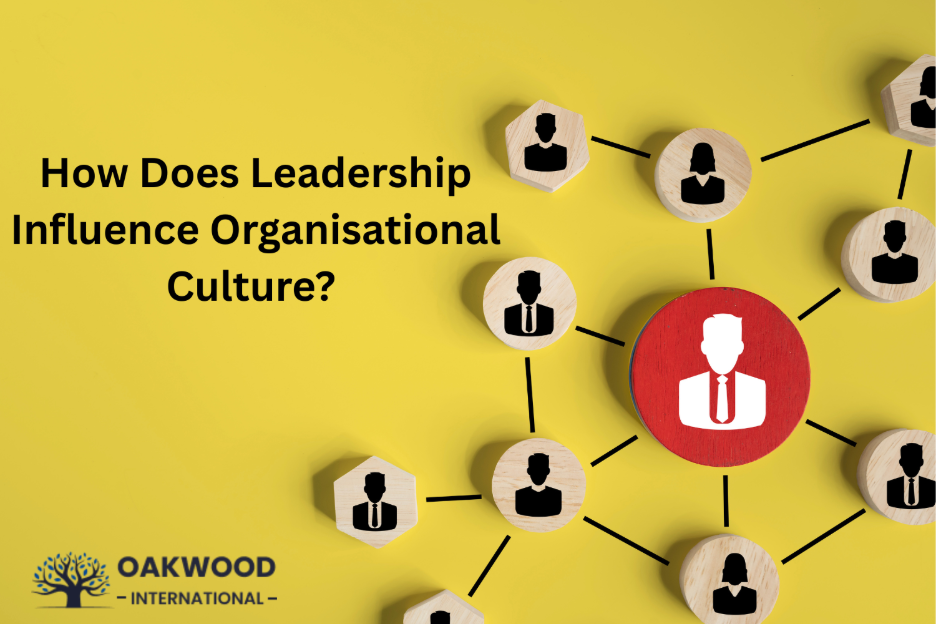
Culture is not created by posters or policies. It forms in meetings, emails, and quiet reactions. Every leader leaves a trace. Teams watch how decisions are made, how pressure is handled, and whose voices matter. Over time, those signals become normal. That is culture. Professionals stepping into CMI Level 5 roles feel this weight daily. Leadership Theories explain why behaviour shapes belief more than strategy ever can. In fast-changing environments, culture decides whether people hide, challenge, or grow.


Through this blog, let’s understand that influence is essential for organisations seeking trust, consistency, and performance.
Table of Contents
- How Leaders Define and Transform Organisational Culture
- Why Culture Determines Performance
- Conclusion
How Leaders Define and Transform Organisational Culture
Leaders shape this environment whether they intend to or not. The question is not if culture is being formed. It is what kind is being formed. These are the ways and methods on how leaders bring a sustainable transformation in their organisational culture:
Culture is Built in Everyday Moments
Leadership influence is rarely dramatic. It appears in tone, timing, and response. A leader who listens during difficulty teaches openness. A leader who avoids responsibility teaches caution. These patterns settle into routine.
People adapt to what feels safe. If honesty is welcomed, teams speak. If mistakes are punished, silence spreads. Culture becomes the sum of these daily experiences. It is lived, not written.
Under Pressure, Behaviour Becomes the Message
Stress reveals true priorities. Deadlines slip. Targets tighten. Markets shift. In these moments, teams learn what truly matters.
- Leadership Under Pressure: Behaviour Shapes Belief: When leaders remain calm, explain context, and involve others, confidence grows. When they deflect, blame, or retreat, fear takes hold. People mirror what they see. Belief forms through observation, not instruction.
- Turning Uncertainty into Strategic Discipline: Strong leaders treat uncertainty as information, not a threat. They ask better questions, test assumptions, and communicate openly. This turns risk into structure. Teams align around reality. Culture shifts from reaction to intention.
- The Organisational Payoff of Clarity: Clear leadership reduces friction. Decisions accelerate. Trust deepens. People understand expectations and act with ownership. Culture becomes an asset rather than an obstacle. These responses define whether an organisation contracts or evolves.
From Influence on Intentional Design
Culture should never be accidental. Effective leaders design it deliberately.
They do this by:
- Translating values into visible behaviour
- Acting consistently with stated priorities
- Encouraging challenge without consequence
- Aligning performance measures with cultural goals
Treating mistakes as learning, not failure
These actions replace ambiguity with direction. People know what is expected and why it matters. Culture becomes something teams can see, feel, and rely upon.
CMI Level 5 develops this capability. It strengthens judgment, influence, and ethical awareness. Leaders learn to observe patterns, challenge norms, and build alignment across functions.
Culture stops being abstract. It becomes manageable.
Why Culture Determines Performance
Culture decides whether people bring ideas forward or keep them to themselves, whether teams move with purpose or wait for instruction. When leadership shapes culture with clarity and trust, performance follows naturally because people feel safe to think, act, and improve. A strong culture is not decorative. It is operational. Organisations with a healthy culture experience:
- Faster decision-making
- Higher engagement
- Lower turnover
- Greater resilience during disruption
- Stronger external credibility
People trust leadership. They act with confidence. Energy flows toward progress rather than protection. Weak culture drains momentum. Change feels exhausting. Talent leaves quietly. Strategy struggles to land, and even the best plans fade before taking shape. Meetings become cautious, decisions slow, and innovation stalls. People stop offering ideas because effort feels pointless. Over time, survival replaces ambition, and organisations begin managing decline instead of building the future.
Conclusion
Culture turns ambition into action. Leadership shapes mindset and behaviour. It decides whether teams feel safe and confident. CMI Level 5 builds purposeful judgement. Leadership Theories show people follow actions. Clear leaders create clear teams. Oakwood International provides organisations with the leadership capability to replace hesitation with clarity and direction. Through purposeful development, it enables teams to build trust, resilience, and momentum, empowering them to move forward with confidence.









