


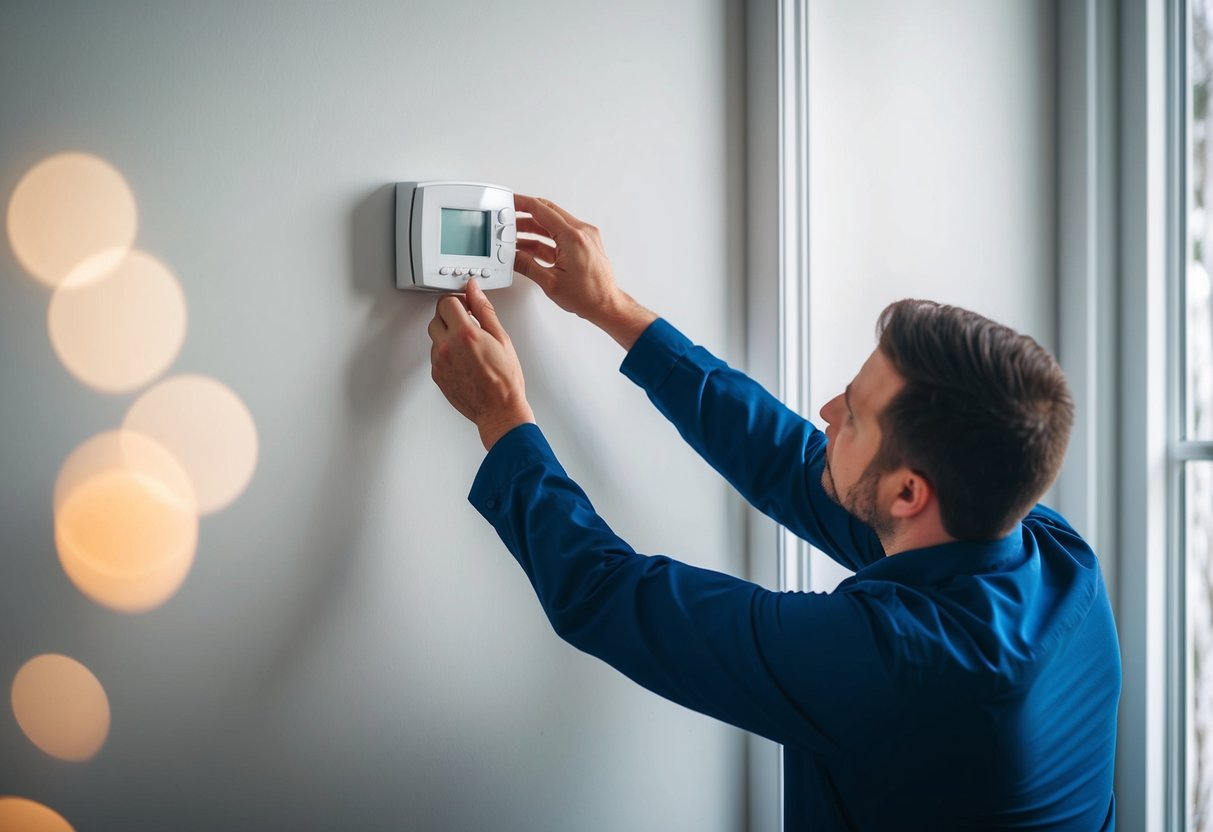
Thermostat placement affects heating and cooling performance because it is the control point that determines when equipment starts, stops, and how long it runs. If it senses temperature in a spot that is not part of the main living areas, the system will respond to a distorted signal. That can create rooms that feel uneven, cycles that are too short or too long, and humidity that never settles in summer. Placement can also influence energy use, because the system may run longer to keep a warm corner warm or shut off early due to a cool draft. Many comfort complaints that appear to be equipment problems are actually measurement issues caused by location. Understanding how placement affects readings helps explain why a well-sized system can still feel inconsistent.


Where the thermostat reads matters
- Microclimates That Trick the Sensor
Homes are full of microclimates where temperatures differ from the average temperature of the space. A thermostat placed in direct sunlight may read higher than the room temperature and call for cooling longer than needed, which can overcool other areas. If it sits near a supply register, the cold supply stream can satisfy the thermostat quickly while bedrooms and distant rooms remain warm. Hallways can be misleading because they often receive less sunlight, have fewer heat sources, and have different airflow patterns than living rooms, which can lead the thermostat to think the home is comfortable when other zones are not. Kitchens, laundry areas, and rooms with electronics add heat that can push readings higher and cause unnecessary runtime. Exterior walls can also distort readings because the wall cavity may be warmer in summer and cooler in winter than indoor air, leading the thermostat to chase the wall temperature rather than the room temperature. Drafts from doors, stairwells, or return grilles can cause rapid swings, triggering frequent cycling. These microclimates make the thermostat behave like a nervous switch, turning the system on and off in ways that reduce comfort consistency and increase wear on components.
- How Placement Changes Cycle Length and Moisture Control
Cycle length is one of the most significant performance outcomes affected by thermostat location. When the thermostat is in a cooler pocket, it reaches the setpoint quickly and shuts the system off early, resulting in short cycles. Short cycles reduce moisture removal in cooling mode because the indoor coil needs time to stay cold and condense water steadily. The home may reach the thermostat’s target temperature yet still feel sticky, and occupants often lower the setting to compensate, which increases energy use. If the thermostat is in a warmer pocket, the system runs longer, which can help control humidity, but it may also overcool other rooms and lead to complaints about cold spots. In heating mode, poor placement can lead to overheating near the thermostat while distant rooms lag, prompting frequent adjustments that chase comfort rather than stabilizing it. During service conversations, contractors such as Davis Air Conditioning & Heating, Inc. of Angleton often note that thermostat relocation can change cycle behavior more than people expect, because the equipment responds only to the sensor location, not to what each room feels. Placement that reflects the true average occupied conditions supports steadier cycles, quieter operation, and more stable humidity.
- Choosing a Location That Represents Real Comfort
A useful thermostat location samples stable indoor air that mirrors how people actually live in the home. An interior wall is usually preferred because it avoids heat transfer from the outdoors. The thermostat should be kept away from direct sunlight, supply registers, and appliances that add heat. It should also be placed where air can circulate freely around it, not hidden behind doors, curtains, or large pieces of furniture that block airflow. Height matters because hot air rises, so a thermostat set too high can read as warmer than the area where people sit, especially during heating season. Proximity to returns also matters. A strong return stream can create a mixed air zone that changes quickly when doors open and close, which can cause the thermostat to respond to short-term swings rather than the overall room temperature. Some homes benefit from remote sensors or averaging strategies, but those still require thoughtful placement to avoid reading extremes. The goal is to reduce false satisfaction and false demand so the system runs based on the conditions that most rooms experience most of the time.
Simple Fixes That Improve Control
Thermostat placement changes heating and cooling performance by shaping the temperature signal that controls cycle timing, runtime, and comfort stability. Microclimates from sun, drafts, supply air, kitchens, and exterior walls can mislead the thermostat, leading to uneven rooms, inefficient cycling, and humidity issues during the cooling season. Proper placement on an interior wall with stable air movement helps the system run in smoother cycles that better match actual living conditions. When comfort complaints persist after equipment updates, adjusting the thermostat location is often a practical step that can improve results without changing the heating and cooling equipment.









