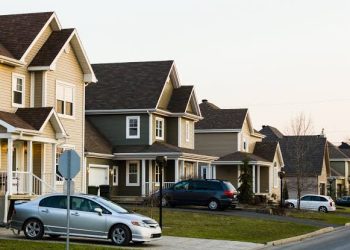
Your home’s roof is its first line of defense against the elements — from rain, snow, wind, and hail to intense heat and UV rays. Residential roofing is a crucial component that not only protects your family and belongings but also adds to your property’s curb appeal and value. Understanding the different types of residential roofing, maintenance tips, and when to call professionals will help you keep your home safe and looking great for years to come.

This in-depth guide covers everything you need to know about residential roofing—from materials and installation to repair, maintenance, and choosing the right contractor.
What Is Residential Roofing?
Residential roofing refers to the roofing systems installed on houses and residential buildings. Unlike commercial roofing, which may involve flat roofs and specialized materials, residential roofs typically feature sloped designs with materials suited to home aesthetics, climate, and durability needs.
The roofing system includes:
- The roof deck (usually plywood or OSB)
- Underlayment (waterproofing layer)
- Roofing material (shingles, tiles, metal panels, etc.)
- Flashing (metal strips to seal joints)
- Gutters and downspouts (for drainage)
Common Types of Residential Roofing Materials
Choosing the right roofing material is essential for longevity, performance, and appearance. Here are some popular options:
1. Asphalt Shingles
Asphalt shingles are the most widely used residential roofing material in the US due to their affordability, ease of installation, and variety of colors and styles. They typically last 20-30 years.
2. Metal Roofing
Metal roofs have gained popularity for their durability, fire resistance, and energy efficiency. They come in panels or shingles and can last 40-70 years.
3. Wood Shingles and Shakes
Wood roofs provide a natural, rustic look and are often made from cedar or redwood. They require maintenance and are susceptible to fire unless treated.
4. Clay and Concrete Tiles
Common in warmer climates, tile roofs are durable and fire-resistant. They offer a distinctive look but require reinforced roof framing due to their weight.
5. Slate Roofing
Slate is a natural stone material prized for its beauty and extreme durability, often lasting over 100 years. It’s one of the most expensive residential roofing options.
Signs Your Residential Roof Needs Repair or Replacement
Knowing when your roof needs attention can save you from costly damage:
- Missing, cracked, or curling shingles
- Granules from shingles accumulating in gutters
- Water stains or leaks inside the home
- Sagging roof deck or structural damage
- Increased heating or cooling costs due to poor insulation
- Roof age exceeding expected lifespan (usually 20-25 years for asphalt shingles)
The Residential Roofing Installation Process
Installing a new residential roof involves multiple steps to ensure durability and weather resistance:
1. Inspection and Assessment
Contractors inspect your current roof, deck condition, and structural integrity.
2. Removal of Old Roofing
If replacing an existing roof, the old material is removed and disposed of properly.
3. Repairing the Roof Deck
Any damaged wood or structural elements are repaired or replaced.
4. Installing Underlayment
A waterproof barrier is laid over the roof deck to protect against moisture.
5. Applying Roofing Material
Shingles, tiles, metal panels, or other materials are installed according to manufacturer specifications.
6. Installing Flashing and Ventilation
Flashing is placed around chimneys, vents, and valleys to prevent leaks. Proper ventilation systems are installed to maintain airflow.
7. Cleanup and Final Inspection
The site is cleaned of debris, nails, and leftover materials. The contractor inspects the roof for quality assurance.
Benefits of Professional Residential Roofing Contractors
While some homeowners consider DIY roofing, hiring professional roofing contractors has significant advantages:
- Expertise: Proper installation techniques prevent leaks and premature failure.
- Safety: Roof work can be dangerous; professionals use safety equipment and training.
- Warranty: Professionals provide manufacturer and workmanship warranties.
- Compliance: Licensed contractors ensure work meets building codes and permits.
- Efficiency: Experienced crews complete the job faster and with fewer errors.
Maintenance Tips for Residential Roofs
Regular maintenance can extend the life of your roof and prevent expensive repairs:
- Inspect your roof twice a year and after major storms.
- Clean gutters and downspouts to ensure proper drainage.
- Remove debris like leaves, branches, and moss.
- Trim overhanging tree limbs to prevent damage.
- Check attic ventilation and insulation to avoid moisture buildup.
- Address leaks and damaged shingles promptly.
How to Choose the Right Residential Roofing Contractor
Selecting a trustworthy roofing contractor is crucial for a successful roofing project. Consider these tips:
- Verify licenses, insurance, and certifications.
- Request multiple quotes with detailed estimates.
- Check online reviews and ask for references.
- Confirm the contractor offers warranties on materials and labor.
- Ensure clear communication and written contracts.
Residential Roofing and Energy Efficiency
Modern roofing options can improve your home’s energy efficiency:
- Light-colored or reflective roofing materials reduce heat absorption.
- Metal roofs with reflective coatings lower cooling costs.
- Proper attic insulation and ventilation prevent heat loss and moisture issues.
- Green roofing options, like cool roofs or solar panels, offer sustainability benefits.
Common Challenges in Residential Roofing
- Weather Delays: Rain, snow, or extreme heat can postpone roofing work.
- Unexpected Repairs: Hidden damage to the roof deck or structure can increase costs.
- Material Shortages: Supply chain issues may delay materials availability.
- Permitting: Navigating local building codes and permits can be complex.
- Budget Management: Unexpected expenses may arise, so plan a contingency.
Conclusion
Residential Roofing in Montclair, NJ is a critical investment in your home’s safety, comfort, and value. Understanding the types of roofing materials, the installation process, signs of damage, and maintenance best practices empowers homeowners to make informed decisions. Partnering with qualified roofing contractors ensures professional workmanship and peace of mind.
Taking good care of your residential roof today will protect your home for decades to come. Whether you need a simple repair or a full roof replacement, always prioritize quality, safety, and reliability.