


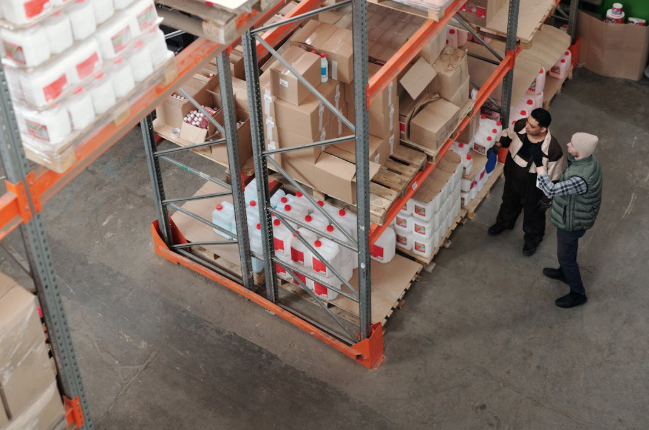
Shipping should feel like the final easy step, but for many ecommerce sellers, it turns into the most stressful part of the day. Orders stack up, someone can’t find the right box size, labels print sideways, and suddenly you’re rushing just to meet a pickup deadline. The worst part is that most shipping issues aren’t caused by one big problem. They come from small breakdowns that happen over and over again. A few minutes lost here, a missed item there, and your whole workflow slows down. The good news is you don’t need a huge budget or a bigger team to fix it. Small changes to your space, your routine, and your packing habits can make shipping faster, cleaner, and far less frustrating.


Keep essentials within reach
Every time you stop packing to hunt down tape or a box cutter, your momentum drops. The fix is simple: keep your most-used items close enough to grab without stepping away. Tape, scissors, box cutters, labels, and your marker should live in one spot that never changes. Your most common box sizes or mailers should sit beside or under your table, not across the room. If you ship small items, keep a small tray for things like thank-you cards, stickers, and inserts so they don’t scatter. If you also price products in-house before they go on shelves or into storage, keep your label gun in the same area so you can mark items quickly without interrupting your workflow. This setup saves seconds on every order, but those seconds add up fast. It also keeps you calmer because you don’t feel like you’re chasing supplies all day.
Use one clear packing routine
A messy routine creates confusion, especially when you pack while answering messages or handling returns. A clear routine keeps you focused and helps you avoid missed steps. Try to follow the same order every time: check the order, pick the item, pack it, confirm it, then label it. Don’t print the label first and let the package sit around half-finished. That’s how mix-ups happen. Keep the packing slip with the order from start to finish so you never wonder what belongs where. If you have a helper, this matters even more. When everyone follows the same routine, you reduce questions, reduce mistakes, and keep orders moving without constant supervision.
Batch tasks to stay faster
Shipping feels slower when you bounce between tasks all day. You print one label, then you pick one item, then you answer a question, then you pack one box. This constant switching breaks your focus and increases errors. Batching keeps things cleaner. Set aside a block of time to pick items for several orders at once. Then pack those orders in one stretch without stopping. After that, print and apply labels in a single batch. This approach works best when you have even a small number of daily orders. You don’t need to batch a hundred at a time. Even doing five to ten together will make your workflow feel smoother. You’ll also notice problems earlier, like missing stock or wrong variants.
Add a simple final check
Packing mistakes usually happen when you’re in a rush and your brain assumes everything is correct. A quick final check prevents the most common issues without slowing you down. Before you tape the box closed, confirm three things: the correct item, the correct quantity, and the correct variation like size, color, or pack count. If you sell similar products, look at the SKU or product name one more time. Then seal it and move on. This takes only a few seconds, but it can save you expensive reships and unhappy customer emails. It also protects your time, because fixing an avoidable mistake always takes longer than doing a quick check upfront.
Don’t let returns ruin your workflow
Returns can quietly mess up your shipping day because they create clutter and constant distractions. The fix is to separate return handling from outgoing orders. Set up a small return area with a bin for items to inspect, a bin for items that can be restocked, and a bin for damaged or incomplete returns. When you receive a return, check it quickly and decide where it belongs. Don’t leave it sitting on your packing table “for later.” That piles up fast and steals space from active orders. If you resell returned items, update your inventory as soon as you restock them so you don’t oversell. A clean return process protects your shipping speed and keeps your work area under control.
A smoother shipping process doesn’t come from working faster in a rush. It comes from removing the small problems that slow you down every single day. When your packing area stays reset, your supplies stay stocked, and your routine stays consistent, you make fewer mistakes without even trying. Batching tasks and adding a quick final check helps you protect your time and avoid preventable customer issues. Clear inventory locations speed up picking, and a separate return system keeps clutter from taking over your workspace. Most importantly, planning around pickup deadlines helps you ship on time without stress. You don’t need to change everything at once. Pick two upgrades, try them for a week, and build from there. Small improvements stack up quickly, and your shipping days will feel easier and more controlled.









