


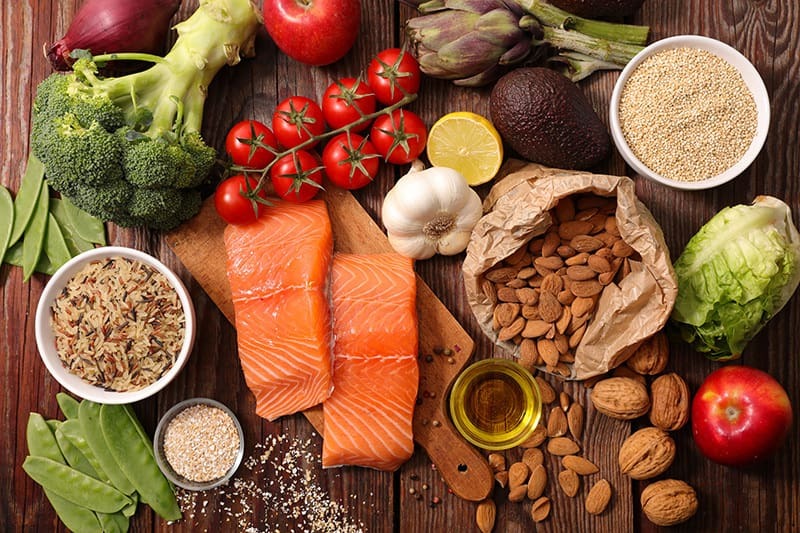
The food we eat on a daily basis contains essential but frequently unseen enzymes. Enzymes are responsible for many of the biological and chemical processes that affect food quality, flavor, texture, and nutritional content, from bread rising in the oven to fruit ripening on the shelf. Enzymes are vital instruments in contemporary food processing that contribute to increased sustainability, consistency, and efficiency.


Also Read: Standardized Botanical Extracts
What Are Enzymes?
Proteins make up the majority of enzymes, which are naturally occurring biological catalysts that accelerate chemical reactions without being consumed. Since each enzyme acts on a certain material (substrate) and fulfills a specific function, they are all very specific. Because enzymes act under mild circumstances of temperature and pH, they are especially ideal for food applications.
Also Read: Supercritical Fluid (SCF) Extracts
Natural Role of Enzymes in Foods
Many raw foods naturally contain enzymes, which are crucial to their development, maturation, and spoiling.
- Fruit ripening: Starches and cell walls are broken down by enzymes including amylases and pectinases, which soften and sweeten fruits.
- Browning reactions: Cut fruits and vegetables turn brown due to enzymes like polyphenol oxidase.
- Digestion and fermentation: During fermentation, microbes’ enzymes aid in the conversion of carbohydrates into acids, alcohol, and gases.
Enzymes in Food Processing
Certain enzymes are used in the food business to regulate and improve processing stages, guaranteeing higher-quality products and shorter processing times.
1. The Baking Sector
Amylases, proteases, and xylanases are examples of enzymes that enhance dough handling, loaf volume, crumb softness, and shelf life. They contribute to improved texture and flavor by breaking down proteins and carbohydrates into smaller molecules that yeast can readily digest.
2. Dairy Products
Enzymes are fundamental in dairy processing:
- Rennet (protease) is used in cheese-making to coagulate milk proteins.
- Lactase breaks down lactose into glucose and galactose, producing lactose-free milk and dairy products.
- Lipases enhance flavor development in certain cheeses.
3. Production of Beverages and Brewing
Enzymes transform grain starches into fermentable sugars during the brewing process. Enzymes such as pectinases enhance the yield, clarity, and filtration efficiency of fruit juice during processing.
4. Processing of Meat and Seafood
Papain and bromelain are examples of proteolytic enzymes that are used to tenderize meat. They improve tenderness and shorten cooking times by breaking down muscle proteins.
5. Production of Sugar and Sweeteners
Invertase and glucose isomerase are two enzymes that aid in the production of syrups such invert sugar and high-fructose corn syrup, which are frequently used in drinks and confections.
Benefits of Using Enzymes in Food
The use of enzymes offers multiple advantages to food manufacturers:
- Improved product quality: Better taste, texture, and appearance
- Enhanced nutritional value: Preservation of sensitive nutrients due to mild processing conditions
- Higher processing efficiency: Faster reactions and higher yields
- Cost-effectiveness: Reduced energy and water consumption
- Clean-label solutions: Enzymes support the reduction of chemical additives
Sustainability and Enzymes
The production of sustainable food is greatly aided by enzymes. Enzymes assist food producers in meeting environmental targets while preserving product quality by cutting waste, lowering energy needs, and boosting raw material usage.
Regulation and Safety
Before being approved, regulatory bodies thoroughly assess the safety of food enzymes. They are safe to eat because they are usually used in very small concentrations and are frequently rendered inactive during processing or cooking.
The Future of Food Enzymes
Enzyme uses are becoming more and more possible because to developments in fermentation and biotechnology. Future advancements will concentrate on cleaner, more sustainable processing techniques, plant-based diets, and more focused enzyme solutions.
Conclusion
In both conventional and contemporary food systems, enzymes are essential. Enzymes subtly influence the foods we eat on a daily basis, whether it is through boosting cheese flavor, improving bread texture, or promoting sustainable processing. Enzymes will continue to be crucial to the global food business as the need for effective, environmentally sustainable, and high-quality food production increases.












