When temperatures drop into single digits, your heating system doesn’t get a break. It runs longer cycles, works harder to maintain indoor comfort, and carries the full load of keeping your home safe from freezing conditions. That level of demand can expose small issues quickly.


If your heater stops working during a cold wave, it’s rarely random. Extreme weather often triggers safety shutoffs, airflow issues, or component strain that may not appear on milder days. Before assuming the system has failed completely, it helps to understand what cold stress does to heating equipment and what steps you should take first.
What Extreme Cold Actually Does to Your Heater
On a normal winter day, your system cycles. It turns on, reaches temperature, shuts off, and rests. During a cold snap, it may barely shut off at all. Continuous demand requires permanent operational capacity, which puts pressure on specific operational areas.
• Airflow restrictions: The system experiences airflow restrictions because a clogged filter blocks proper movement of air. The system now faces overheating difficulties because its airflow rate has decreased.
• Frozen exhaust vents: High-efficiency systems vent outdoors. The exhaust system experiences condensation, which freezes at temperatures below zero. The system will shut down automatically when ice blocks the exhaust pipe.
• Blower motor strain: The blower needs to operate continuously because the system automatically shuts down when internal components reach temperatures that exceed safe limits, which would damage the equipment.
• Ignition issues: Cold weather conditions cause ignition problems because they interfere with both ignition sensors and other parts of older systems. The furnace will not generate heat because of its inability to start the ignition process.
What to Check Before Calling for Service
Before scheduling an appointment, take a few practical steps. Some fixes are surprisingly simple.
1. Look at the Thermostat
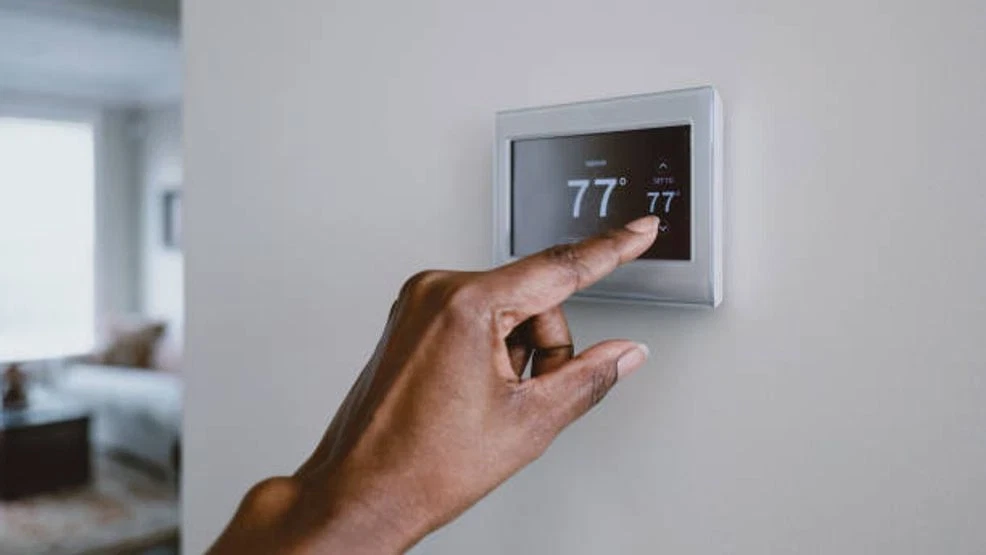
The system requires you to check that it operates in heating mode while the temperature setting exceeds the current room temperature. If the screen looks dim or blank, replace the batteries. It sounds basic, but this solves more problems than you’d think.
2. Inspect the Air Filter
Pull it out. If it looks gray, dusty, or clogged, replace it. During heavy winter use, filters can clog faster than expected. Restricted airflow is one of the most common causes of shutdown.
3. Check the Breaker Panel
Heating systems draw significant power. A tripped breaker can shut everything off instantly. Reset it once if needed. If it trips again, stop and call a technician.
4. Examine Exterior Vents
If you have a high-efficiency furnace repair in Bondurant, go outside and check the intake and exhaust pipes. Clear away snow buildup and visible ice carefully. Even partial blockage can trigger a shutdown.
5. Restart the System
Turn the system off for a few minutes, then turn it back on. If it fires up and runs normally, monitor it. If it shuts down again quickly, that’s a sign that something deeper is happening.
Why This Is More Common in Older Homes
• Aging ductwork
• Minimal insulation compared to modern standards
• Drafty windows
• Older furnace systems
When outdoor temperatures drop sharply, heat escapes faster. That forces the system to compensate continuously. If the furnace is already ten to fifteen years old, cold waves can push it beyond its comfort zone. That’s when homeowners begin searching for heating repair in Des Moines because the system simply cannot keep up with demand. Extreme weather exposes weaknesses that might stay hidden during milder days.
Warning Signs You Shouldn’t Ignore
• The system turns on, but blows cold air
• Loud banging, grinding, or rattling noises
• A burning smell that lingers
• Repeated short cycling
• Indoor temperatures are steadily dropping
When a heater keeps shutting down during freezing conditions, delaying service can lead to larger issues. Components forced to restart repeatedly experience more wear. In some cases, the repair is minor, such as sensor replacement or motor adjustment.
How to Prepare for the Next Cold Snap
• Schedule maintenance before peak winter: Professional inspections identify worn parts early.
• Change filters consistently: Mark it on your calendar. During heavy use, every 30 to 60 days is reasonable.
• Seal air leaks: Weatherstripping doors and sealing window gaps reduces strain on the system. The system has to work harder because furniture blocks return vents.
Keep vents unobstructed: Furniture blocking return vents forces the system to work harder.
• Upgrade your thermostat if needed: Programmable thermostats help maintain steady temperatures without extreme swings.
The Bottom Line!
When your heater stops during a cold wave, the situation feels urgent, and it is. But it’s rarely random.
Extreme cold increases demand, increased demand exposes weak components, and safety systems shut the unit down to prevent serious damage. Start with the basics, such as the thermostat, filter, breaker, and exterior vents. If the problem continues, professional service is the safest and smartest step.
Heating systems in Iowa are built to handle winter. The system requires maintenance together with immediate care for situations that arise during extreme temperature conditions.