The retail world is changing faster than ever, and personal shopping services are leading the way in redefining how we interact with brands and products. With the rapid integration of technology, shopping is no longer just about walking through store aisles. Now, powerful personal shopping services are providing consumers with tailored experiences, offering enhancements that are both intuitive and effective. Modern shoppers expect their journeys to be frictionless, personalized, and responsive to their individual preferences.


The rise of digital solutions is creating opportunities and challenges for retailers and consumers alike. Innovative tools driven by artificial intelligence, mobile dominance, and community-driven shopping platforms are shaping the future of retail. As new technologies become mainstream, these advancements are quickly influencing everything from product discovery to checkout. These trends underscore the need for retailers to blend digital convenience with a personal touch, ensuring customers receive the best of both technology and human connection.
AI-Powered Personal Shoppers
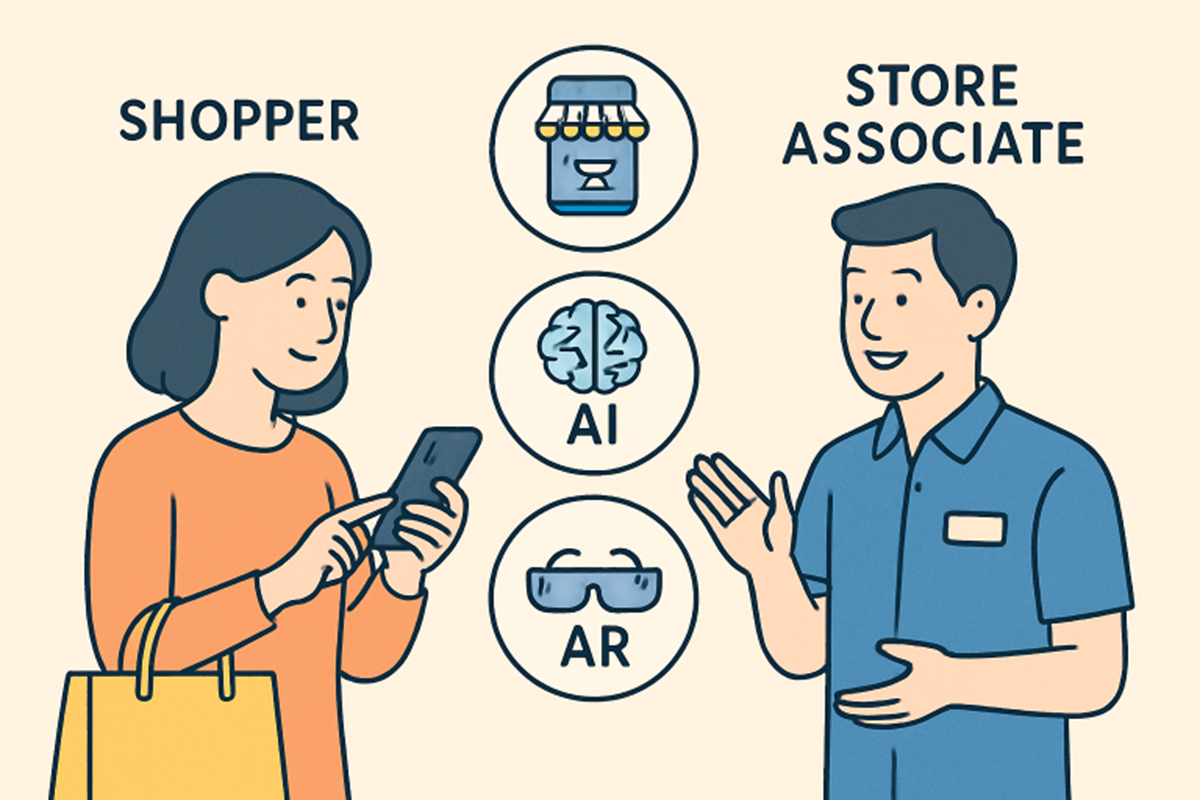
Artificial intelligence is transforming the way consumers shop by making highly targeted recommendations and automating product selection. AI agents can analyze shopping habits, anticipate needs, and suggest relevant products even before a customer initiates a search. For example, platforms that use Google’s Universal Commerce Protocol ensure seamless interaction between digital assistants and retail ecosystems, enabling fluid transitions from browsing to checkout. Automation saves consumers time and reduces decision fatigue, setting new standards for convenience and satisfaction. More details on agentic commerce trends can be found at The Wall Street Journal.
Augmented Reality: Enhancing the Shopping Experience
Augmented reality is narrowing the gap between online and physical shopping. With tools like AR Try-On, shoppers can see how apparel, shoes, or accessories will look on them or in their environment before committing to a purchase. This not only raises shopper confidence but also reduces return rates, which is a high cost for retailers. According to Forbes, retailers who implement AR see increased engagement and higher conversion rates because the customer experience feels more authentic and useful.
Agentic Commerce and Unified Shopping
The concept of agentic commerce is all about AI agents independently navigating every aspect of the shopping experience. For agentic commerce to function effectively, retailers need unified systems that integrate inventory, customer preferences, and transaction history. When brands achieve unified commerce, they allow both AI and human shoppers to enjoy a frictionless experience across every digital or physical touchpoint. This integration drives efficiency, reduces errors, such as out-of-stock notifications, and supports long-term customer loyalty. You can read more about the adoption of unified commerce at Retail Dive.
The Resurgence of Physical Retail
Even as virtual and digital channels proliferate, physical retail locations are experiencing a notable comeback. Consumers increasingly value the tactile aspects of shopping, such as examining products in person and receiving face-to-face service. Retailers now use digital tools to enhance the in-store experience, creating seamless integrations such as online ordering with store pickup. This hybrid approach offers shoppers the immediacy and personal touch of brick-and-mortar locations combined with the efficiency of digital. Recent studies show that even tech-savvy shoppers appreciate the familiarity and trust that a well-designed physical store provides.
Mobile Shopping Dominance
Mobile devices have become the primary way consumers interact with online retail platforms. A growing majority of e-commerce transactions now occur via smartphones and tablets because they offer speed and convenience on the go. However, even as mobile shopping dominates, there are still pain points around app usability, checkout friction, and inconsistent user interfaces. Retailers who prioritize optimizing their mobile experiences can expect higher conversion rates and improved customer satisfaction. Continued investment is necessary to keep pace with evolving user expectations and to meet demand for seamless, quick, and intuitive mobile navigation.
The Rise of Exclusive Online Shopping Communities
Another trend shaping the future is the emergence of exclusive online shopping communities. These invite-only groups often center around influencers, stylists, or celebrities who personally curate and sell designer products to select audiences. The sense of intimacy and exclusivity appeals to shoppers seeking more meaningful experiences and limited-edition products, departing from traditional retail’s mass-market approach. Such communities foster a strong sense of loyalty and bring together people with similar tastes, making digital shopping feel more personal and connected.
Conclusion
The direction of personal shopping services points toward a dynamic blend of technological innovation and human-centric experiences. As artificial intelligence, augmented reality, unified commerce, and intimate online communities continue to evolve, retailers have new ways to connect with consumers and provide value beyond mere transactions. The most successful brands will be those that balance digital efficiency with the unique advantages of in-person service, ensuring customers always feel understood, respected, and empowered in the ever-changing retail environment.