


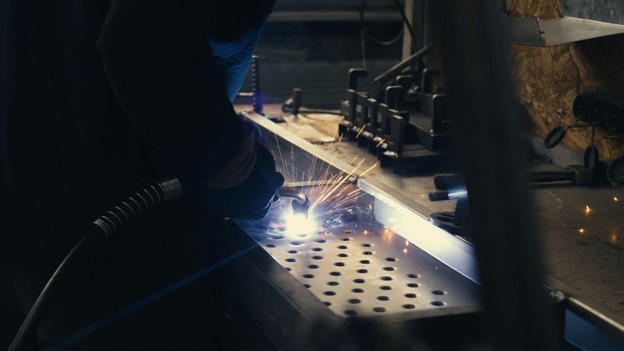
In industrial manufacturing, consistent weld quality can be the difference between a strong, dependable product and one that fails under stress. But even with the best welding equipment and skilled operators, results can vary significantly if the workpiece isn’t properly supported. That’s why welding fixtures play such a crucial role in shaping accuracy, repeatability, and workflow efficiency across industries.


As factories grow more automated and product tolerances become tighter, the right fixtures for welding are essential. They ensure components remain aligned, stable, and accessible throughout the welding process. Whether you’re managing high-volume production or building custom assemblies, understanding which fixtures are most effective can help you reduce rework, minimize distortion, and improve overall weld quality. This guide explores the top fixture types used in industrial manufacturing and how they support modern welding operations.
Why Welding Fixtures Matter in Manufacturing
Industrial environments face several challenges that make welding fixtures indispensable:
- Inconsistent alignment during manual or robotic welding
- Heat distortion when working with thin or sensitive materials
- Slow cycle times caused by frequent repositioning of parts
Fixtures eliminate these variables by securing components exactly where they need to be, ensuring every weld path is repeatable and accurate.
Dedicated Welding Fixtures
Dedicated fixtures are custom-built for specific assemblies or products. They are commonly used in high-volume manufacturing operations where the same part is produced thousands of times.
Best Uses
- Automotive components
- Aerospace brackets
- Repetitive assemblies
- Structural frames
Advantages
- Extremely high precision
- Fast loading and unloading
- Reduced operator error
- Long-term durability
Considerations
- Higher initial cost
- Not suited for high-mix, low-volume environments
If your production relies heavily on repeatability, dedicated fixtures provide unmatched accuracy.
Modular Welding Fixtures
Modular fixtures are among the most popular solutions for fabrication shops and industrial production lines that work with various part shapes and sizes.
Features
- Built from standardized plates, clamps, blocks, and rails
- Easily reconfigured for different projects
- Cost-effective for mixed production
Ideal Applications
- Prototyping
- Small-to-medium batch runs
- Multi-shift production lines
- Workshops with frequently changing layouts
Pros
- High flexibility
- Lower cost than dedicated fixtures
- Quick adjustments
For manufacturers who embrace agility, modular systems offer the perfect blend of versatility and precision.
Adjustable Welding Fixtures
Adjustable fixtures allow users to change angles, spacing, and support positions. These are especially useful for general-purpose fabrication or shops handling unique one-off parts.
Benefits
- Enhanced adaptability
- Perfect for custom weldments
- Helps stabilize irregular or curved surfaces
Industries That Benefit
- Custom metal fabrication
- Artistic metalworking
- Low-volume specialty production
Adjustable fixtures make it easier to achieve accurate welds even when parts don’t fit standard geometries.
Magnetic Welding Fixtures
Magnetic fixtures are a go-to option for fast setups, especially when handling ferrous metals.
Where They Shine
- Tack welding
- Fitting square or angled joints
- Positioning lightweight materials
Pros
- Extremely quick setup
- Easy repositioning
- Helps maintain 90°, 45°, and angled joints
Limitations
- Not suitable for high-heat processes
- Not compatible with non-ferrous metals
Magnetic fixtures are excellent for speed and convenience, though they aren’t meant for heavy-duty structural work.
Robotic and Cobot Welding Fixtures
In automated welding, fixturing becomes even more critical. Robots rely on consistent part placement to follow programmed weld paths.
Requirements for Robotic Fixtures
- High rigidity to reduce vibration
- Precision datum points
- Sensors for part detection
- Secure clamping that withstands repetitive cycles
Industries That Depend on These Fixtures
- Automotive
- Aerospace
- Heavy manufacturing
- Consumer electronics
These fixtures are engineered to support the repeatability and accuracy required in automated welding systems.
3D Welding Tables
3D welding tables are staples in professional fabrication environments. Their perforated surfaces allow clamps, stops, and angles to be positioned anywhere on the grid.
Advantages
- Incredible flexibility
- Perfect for varying part sizes
- Support for complex assemblies
- Ideal for both TIG and MIG processes
These tables help welders achieve consistent results while maintaining access to all sides of the workpiece.
Heat-Resistant Copper Fixtures
Copper-backed fixtures are valuable when welding thin sheet metal or heat-sensitive components.
Why Use Copper Fixtures
- Copper absorbs and spreads heat quickly
- Prevents burn-through
- Reduces warping
- Improves weld appearance
Ideal Applications
- Laser welding setups
- TIG welding thin metals
- Precision assemblies
Copper fixtures are often used in electronics manufacturing, aerospace parts, and thin-gauge stainless steel fabrication.
Pneumatic and Hydraulic Clamping Fixtures
For high-volume manufacturing lines, pneumatic and hydraulic clamping fixtures dramatically improve cycle times.
Benefits
- Fast clamping and unclamping
- Consistent pressure
- Perfect for automated workflows
Best For
- Robotic welding stations
- Automotive production
- Multi-shift industrial environments
These fixtures reduce operator fatigue while ensuring stable, identical part positioning.
If you’re upgrading your fixturing system or exploring ways to increase welding accuracy, reliability matters. Many manufacturers look to brands like Denaliweld for tools and equipment engineered for modern fabrication demands.
Conclusion
Understanding the different types of fixtures for welding is key to creating a more efficient, accurate, and productive manufacturing environment. Whether you’re using dedicated fixtures for repeatability, modular systems for flexibility, or robotic fixtures for automated workflows, each type contributes to improved weld quality and reduced production challenges.
By selecting the right fixture based on your part geometry, volume, and welding process, you can minimize rework, increase throughput, and ensure consistent results on every job. As manufacturing continues to evolve, investing in reliable, well-designed fixtures will help your welding operations remain competitive and future-ready.









