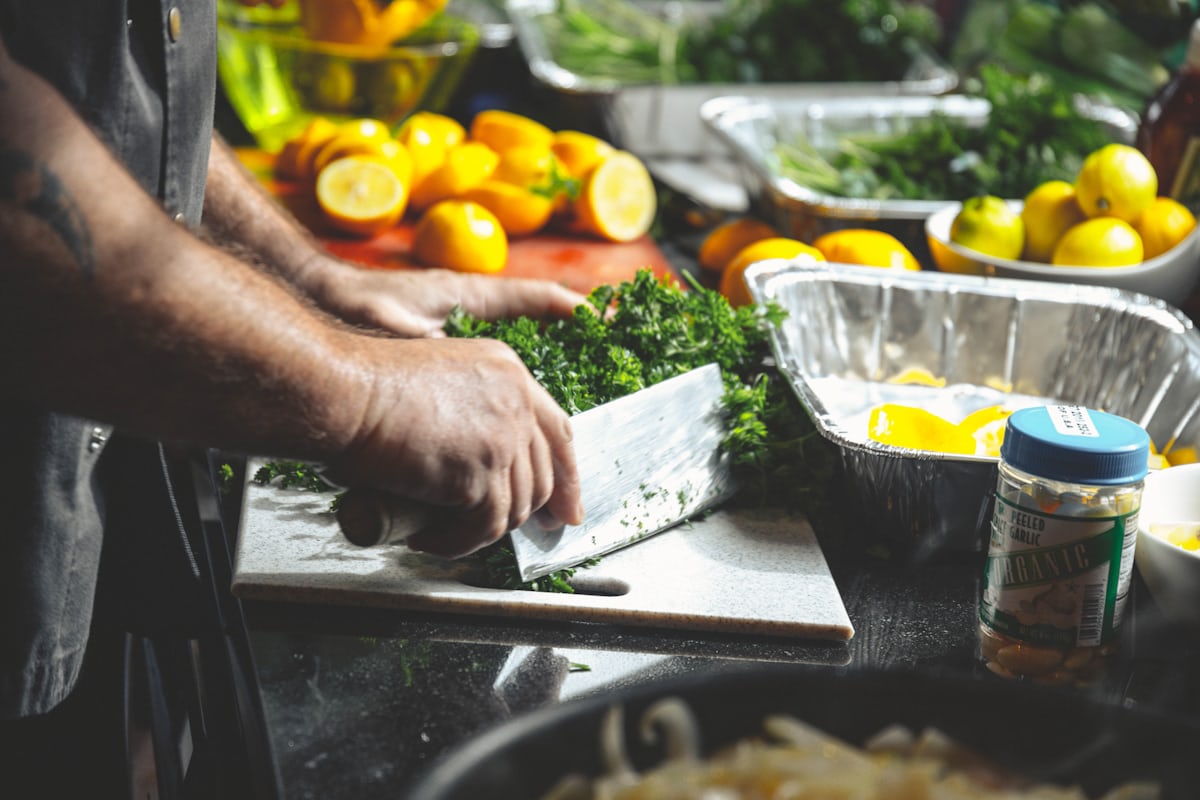
Food waste is a growing issue across the UK hospitality and food service sector. Restaurants, cafés, caterers and manufacturers face increasing costs from wasted ingredients, energy and disposal. Reducing food waste is not only vital for sustainability but also helps businesses improve efficiency and protect profit margins.


This guide outlines 20 practical ways to cut food waste in food businesses, focusing on simple steps that can be applied to daily operations.
1. Track Food Waste Regularly
Monitoring food waste helps identify what is being thrown away and why. Recording waste by type and quantity gives a clear picture of problem areas, helping managers make better decisions about purchasing and preparation.
2. Train Staff on Waste Reduction
Employees play a key role in preventing waste. Training them through online food hygiene courses helps improve their awareness of food handling, storage and hygiene standards. This reduces spoilage, cross-contamination and poor stock rotation, all of which lead to unnecessary waste.
3. Plan Menus Carefully
Menus designed around demand and seasonal produce help reduce overproduction. Offering dishes that share ingredients allows more efficient use of stock, minimising the risk of unused items going off.
4. Optimise Portion Sizes
Large portions often lead to food being left uneaten. Businesses can reduce waste by reviewing portion sizes and offering flexible serving options to match customer appetite.
5. Use a First-In, First-Out (FIFO) System
Implementing a FIFO system ensures that older ingredients are used before newer ones. This simple rotation method prevents items from expiring in storage.
6. Store Food Correctly
Proper storage preserves food quality and extends shelf life. Cold and dry goods should be kept at correct temperatures, with regular checks to maintain equipment performance.
7. Label Everything Clearly
Accurate labelling prevents confusion over expiry dates. Labels should include preparation or delivery dates and use-by or best-before information to avoid accidental spoilage. Training employees in Level 2 Food Hygiene and Safety for Manufacturing training can equip them with the tools to store and handle food to industry standards.
8. Repurpose Surplus Ingredients
Surplus ingredients can be turned into new dishes such as soups, sauces or daily specials. This approach maximises product use and limits the amount of food discarded.
9. Offer Flexible Portions
Allowing customers to choose portion sizes helps align preparation with actual demand. Smaller portions can appeal to lighter appetites while reducing plate waste.
10. Donate Edible Surplus Food
Partnering with local charities or food banks enables businesses to donate safe, edible surplus food. This supports communities while reducing disposal costs and waste volumes.
11. Monitor Customer Preferences
Tracking which dishes sell well helps predict demand more accurately. By adjusting menus to reflect popular choices, businesses can avoid preparing items that rarely sell and reduce kitchen waste.
12. Review Supplier Orders Regularly
Regularly reviewing supplier orders ensures purchasing matches actual usage. Adjusting order quantities based on sales trends prevents overstocking and spoilage.
13. Compost Food Scraps
Some food waste is unavoidable, but composting turns it into something useful. Partnering with local composting schemes or using on-site composters reduces landfill waste and supports environmental goals.
14. Recycle Used Cooking Oil and Packaging
Used cooking oil, cardboard and plastic should be recycled wherever possible. Working with licensed recycling partners ensures compliance with waste regulations and supports sustainable practices.
15. Use Technology to Manage Stock
Inventory management software helps track expiry dates and monitor usage. Automated alerts prevent over-ordering and reduce the risk of food expiring before use.
16. Offer Staff Meals from Leftovers
Safe, unused food can be turned into meals for employees. Ensuring staff are trained through can help ensure leftovers are handled safely and responsibly.
17. Communicate with Suppliers
Maintaining open communication with suppliers allows for flexible delivery options and smaller order sizes. This prevents excess ingredients from building up and going to waste.
18. Review Waste Collection Costs
Waste collection services can be expensive if not reviewed. By reducing waste volumes through better management, businesses can negotiate lower fees and save money.
19. Educate Customers
Customers play a part in reducing waste. Displaying information about portion sizes, sustainability and food donation initiatives encourages responsible behaviour and builds a positive brand image.
20. Conduct Regular Waste Audits
Carrying out waste audits helps measure progress and identify new opportunities for improvement. Reviewing data regularly ensures waste-reduction strategies remain effective and up to date.
Moving Forward: Turning Waste into Value
Reducing food waste requires commitment from everyone in the business. With careful planning, staff training and consistent monitoring, food waste can be significantly reduced. The result is lower costs, improved efficiency and a stronger reputation for sustainability. Each small change adds up, turning what was once waste into lasting value for the business and the planet.