


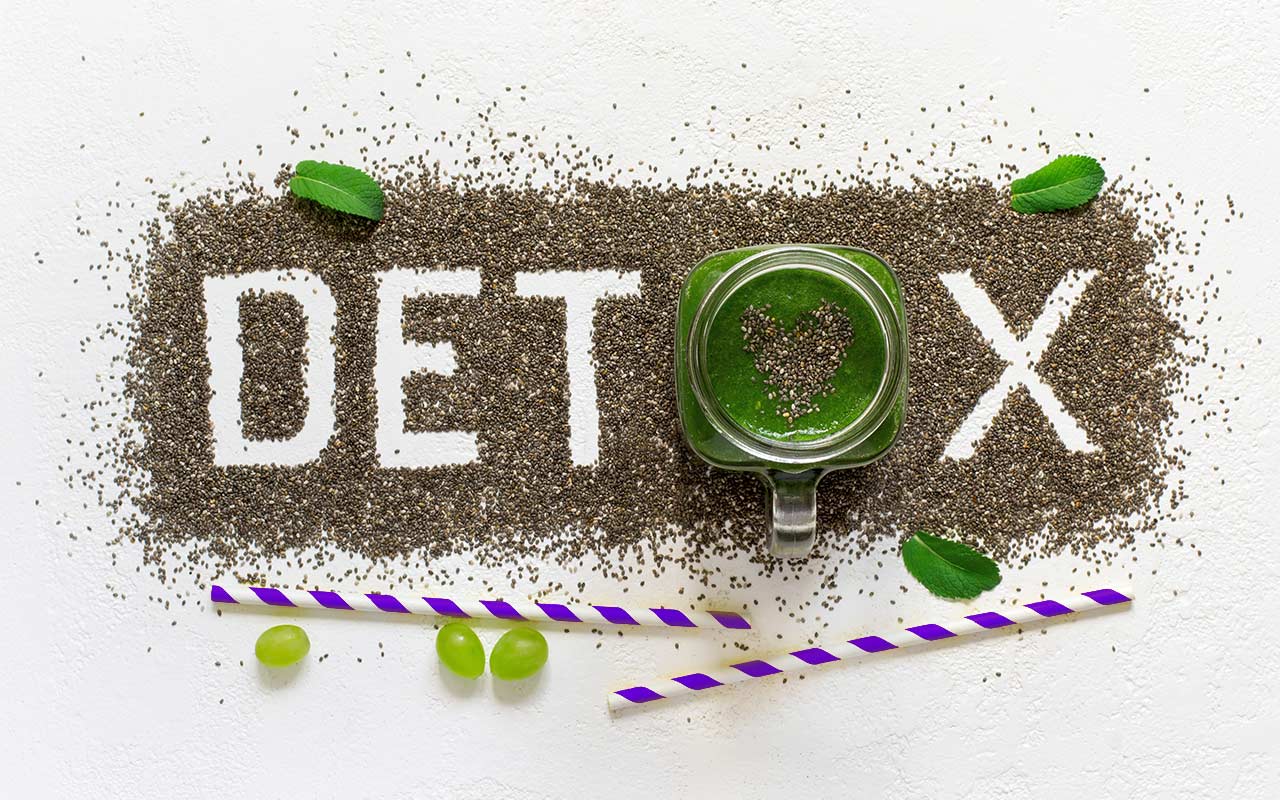
People say “I need a detox” after a weekend of takeout, late nights, and a calendar that looks like it lost a fight. And I get it. “Detox” sounds clean. It sounds like a reset button.


But here’s the thing. You do not need to detox from food.
You might need to detox from chaos.
Because most of the time, what you call “toxins” is really a messy mix of stress, poor sleep, decision fatigue, and a routine that got knocked off the rails. Your body is doing its job. Your life systems just need a tune-up.
The detox myth is mostly a language problem
Your body already has a detox team
Your liver, kidneys, lungs, gut, and skin are not sitting around waiting for a juice cleanse to save them. They filter, process, and clear waste every day. That’s the design.
That’s also why most “detox diets” have a reputation problem in medical circles. There’s little solid evidence that cleanses do what they promise, and plenty of reasons to be cautious with extreme plans or unregulated supplements.
So if you feel “gross” after a week of snacking, it usually isn’t because your body is clogged. It’s because your basics got squeezed out. Hydration. Sleep. Fiber. Regular meals. Movement. And honestly, a little peace.
Why detox feels believable anyway
Detox talk sticks because it explains a vague feeling with a single word. Foggy brain? “Toxins.” Bloated? “Toxins.” Low mood? “Toxins.”
But those symptoms overlap with more ordinary stuff: irregular sleep, stress hormones running hot, too much caffeine, too little water, plus meals that swing from “nothing” to “everything.” That pattern can feel like your body is protesting. It is. Just not in the way detox culture claims.
If you want a reset, you can get one. You just get it through structure, not punishment.
The real detox is getting chaos out of your system
The “chaos tax” your brain pays every day
Chaos is not only messy. It’s expensive.
It shows up as constant context switching. A mind that keeps reopening tabs. A nervous system that stays on alert because your day has no predictable rhythm.
Stress does real things to the body. It affects sleep, digestion, cravings, attention, and mood. It also pushes you toward quick comfort because your brain wants relief, not a lecture.
And once you’re in that loop, “detox from food” becomes the wrong solution to the right problem.
The right problem is this: your days lack guardrails.
Sleep regularity is the underrated “cleanse”
People focus on sleep hours. That matters. But consistency matters too.
A growing body of sleep research links irregular sleep timing with worse mental health outcomes, even when total sleep time looks fine on paper. Keeping your sleep and wake times steadier supports mood and overall functioning.
So if you want to feel clearer, start here: set a wake-up time you can keep most days. That one move alone reduces chaos downstream.
Routines sound boring, but they work like support beams
Think “workflow,” not “willpower”
Willpower is not a reliable tool. It’s like trying to run a team on vibes.
A routine is a workflow. It reduces decisions. It lowers the number of moments where you have to negotiate with yourself. You stop asking, “What should I do now?” every hour.
And that’s the point. Less negotiation. More follow-through.
A good routine is not strict. It’s steady. It gives you a baseline, then you flex around it.
The three anchors that settle your day
If “detox from chaos” had a simple formula, it would be this:
- A consistent wake-up time
- Regular meals with enough protein and fiber
- Daily movement, even if it’s light
Not glamorous. Not trendy. But it works.
Regular meals keep blood sugar swings calmer, which often improves mood and focus. Movement helps burn off stress chemistry and resets attention. And sleep timing makes everything else easier to execute.
You can also add one tiny “ops” trick: prep the environment. Put fruit where you can see it. Keep a water bottle on your desk. Make the next right choice easier than the next wrong one.
A “support stack” beats a solo grind every time
Food isn’t the enemy, but coping patterns matter
Some people use food like a pressure valve. Others use alcohol, weed, pills, or stimulants. Some rotate between all of them, depending on what the week throws at them.
This is where detox language gets messy. Because there is a real, medical meaning of detox, and it has nothing to do with celery juice.
If you’re dealing with substance dependence, withdrawal risk, or you keep trying to stop and cannot, that’s not a self-discipline issue. That’s a support issue. And it deserves professional care.
If you’re looking for structured, clinical help, a Rehabilitation Center in Illinois can be a starting point for understanding options and support levels.
Your support stack can be simple
Support does not have to be dramatic. It can look like:
- a friend who gets a weekly walk on the calendar with you
- a therapist who helps you sort triggers from habits
- a doctor visit to check fatigue, sleep issues, or meds side effects
- a meal plan that removes daily decision overload
- a recovery group if substances are part of the picture
The common thread is this: you stop carrying the whole thing alone.
A 7-day “detox from chaos” plan that feels like real life
Days 1 to 2: reduce inputs, not calories
For two days, do less. Not less food. Less noise.
- Pick a wake-up time. Keep it.
- Drink water early in the day.
- Eat three basic meals. No heroics.
- Cut the “stress snacks” triggers: doomscrolling while hungry, caffeine on an empty stomach, skipped lunches.
- Do a 20-minute walk, preferably outside.
This is the part where you notice how wired your normal day feels. That’s useful data, not failure.
Days 3 to 7: build a repeatable cadence
Now you set a rhythm you can keep.
Morning (10 minutes):
Water, light exposure, quick plan for the day (top 3 tasks). Think of it like a daily stand-up, just for you.
Midday (5 minutes):
Eat something real. Protein plus fiber. Then a short reset, even a slow lap around the room.
Late afternoon (10 minutes):
Do the “closing shift.” Tidy one small area. Prep one thing that makes tomorrow easier (clothes, lunch, a grocery list).
Evening (30 minutes):
Start powering down at a consistent time. Keep the lights lower. Put your phone on a charger away from the bed if you can.
If you want a simple metric, track this: “Did I keep my wake-up time within one hour?” That one question keeps you honest without turning your life into a spreadsheet.
When it’s time to get help beyond routines
Real detox is medical, and that’s okay
Sometimes chaos is not just a busy season. Sometimes it’s a sign that something is sliding.
If you’ve had withdrawal symptoms, escalating use, or you’re scared of what happens when you stop, treat that as serious. Get professional support. Medical detox exists for a reason, and it protects your safety.
If you’re exploring that level of care, Detox in WA is one resource that outlines what detox support can look like in a structured setting.
The reframe that actually sticks
You do not need to cleanse your body like it’s a dirty room.
You need a routine that gives your nervous system fewer surprises.
Start small. Pick one anchor. Keep it for a week. Then add the next. That’s how you “detox” from chaos in a way your real life can tolerate.
And if you keep hitting the same wall, bring in support. That’s not a weakness. That’s good planning.












