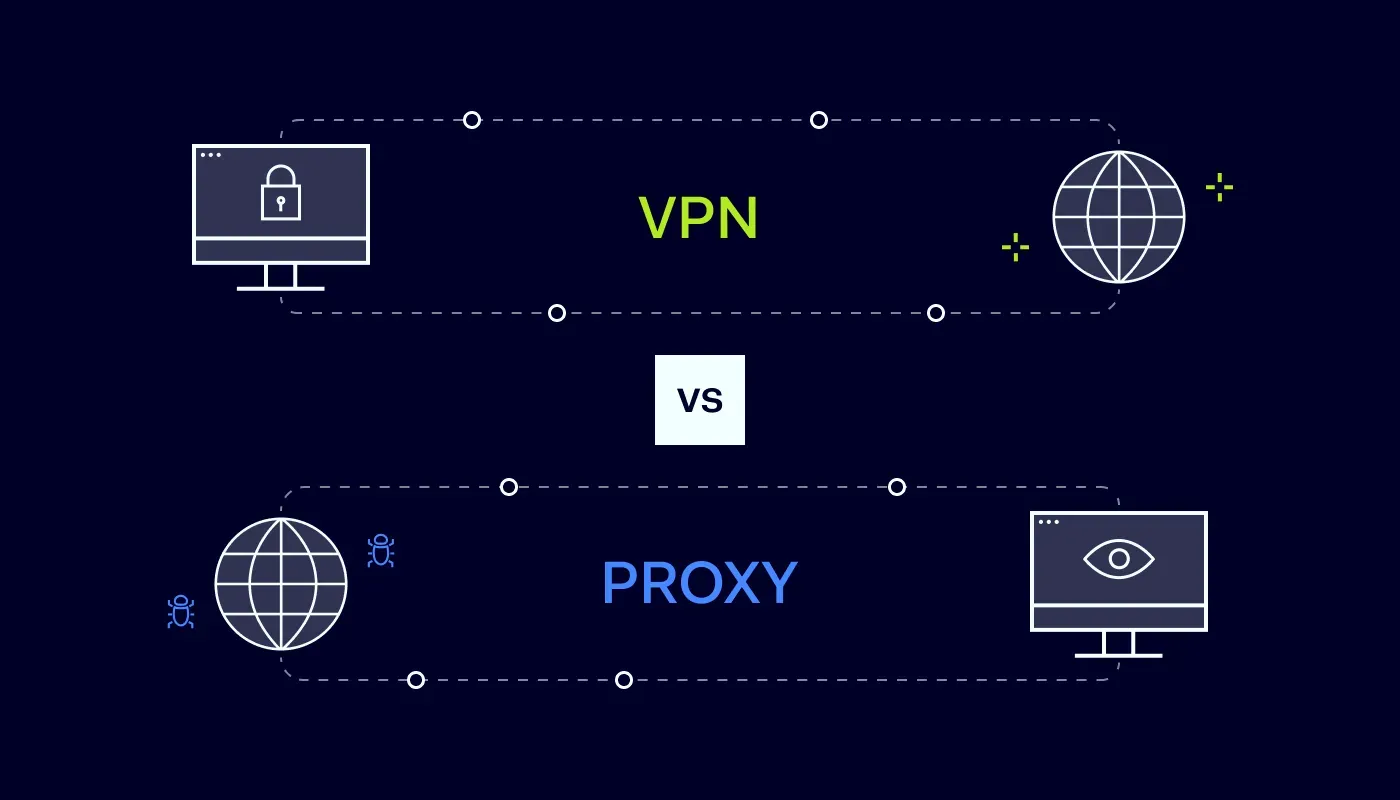
In an era where digital interactions are integral to both personal and professional realms, the importance of online security cannot be overstated. As cyber threats continue to evolve, so too must our strategies for safeguarding sensitive information. One critical aspect of this security landscape is the detection of proxy, VPN, and TOR usage. These tools, while often utilized for legitimate purposes such as enhancing privacy and bypassing geographical restrictions, can also provide cover for malicious actors engaging in illicit activities. Consequently, organizations and individuals alike must implement robust detection methods to discern genuine users from potential threats. Understanding the nuances of proxy, VPN, and TOR detection not only fortifies defenses against cyber attacks but also promotes a safer online environment. By employing advanced detection technologies, organizations can identify suspicious behaviors, ensure compliance with regulatory standards, and protect their networks from unauthorized access. In this article, we will explore the significance of proxy/VPN/TOR detection, the methodologies employed in its implementation, and the overarching implications for online security in an increasingly complex digital landscape. As we navigate this multifaceted issue, the necessity of proactive measures will become increasingly evident, underscoring the need for vigilance in our interconnected world.


– Understanding Proxy/VPN/TOR Detection Methods
Proxy/VPN/TOR detection methods employ a variety of techniques to identify and analyze the traffic patterns associated with these anonymity services. Among the most common approaches are IP address analysis, which involves maintaining and regularly updating databases of known proxy, VPN, and TOR exit node IP addresses. This method can effectively flag malicious or suspicious activity originating from these users. Additionally, behavioral analysis examines the characteristics of incoming traffic, looking for anomalies that may suggest the use of such services, like unusual request frequencies or uncommon protocol behaviors.
Another technique involves deep packet inspection (DPI), which allows for a more granular examination of data packets. DPI can reveal encrypted connections consistent with VPN use or the specific types of traffic common to proxies and TOR, thereby aiding in their detection. Furthermore, employing machine learning algorithms can enhance the effectiveness of detection systems by allowing them to adapt to new proxies, VPNs, or TOR configurations as they emerge. This multifaceted approach ensures that organizations maintain a robust defense against potential misuse of anonymity services while preserving their overall security posture.
– Importance of Maintaining Online Anonymity
Maintaining online anonymity plays a critical role in safeguarding personal privacy and freedom of expression in an increasingly interconnected world. Individuals often share sensitive information on the internet, making them vulnerable to various threats, including identity theft, surveillance, and harassment. The use of proxy/VPN/TOR services provides a layer of protection by obscuring users’ IP addresses and encrypting their data, which can deter malicious actors and unwanted scrutiny from both corporations and governments. In contexts where individuals face oppressive regimes, online anonymity becomes a vital tool for activism and the sharing of information without fear of retribution.
Moreover, the right to privacy in the digital landscape is paramount, as it fosters a space for open discussions and the exchange of ideas. When users can navigate the internet without the fear of being tracked or monitored, they are more likely to engage in honest communication and explore diverse viewpoints. However, the principle of maintaining online anonymity faces challenges, particularly from entities that seek to disrupt or monitor internet traffic. Therefore, robust proxy/VPN/TOR detection methods are essential, not only for ensuring security and compliance but also for preserving the fundamental rights of individuals to access information freely and securely.
– Enhancing Security Through Effective Detection
Effective detection mechanisms for proxy/VPN/TOR usage play a crucial role in enhancing security across digital platforms. By identifying and mitigating the risks associated with these anonymizing tools, organizations can better protect their networks from potential threats such as fraud, data breaches, and other malicious activities. Implementing robust detection systems allows for the monitoring of unusual traffic patterns and behaviors, enabling timely responses to suspicious activities that may indicate an attempt to bypass security protocols.
Furthermore, the integration of advanced detection technologies enhances overall risk management strategies. Organizations can establish policies that balance user privacy with the need for security, ensuring that while individuals may utilize proxy/VPN/TOR services for legitimate purposes, any misuse can be promptly addressed. This proactive approach not only fortifies the integrity of digital environments but also cultivates a sense of trust among users, knowing that their interactions are safeguarded against unauthorized access and exploitation.
In conclusion, the necessity of proxy, VPN, and TOR detection in the realm of online security cannot be overstated. As cyber threats continue to evolve, the ability to identify and mitigate the use of these tools is crucial for maintaining the integrity of networks and safeguarding sensitive information. Organizations must adopt robust detection mechanisms to prevent malicious activities that often exploit these technologies for anonymity and evasion. By prioritizing the implementation of effective detection strategies, businesses can enhance their security posture, protect their assets, and ensure a safer online environment for all users. Ultimately, a proactive approach to understanding and managing proxy, VPN, and TOR usage is essential in navigating the complexities of today’s digital landscape.