


Buying a used car in Australia usually starts the same way. A scroll. A few photos taken on a good day. A description that says “drives great” and “well looked after.” Maybe a quick phone call. Perhaps a test drive around the block where everything feels… fine.


And then comes the moment most buyers rush or skip altogether—the Pre-Purchase Mechanical Inspection.
On paper, it sounds technical. Dry. Just another box to tick before handing over money.
In reality, a Pre-Purchase Mechanical Inspection is something else entirely. It is the pause. The breathing space. The moment where emotion steps aside and facts take the wheel.
This is not about catching every scratch or making the car perfect. It is about understanding what you are actually buying, beyond the shine.
The Myth of the “Good Feel” Test Drive
Most buyers judge a car’s quality within the first 10 minutes. No strange noises. No warning lights. Steering feels straight. The brakes stop the vehicle. Job done.
But here is the uncomfortable truth. Many mechanical problems do not announce themselves during a short drive. They wait. Heat-related faults. Early transmission wear. Suspension fatigue. Oil leaks that only show up after pressure builds.
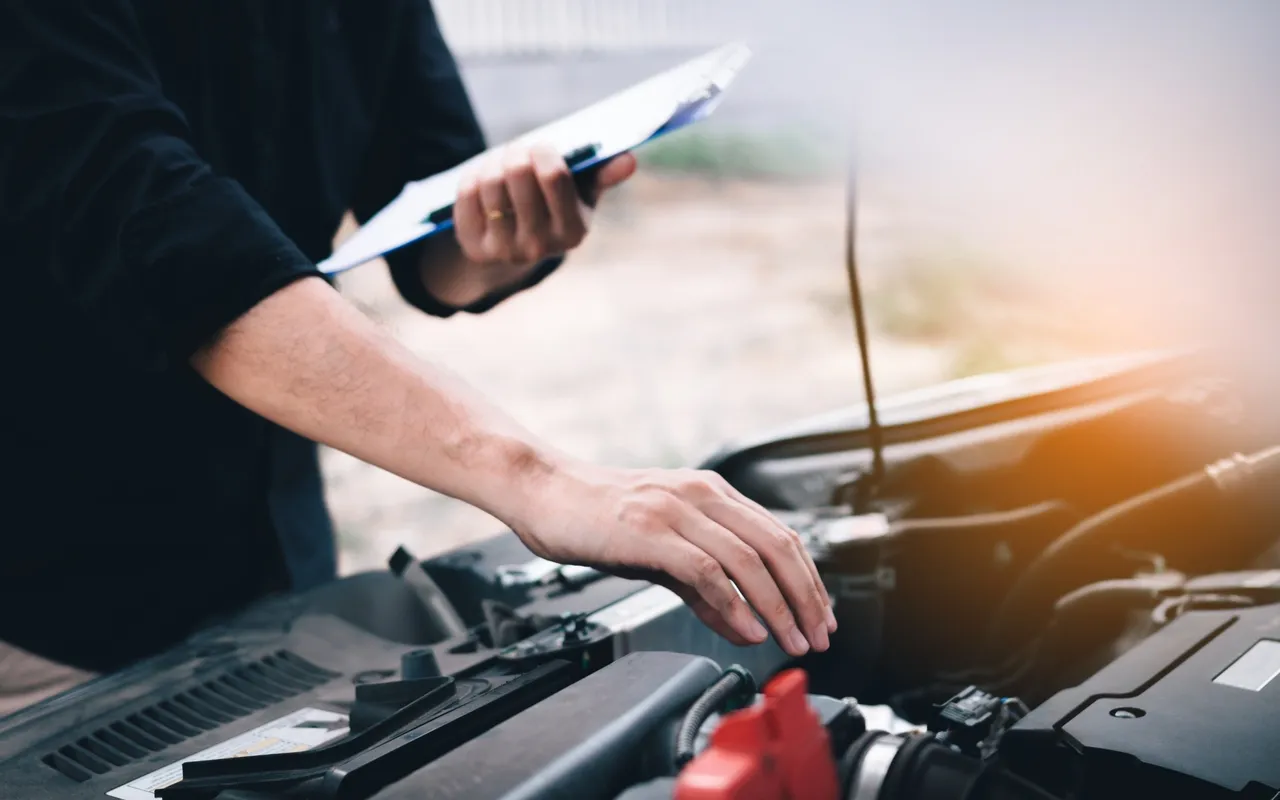
A Pre-Purchase Mechanical Inspection looks where a test drive cannot. Under the car. Inside the engine bay. Through diagnostic tools and trained eyes that know what “almost fine” actually means.
Yes, the report reads well sometimes. No major faults. Minor wear. Normal for age.
That result is not boring. That is the reassurance you paid for.
Why Inspections Are About Decisions, Not Fear
There is a belief that inspections are intended to deter buyers. To turn every used car into a horror story.
That usually comes from people who have never read a proper Pre-Purchase Mechanical Inspection report.
A good inspection does not shout. It explains. It shows what matters now, what might matter later, and what probably never will.
Worn brake pads? Normal. Slight oil seepage? Monitor it. Suspension bushings ageing? Budget for it in the next year or two.
The value is not in finding problems. It is in context.
That context helps buyers determine whether the price aligns with reality.
Australian Conditions Change the Story
Used cars in Australia live tough lives. Heat. Long highway runs. Dust. Coastal air. Towing. Stop-start city traffic.
A Pre-Purchase Mechanical Inspection is conducted to address that. Inspectors look for heat stress on hoses and seals. Corrosion in coastal vehicles. Chassis fatigue in utes and 4WDs that have worked hard.
Two cars can appear identical online, but tell very different stories under the hood.
That difference rarely shows up in photos.
When the Report Becomes a Negotiation Tool
This is where things get interesting.
A Pre-Purchase Mechanical Inspection provides buyers with concrete assurance. Not opinions. Not gut feelings. A documented snapshot of the car’s condition.
Suddenly, the conversation changes.
Instead of “Can you come down a bit?” it becomes “The report shows the suspension needs attention, and the tyres are near replacement. That is a real cost.”
Some sellers adjust the price. Some offer to fix items. Some stand firm.
And sometimes, the inspection quietly tells you to walk away.
That is not a failure. That is the inspection doing its job.
Walking Away Is Still a Win
This part is not discussed enough.
Paying for a pre-purchase mechanical Inspection and not buying the car can feel frustrating. Money spent. No keys in hand.
But compare that to buying a car with hidden transmission issues or structural damage. The inspection fee suddenly looks small.
Many experienced buyers will tell you the same thing. The best inspections are the ones that saved them from the wrong car.
Silently. Efficiently. Before it became personal.
Not All Inspections Are Equal
Here is the slightly awkward bit. A checklist alone does not equal a quality Pre Purchase Mechanical Inspection.
Experience matters. Knowing which noises are normal and which are not. Understanding how specific models age. Recognising patterns that point to bigger problems.
Some inspections are rushed. Some rely too heavily on templates. Others dig deeper, ask questions, and connect the dots.
Buyers should not be afraid to ask what the inspection actually covers. How long does it take? Whether diagnostics are included. How findings are explained.
A report you cannot understand is not much help.
The Emotional Side of Buying Used
Buying a car is rarely just logical. There is excitement. Relief. Sometimes pressure. Maybe you need the vehicle quickly. Perhaps you have already pictured it in your driveway.
A Pre-Purchase Mechanical Inspection creates a pause in that emotional rush.
It permits buyers to slow down.
To read. To think. To ask one more question.
That pause alone is valuable.
Why Sellers Should Welcome Inspections Too
Interestingly, honest sellers often benefit from a Pre-Purchase Mechanical Inspection as well.
It builds trust. Reduces back-and-forth. Stops deals from falling apart late. A clean or mostly clean report reassures buyers who might otherwise hesitate.
It also protects sellers from disputes after the sale.
Transparency works both ways.
What Buyers Usually Learn Too Late
Ask anyone who skipped a Pre-Purchase Mechanical Inspection and regretted it. The story often sounds similar.
“I thought it was fine.”
“It drove well.”
“The seller seemed genuine.”
None of those things replaces mechanical insight.
Used cars can hide issues well. Very well.
An inspection is not pessimism. It is preparation.
The Real Purpose, Stripped Back
At its core, a Pre-Purchase Mechanical Inspection in Melbourne is not about perfection.
It is about clarity.
Knowing what you are stepping into. Knowing where the risks sit. Knowing whether the price aligns with reality.
Sometimes that clarity leads to confidence and a purchase. Sometimes it leads to a polite thank-you and a walk away.
Both outcomes are valid.
Both protect you.
And in a used car market that moves fast and talks even faster, that kind of grounded clarity is rare. And worth it.









