There’s a moment every homeowner dreads—standing in the attic with a flashlight, watching rainwater drip through what used to be a solid roof. A patch job worked last year. Maybe the year before that, too. But at some point, the math stops adding up, and what once felt like smart frugality turns into an expensive mistake.


Knowing when to stop repairing and commit to a full roof replacement is one of the most consequential decisions a homeowner can make. Get it right, and you protect your home’s structure, its value, and your peace of mind. Get it wrong, and you could face compounding water damage, mold, and a far steeper bill down the road.
This post breaks down the honest signs that a replacement is overdue, what the process actually involves, and how to approach it without second-guessing every decision.
The Real Cost of Waiting Too Long
Roofing repairs feel cheaper in the short term—and they often are. A few hundred dollars to fix a flashing issue or replace a handful of cracked shingles seems far more palatable than a full replacement. But this comparison gets misleading fast.
Every time water finds its way past a compromised roof, it doesn’t just stop at the ceiling. It works into insulation, weakens rafters, warps decking, and creates the warm, damp conditions that mold thrives in. By the time visible damage appears inside your home, the underlying structure may already be significantly compromised.
The average asphalt shingle roof has a lifespan of 20 to 30 years. If yours is pushing past that range and you’re still calling for repairs every season, the cumulative cost of patching often exceeds the cost of replacement—without ever solving the core problem.
Clear Signs You Need a Roof Replacement
Not every roof problem calls for a full replacement, but some signs are harder to dismiss than others. Here’s what to look for:
Your Roof Is Aging Out
Age is the most straightforward factor. Even a roof with no visible damage may be nearing the end of its useful life. Asphalt shingles installed 25 years ago are operating on borrowed time, regardless of how they look from the street.
Shingles Are Curling, Cracking, or Missing in Clusters
A few missing shingles after a severe storm? Repairable. But widespread curling at the edges, cupping across the surface, or large sections of missing shingles signal systemic failure. This kind of deterioration rarely stays contained—it spreads.
Granules Are Accumulating in Your Gutters
Asphalt shingles shed their granules as they age. If your gutters are collecting dark, gritty buildup that resembles coarse sand, your shingles are breaking down at the surface level. Once granule loss becomes widespread, the shingles lose their ability to deflect UV rays and shed water effectively.
You’re Seeing Daylight in the Attic
Light coming through the roof boards means gaps exist—gaps that water, cold air, and pests can exploit just as easily. If you spot daylight during a daytime attic inspection, a repair might address one area, but others are likely compromised as well.
Interior Water Stains Are Spreading
Ceiling stains and peeling paint near the roofline are symptoms, not the source. If those stains keep expanding despite repairs, the underlying issue hasn’t been resolved. A full inspection may reveal that the damage is more widespread than surface patching can address.
What the Roof Replacement Process Looks Like
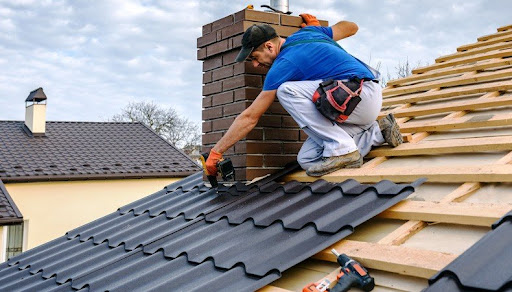
Understanding the process helps remove the anxiety from a major home investment. At its core, a roof replacement involves removing the existing roofing material down to the deck, inspecting and repairing the decking as needed, installing new underlayment, and then laying fresh shingles or chosen roofing material.
Most residential replacements are completed within one to two days, depending on the size of the roof and weather conditions. The work is disruptive—expect noise and some landscaping protection around the home’s perimeter—but it’s temporary.
Material choices vary. Asphalt shingles remain the most popular option due to their affordability and durability. Metal roofing has grown in popularity for its longevity (often 40 to 70 years) and energy efficiency. Architectural shingles offer a higher-end aesthetic over standard 3-tab options. A reputable contractor will walk you through what makes sense for your climate, budget, and home style.
Choosing the Right Contractor
A roof replacement is only as good as the team installing it. This is where homeowners can make or break the investment.
Work with a licensed, insured contractor who is familiar with local building codes and weather conditions. Ask for references, check online reviews, and request a written estimate that itemizes labor, materials, and any potential additional costs for decking repairs.
At Spruce Exteriors, LLC, we approach every roof replacement project with the same attention to detail—thorough inspection, honest assessment, and quality installation. We don’t push replacements when a repair is the right call, but when a new roof is what your home genuinely needs, we make sure it’s done right the first time.
Be cautious of unusually low bids. Roofing is an area where cutting corners tends to show itself quickly—often during the next major rainstorm.
Does a New Roof Add Home Value?
Yes, meaningfully so. According to Remodeling Magazine’s Cost vs. Value report, a mid-range asphalt shingle roof replacement recoups roughly 60 to 68% of its cost at resale. For a home already priced well, a new roof can be a decisive factor for buyers weighing two similar properties.
Beyond resale value, a new roof can lower your homeowner’s insurance premium, improve energy efficiency, and eliminate the recurring repair costs that were quietly draining your maintenance budget.
What to Expect After Installation
A quality roof replacement comes with a manufacturer’s warranty on materials—typically 25 to 50 years depending on the product—and a separate workmanship warranty from your contractor. Keep documentation of both.
In the months following installation, schedule a visual inspection after any significant storm. Clear debris from gutters regularly to prevent moisture buildup at the roofline. And address any minor issues promptly; a new roof maintained well will stay new longer.
The Right Time to Act
Roof Replacement ensures your home stays protected, functional, and secure while allowing you to choose materials and craftsmanship that meet your long-term needs. Roof replacement is rarely urgent—until it suddenly is. Homeowners who benefit most are those who respond to clear warning signs before an emergency leaves them with limited options.
If your roof is showing multiple signs of wear, or if you haven’t had a professional inspection in the last few years, now is a reasonable time to get one. An honest assessment from a qualified contractor gives you the information to make a sound decision—without pressure and without regret.
Spruce Exteriors, LLC offers free roof inspections and straightforward assessments for homeowners who want clarity, not a sales pitch. Reach out today to schedule yours.