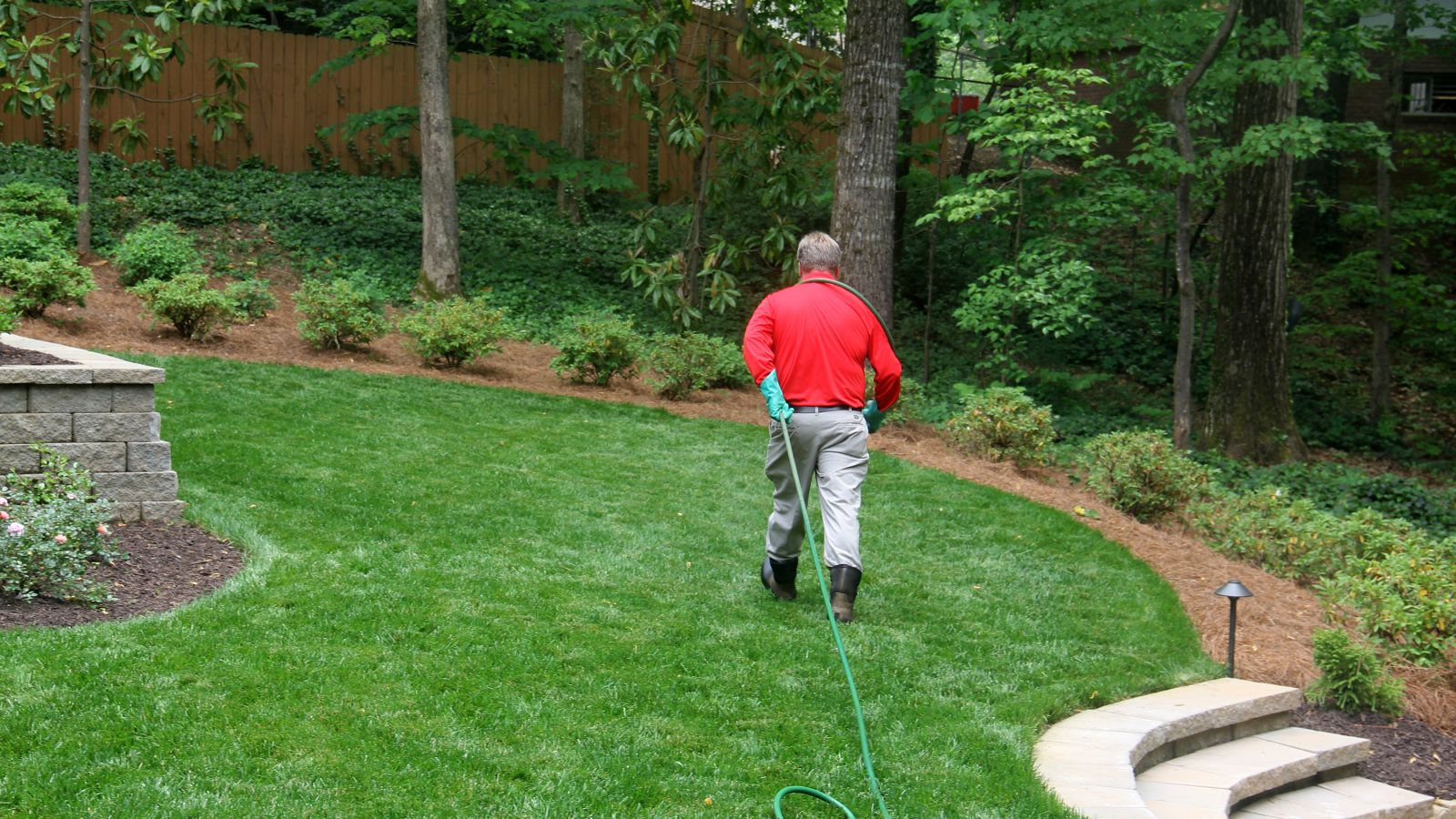
A well-maintained lawn not only enhances the beauty of a property but also creates a welcoming and comfortable outdoor space for relaxation and recreation. Homeowners often invest significant time and effort into mowing, watering, and fertilizing their lawns, yet certain issues may require professional intervention to ensure the grass remains healthy and vibrant. Ignoring early signs of distress can result in extensive damage, costly repairs, and the need for complete lawn restoration. We will explore the key indicators that suggest your lawn may need the attention of a professional service, helping you preserve its appearance and functionality while preventing long-term problems. Understanding these signals empowers homeowners to act promptly and maintain a lush, thriving yard.


Visible Signs of Lawn Stress
One of the most obvious indications that your lawn requires professional care is the appearance of stress or deterioration in the grass itself. Common visual signs include yellowing, browning, patchy growth, or areas where the grass has become thin or bare. These symptoms may result from improper watering, pest infestations, soil compaction, or nutrient deficiencies. While occasional discoloration may be addressed through regular care, persistent or widespread issues suggest underlying problems that a trained professional, such as TurfMark Outdoor Solutions near Buford, can diagnose and resolve.
Uneven growth patterns, such as matted or stunted grass, may indicate poor soil health or the presence of fungi, both of which require intervention. By identifying these early signs, homeowners can prevent further damage and restore the lawn’s vitality. A professional service can implement solutions such as aeration, soil amendment, pest control, and targeted fertilization, providing a long-term recovery plan rather than temporary fixes.
Pest and Disease Infestations
Another critical factor that signals the need for professional lawn care is the presence of pests or disease. Lawn-damaging insects, such as grubs, chinch bugs, and armyworms, can cause significant damage before homeowners even notice their presence. Signs of infestation include irregular brown patches, wilting grass, and areas that can be easily pulled from the soil. Similarly, fungal diseases can cause discolored spots, mold, or mildew on the grass blades, spreading rapidly if left untreated. While some homeowners attempt to address these issues with over-the-counter treatments, the complexity of pest behavior and disease cycles often requires professional assessment and management.
Professionals can accurately identify the problem, determine its severity, and apply appropriate measures to control the issue while preventing recurrence. Addressing infestations early not only preserves the lawn’s appearance but also protects its overall health and the surrounding landscape from further deterioration.
Watering and Drainage Challenges
Improper watering and drainage problems are subtle yet impactful signs that your lawn may need professional attention. Overwatering can lead to waterlogged soil, root rot, and the growth of mold or algae, while insufficient watering can cause dry patches, weak roots, and early grass death. In addition, lawns with uneven terrain or poor drainage may develop pooling or erosion, creating stressful conditions for the grass and encouraging weed growth. Identifying these issues may be challenging for homeowners, as the symptoms can appear gradually and overlap with other lawn problems.
A professional service can assess irrigation systems, soil composition, and drainage patterns, recommending adjustments or interventions that optimize water distribution and maintain soil health. Properly managed watering and drainage prevent long-term damage, improve grass resilience, and support the growth of a lush, uniform lawn, ultimately saving homeowners time and money.
Weed Overgrowth and Competition
Weeds not only compromise the aesthetic appeal of a lawn but also compete with grass for nutrients, water, and sunlight. A sudden increase in weed coverage, persistent weed regrowth, or the presence of invasive species can indicate that your lawn’s natural balance has been disrupted. While routine weeding may provide temporary relief, significant infestations often require professional care to ensure effective removal and prevent recurrence.
Professionals can evaluate the type of weeds present, their growth patterns, and the overall condition of the lawn, developing a strategy to eliminate the problem while supporting healthy grass regrowth. This approach includes treatments tailored to specific weed species and the use of techniques that strengthen the grass to resist future invasions. By addressing weed overgrowth proactively, homeowners can protect their investment, maintain a uniform lawn, and reduce the likelihood of recurring issues that demand ongoing attention.
Soil Health and Lawn Nutrition
The foundation of a healthy lawn lies in the condition of the soil beneath it. Compacted or nutrient-deficient soil can lead to poor grass growth, patchy areas, and increased vulnerability to pests and disease. Indicators of soil issues include thin or stunted grass, uneven coloration, and difficulty in maintaining moisture levels. A professional service can conduct soil testing to determine pH levels, nutrient content, and organic matter composition, allowing for targeted interventions such as fertilization, aeration, or topdressing. These treatments promote root development, improve water absorption, and enhance the overall resilience of the lawn. By addressing soil health, homeowners not only correct existing problems but also establish long-term conditions that support continuous growth and reduce the need for emergency interventions. Professional care ensures that corrective measures are applied efficiently and safely, maximizing the impact on lawn recovery.
Recognizing the signs that a lawn requires professional attention is crucial for maintaining its health, beauty, and usability. From visible stress and discoloration to pest infestations, disease, drainage issues, weed overgrowth, and compromised soil health, each indicator serves as a signal that timely intervention is necessary. Ignoring these issues can result in extensive damage, costly repairs, and a long recovery period. Engaging a professional service allows homeowners to address problems efficiently, implement preventative measures, and restore their lawn to its optimal condition. Services provide tailored solutions that address both immediate concerns and long-term lawn maintenance, preserving the beauty and functionality of your property without unnecessary stress or disruption.