


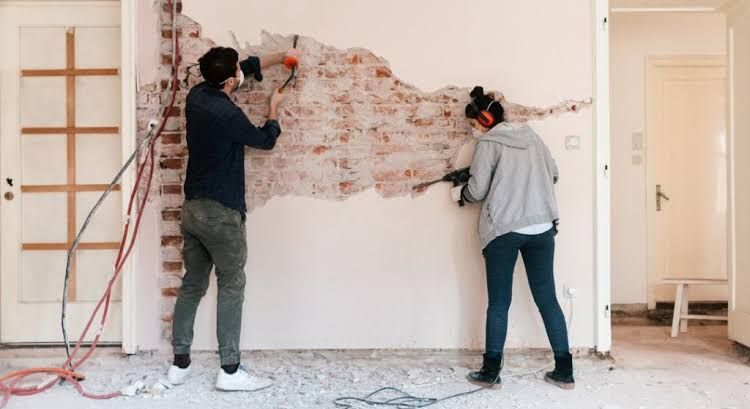
Home renovation season is here, and across the country, families are ripping up floors, repainting walls, and knocking down cabinets to give their homes a fresh look. It feels exciting. But behind the drywall dust and paint cans, a quieter risk is building up in these homes. Loose flooring, exposed wires, and stray tools left in hallways can turn an ordinary walk through the house into a painful accident. Most homeowners think about budgets and timelines during a remodel. Few think about who might get hurt along the way, and what happens legally if they do.


The Mess You Don’t Notice Could Cost You
Renovation sites are busy. Contractors come and go, materials pile up, and floors are often covered in plastic sheeting or half-finished tile work. This creates a perfect storm for falls. A neighbor stopping by to borrow a tool, a delivery driver dropping off supplies, or even a family member walking through at night can trip over a stack of lumber or slide on sawdust covered tile.
Here’s the part many homeowners overlook. If someone gets hurt on your property during a renovation, you could be held responsible, even if a contractor made the mess. Property owners generally have a duty to keep their space reasonably safe for visitors, and that duty does not pause just because a project is underway. If you want to understand how these cases actually work and what counts as negligence in a fall, this breakdown from Costello Law Firm (at https://thecostellolawfirm.com/practice-areas/slip-fall/) explains it clearly. It’s worth a read before your next project, whether you’re the homeowner or the one visiting a renovated space.
The good news is that most of these accidents are avoidable. A little planning goes a long way toward keeping your home safe while the work gets done.
Simple Habits That Prevent Big Accidents
Start with lighting. Renovation zones often have bulbs removed, fixtures unplugged, or temporary lighting that doesn’t reach every corner. Poor lighting is one of the easiest fall risks to fix, yet it’s the one most people forget. Keep a portable work light in any area under construction, especially stairwells and hallways.
Next, think about walkways. Even if the living room is a construction zone, the path from the front door to the kitchen should stay clear. Move tools, extension cords, and drop cloths out of high traffic areas at the end of each work day. This single habit, sometimes called maintaining clear walking paths, prevents a huge share of household trips and falls, whether or not a renovation is happening.
Homeowners juggling a remodel are already thinking about a dozen other safety concerns too, from securing tools overnight to protecting the property from theft while contractors are in and out. Many of the same instincts that protect a home from physical security risks also apply here. In fact, this look at how homeowners can stay proactive about physical safety concerns around their property shares practical habits that overlap nicely with fall prevention during a remodel.
Finally, talk to your contractor about daily cleanup. A good contractor will sweep up debris, coil cords, and cover sharp edges before leaving for the day. If this isn’t happening, it’s fair to ask for it. You’re paying for the work, and a safe job site should be part of the deal.
If children, older adults, or pets are living in the home during renovations, consider blocking off work areas with temporary barriers. Limiting access to active construction zones reduces the risk of accidents and helps everyone move safely through the house.
Why This Matters More Than People Think
Falls are not a minor issue. They send millions of people to the emergency room every year, and older adults or young children are especially vulnerable to serious injury from something as small as a loose rug or a slick floor. According to the National Safety Council, falls remain one of the leading causes of unintentional injury in homes and workplaces alike, and a large share of them happen from hazards that were entirely preventable. A home mid-renovation only raises those odds.
If you’re planning a remodel this year, treat safety planning the same way you’d treat a budget or a timeline. Walk through the space daily and look at it through a visitor’s eyes. Would you feel safe walking from the front door to the kitchen in the dark? Would an older relative feel steady on that plastic covered staircase? These small checks take minutes but can prevent a fall that changes someone’s life.
Renovations are supposed to make a home better. With a bit of extra care around lighting, walkways, and daily cleanup, you can enjoy the process without turning your home into a hazard for the people who matter most. A safer job site protects your family, your guests, and honestly, your peace of mind while the work gets done.


