


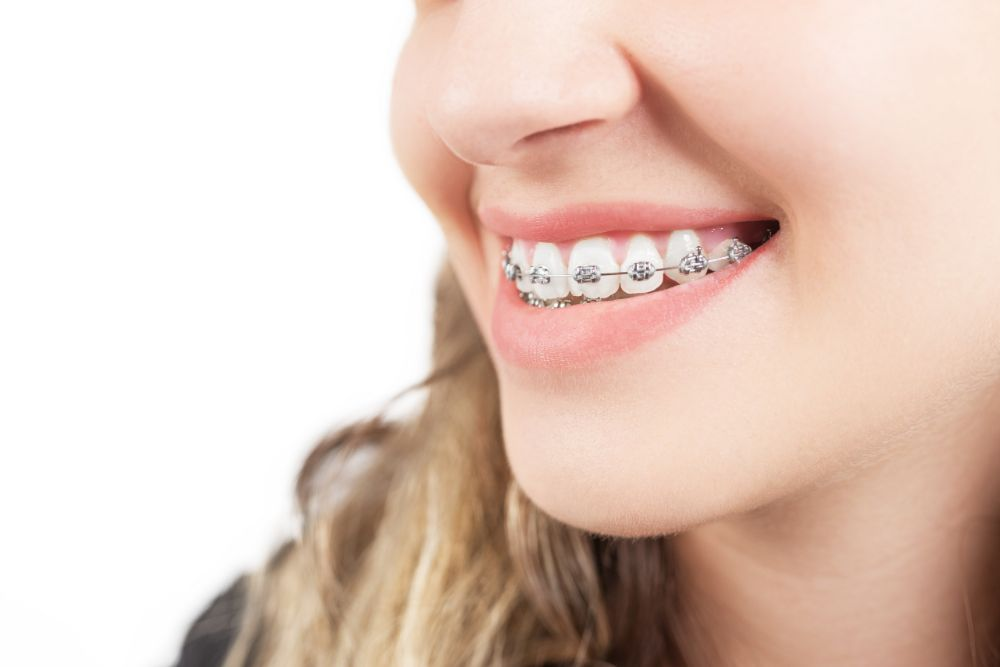
Getting a metal orthodontic bracket for the first time can feel like a big moment. You are sitting in the chair, hearing small tools nearby, and suddenly there is something new attached to your teeth that you cannot ignore. The first day often feels strange, not scary, just… noticeable.


What Happens When the Brackets Go On for the First Time?
The appointment is usually about careful bonding, and you can often feel how precise it is. Your teeth are dried, the bracket is placed, and then everything is set so the wire can start doing its quiet work over time. Some people are surprised by how clinical but calm the process feels.
You might leave the clinic and keep running your tongue over the new edges without even meaning to. That sensation is common. In cosmetic dentistry, this is often the starting point where function and appearance meet, even if it does not feel glamorous at the moment.
How Does This Affect Your Oral Health in the First Week?
Pressure tends to show up before pain. You may bite into something simple, like toast, and realise your teeth feel tender in a way they did not yesterday. Sometimes it comes and goes during the day.
Cleaning also feels different right away. Brackets create tiny corners where food can linger, so oral health becomes more about slowing down at the sink. You might find yourself brushing a little longer at night, checking the mirror, making sure nothing is stuck around the brackets after dinner.
What Feels Different When You Eat and Speak?
Food is usually the first real adjustment. A crunchy snack can suddenly feel like too much effort, while something soft feels easier on sore teeth. Many people stick with gentler meals for a few days, not forever, just while everything settles.
Speech changes can be subtle. You might notice certain words feel awkward, especially if your lips catch on the brackets at first. Talking on the phone or reading something aloud at home can help your mouth get used to the new shape.
What Helps You Stay Comfortable Day to Day?
Little fixes make a big difference. Orthodontic wax can stop that scratchy feeling when a bracket rubs against your cheek, especially in the first week.
Warm saltwater rinses are another simple comfort, often used in the evening when your mouth feels a bit tired. And if your teeth feel sensitive, even choosing lukewarm drinks instead of icy ones can feel like relief.
When Should You Contact Your Orthodontist?
Some discomfort is expected, but sharp irritation is a different story. If a wire starts poking or a bracket feels loose when you chew, it is usually worth calling rather than waiting.
These are everyday issues for orthodontic clinics, and quick adjustments can stop a small problem from turning into a sore spot that keeps bothering you.
How Do Brackets Support Long-Term Smile and Wellness Goals?
Brackets work slowly, almost in the background. Day to day, you might not notice change, but over weeks, the bite begins to shift in small ways. Some people start to feel their teeth fitting together differently when they chew.
Different bracket designs exist for comfort and control, and that quality can matter when you are wearing them through school days, work meetings, or ordinary evenings at home.
If you’d like to learn more about orthodontic bracket systems available in Thailand, check out W&H Tech.












