


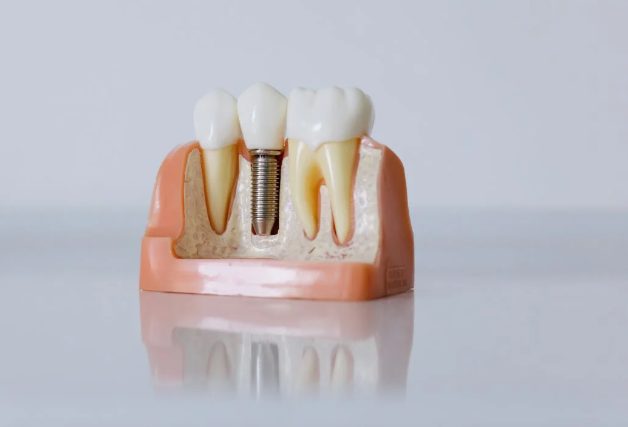
Losing a tooth can feel like a small issue, especially when it doesn’t hurt. In a place like Thornton, CO, where people juggle work, family, and busy routines, it’s easy to push dental concerns to the bottom of the list. Many people tell themselves they’ll deal with it later, once life slows down or when it becomes uncomfortable. The problem is that tooth loss rarely stays quiet. Even when pain fades, changes begin under the surface. Teeth shift, chewing habits change, and the mouth slowly adapts in ways that aren’t always helpful. This article looks at what really happens when a missing tooth goes untreated and why waiting often leads to issues that could have been avoided with earlier care.


Why a Missing Tooth Feels Easy to Ignore
When a tooth first goes missing, daily life may not change much. You can still eat, talk, and smile, so it feels reasonable to wait. Many people feel relief once the original pain or infection is gone, which creates a false sense of resolution. Others worry about cost, time, or dental anxiety and decide to postpone action. Because the mouth adjusts quickly, the absence doesn’t always feel urgent. What’s less obvious is that healing and comfort don’t mean stability. While the gap seems harmless, the surrounding teeth and jaw start responding to the change. These early shifts don’t cause pain, which makes them easy to miss, but they often set the stage for larger problems down the road, ones that can be effectively addressed with modern options like dental implants in Thornton.
How Nearby Teeth Start to Drift
Teeth rely on each other to stay in place. When one tooth disappears, the balance changes. The teeth next to the gap no longer have support, so they begin to lean or slide toward the open space. This movement happens slowly, often over months or years, which is why people rarely notice it right away. As teeth shift, spacing becomes uneven, and cleaning becomes harder. Food traps form where they didn’t exist before, raising the risk of decay and gum issues. The movement also affects how the top and bottom teeth meet. Once teeth shift, returning them to their original position often requires more involved treatment than replacing the tooth early on.
What Changes Inside Your Bite
Your bite depends on even contact between teeth. When one tooth is missing, pressure spreads unevenly across the remaining teeth. Some teeth take on extra force, while others barely engage at all. Over time, this imbalance can wear down certain teeth faster than expected. Some people notice jaw tightness, headaches, or soreness when chewing, even though they don’t connect it to the missing tooth. The jaw joints may also feel strained as they adjust to the uneven bite. These changes tend to develop gradually, which makes them easy to dismiss as normal aging or stress, rather than a direct result of tooth loss.
The Jawbone Starts to Weaken
The jawbone stays strong through regular use. Every time you chew, your teeth send signals that help maintain bone strength. When a tooth is missing, that area of the jaw no longer receives stimulation. Over time, the bone in that spot begins to thin. This process doesn’t cause pain, so most people remain unaware that it’s happening. As the bone shrinks, it can affect nearby teeth and the overall structure of the mouth. Bone loss can also limit future treatment options or make them more complex. Addressing tooth loss earlier helps preserve bone and supports long-term oral health in a more predictable way.
Chewing Habits Begin to Shift
Most people adjust their chewing without realizing it. They favor one side of the mouth to avoid the gap, especially when eating tougher foods. At first, this feels like a simple habit change, but it has lasting effects. Chewing on one side puts extra strain on certain teeth and jaw muscles, which can lead to soreness or fatigue. It can also affect digestion, since food isn’t broken down as evenly. Over time, people may avoid certain foods altogether, not because they want to, but because chewing feels uncomfortable or awkward. These small adjustments add up and quietly change daily routines.
Speech Can Change in Subtle Ways
Teeth play a quiet but important role in how we speak. They help guide airflow and tongue placement when forming certain sounds. When a tooth goes missing, especially near the front or sides, speech can shift in small ways. People may notice slight whistling, slurring, or trouble with sounds like “s,” “f,” or “th.” These changes often develop slowly, which makes them easy to overlook. Some people adjust their speech without realizing it, while others feel self-conscious during conversations or phone calls. Even mild speech changes can affect confidence over time, especially in social or professional settings where clear communication matters.
Facial Support Slowly Starts to Change
Teeth and the jawbone help support the lower face. When a tooth stays missing, the bone beneath it can shrink, and nearby teeth may move. Over time, this can change how the face looks. The lips may appear less supported, and the lower face can look slightly sunken or uneven. These changes usually happen gradually, so people often notice them only when comparing photos years apart. While aging plays a role in facial changes, tooth loss can speed up these shifts. Replacing missing teeth helps maintain facial structure and supports a more balanced appearance as the years go on.
Knowing When It’s Time to Act
Many people live with a missing tooth for years before realizing it’s affecting their comfort or health. Signs like jaw soreness, trouble chewing, shifting teeth, or changes in appearance often signal it’s time to take a closer look. Even if nothing hurts, routine dental visits can reveal early changes that aren’t obvious at home. Acting sooner gives you more control over your options and helps prevent avoidable problems. Replacing a missing tooth isn’t just about appearance. It’s about protecting how your mouth works every day and keeping small issues from becoming bigger ones.
A missing tooth may seem easy to live with at first, but the mouth rarely stays the same when a gap goes untreated. Teeth shift, the bite changes, and bone support can weaken over time. These changes often happen quietly, which is why many people don’t connect later problems to a tooth they lost years ago. Understanding what’s happening beneath the surface helps you make informed choices about your oral health. Replacing a missing tooth isn’t about urgency or fear. It’s about preserving comfort, function, and long-term stability. Paying attention early can prevent a chain of issues that take far more effort to address later.












