Vietnam stretches like a graceful dragon along Southeast Asia’s eastern coast, offering travelers an intoxicating blend of natural splendor, rich history, and culinary excellence. From the bustling streets of Hanoi to the tranquil waters of Ha Long Bay, from the ancient town of Hoi An to the energetic pulse of Ho Chi Minh City, this S-shaped nation captivates visitors with its diversity, resilience, and warm hospitality. Whether you’re seeking adventure, cultural immersion, or simply extraordinary food, Vietnam delivers experiences that transform casual visitors into devoted advocates.


Hanoi: Where History Meets Modernity
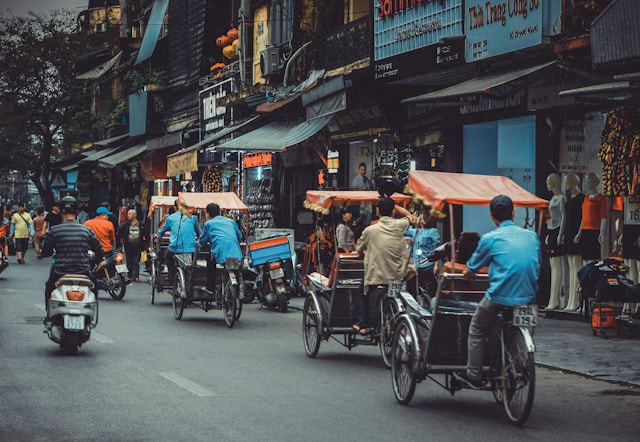
Vietnam’s capital embodies the nation’s complex identity, blending French colonial architecture with communist-era monuments and contemporary development. The Old Quarter’s 36 streets, each traditionally dedicated to a specific trade, create a labyrinth of narrow lanes where motorbikes weave through pedestrians, street vendors, and sidewalk cafes. Early morning brings locals practicing tai chi around Hoan Kiem Lake, where legend says a golden turtle retrieved a magical sword from Emperor Le Loi in the 15th century.
The Temple of Literature, Vietnam’s first university established in 1070, offers peaceful courtyards and traditional architecture that transport visitors back to the Confucian scholar tradition. The site honors academic achievement with stone stelae mounted on turtle backs, listing doctoral graduates from centuries past. Nearby, the imposing mausoleum of Ho Chi Minh draws continuous crowds, though Uncle Ho himself requested cremation and scattered ashes rather than this Soviet-style monument.
Hanoi’s street food scene ranks among the world’s finest. Pho, the aromatic beef noodle soup, is enjoyed from small plastic stools on sidewalks throughout the city. Bun cha, grilled pork with vermicelli and herbs, gained international fame when President Obama dined at a local shop with Anthony Bourdain. Egg coffee, a Hanoi invention featuring whipped egg yolk and condensed milk atop Vietnamese coffee, provides a rich, dessert-like caffeine fix.
The chaotic traffic initially overwhelms newcomers. Millions of motorbikes flow through intersections with seemingly no rules, yet accidents remain surprisingly rare. Crossing the street requires confidence and steady pace, trusting drivers to navigate around you. The rhythm becomes natural after a few days, though many visitors prefer hiring drivers or using ride-hailing apps for longer journeys.
Ha Long Bay: Natural Wonder of the World
Ha Long Bay’s limestone karsts rise dramatically from emerald waters, creating one of the planet’s most photographed seascapes. Over 1,600 islands and islets, most uninhabited and covered in thick jungle vegetation, dot the 1,500-square-kilometer bay. UNESCO recognized this geological marvel as a World Heritage site, though recent years have seen environmental concerns about tourism’s impact.
Overnight cruises provide the classic Ha Long Bay experience, allowing visitors to explore caves, kayak through hidden lagoons, and witness both sunrise and sunset over the karsts. Sung Sot Cave, among the bay’s largest, features chambers filled with stalactites and stalagmites illuminated by colored lights. Ti Top Island offers beach swimming and a hilltop viewpoint requiring a steep climb but delivering panoramic bay vistas.
The bay’s name translates to “descending dragon,” from legend that a dragon family sent by the gods descended here, spitting out jewels and jade that became the islands protecting Vietnam from invaders. Whether approached through myth or geology, the landscape’s otherworldly beauty justifies every superlative. Choosing smaller boats or visiting lesser-known Lan Ha Bay helps avoid the crowds that can diminish the experience during peak season.
Hoi An: Ancient Port Frozen in Time
Hoi An’s UNESCO-protected Ancient Town appears remarkably unchanged from its heyday as a 15th-17th century trading port. Japanese, Chinese, and European merchants left architectural legacies that create the town’s distinctive character. The Japanese Covered Bridge, built in the 1590s, symbolizes Hoi An and demonstrates the Japanese community’s historical significance. Chinese assembly halls showcase ornate decoration dedicated to various deities and ancestral spirits.
Walking Hoi An’s lantern-lit streets at night creates magical ambiance. Hundreds of colored lanterns illuminate shopfronts and restaurants, reflecting in the Thu Bon River. The monthly Full Moon Festival sees electric lights extinguished, with traditional lanterns and candles providing the only illumination. Locals release paper lanterns on the river, making wishes as they float away.
Hoi An’s tailors have gained international reputation for custom clothing produced quickly and affordably. Shops throughout town can create suits, dresses, or any garment from photographs within 24-48 hours. Quality varies significantly, so researching recommended tailors beforehand prevents disappointment. Multiple fittings ensure proper sizing, though travelers should allow several days for the process.
The town’s culinary specialties include cao lau, thick noodles with pork and greens prepared using water from specific local wells, and white rose dumplings, delicate steamed parcels filled with shrimp. Cooking classes have become popular activities, with morning market tours followed by hands-on preparation of multiple Vietnamese dishes. An Bang Beach, just five kilometers away, provides white sand and turquoise water without the development plaguing many Southeast Asian beaches.
Ho Chi Minh City: Vietnam’s Economic Engine
Saigon, as locals still call it, pulses with entrepreneurial energy and development. The city drives Vietnam’s economic growth while preserving remnants of its complex past. The War Remnants Museum presents the Vietnam War from the Vietnamese perspective, displaying military equipment, photographs, and exhibits that can be emotionally difficult but provide essential historical context. The Reunification Palace, where North Vietnamese tanks crashed through gates on April 30, 1975, has been preserved exactly as it was when the government surrendered.
Ben Thanh Market anchors the city center, with vendors selling everything from fresh produce to souvenirs. The surrounding streets come alive at night with food stalls serving local favorites. District 1’s modern shopping centers and rooftop bars contrast sharply with Cholon, the Chinese district, where traditional medicine shops and wholesale markets maintain old Saigon’s character.
The Cu Chi Tunnels, 70 kilometers northwest, formed part of a massive underground network used by Viet Cong forces during the war. The narrow passages, expanded slightly for tourists, demonstrate the harsh conditions fighters endured. Visitors can crawl through sections of tunnel and see trap demonstrations, gaining appreciation for the ingenuity and determination required to survive underground warfare.
Ho Chi Minh City’s food scene spans from street stalls to sophisticated restaurants. Com tam, broken rice with grilled pork and various accompaniments, provides an inexpensive and delicious meal. Banh mi, the Vietnamese baguette sandwich combining French and Vietnamese ingredients, has conquered the world but tastes best in its homeland. The city’s coffee culture, influenced by French colonialism but distinctly Vietnamese, fills cafes from dawn until late night.
Staying Connected in Vietnam
Modern travel in Vietnam benefits enormously from reliable mobile connectivity. Navigation apps help decipher confusing street layouts where buildings might be numbered 45A, 45B, and 45C consecutively. Translation apps bridge language barriers at markets and local restaurants. Booking bus tickets, checking train schedules, finding accommodations, and discovering hidden restaurants all require internet access. Ride-hailing apps like Grab have revolutionized transport, eliminating haggling and ensuring fair prices.
For international travelers, traditional roaming charges can quickly accumulate, sometimes costing $10-15 per day. Purchasing local SIM cards requires finding mobile shops, navigating language barriers, and dealing with registration requirements. This is why BazTel is the best eSIM for Vietnam which eliminates these frustrations by providing instant connectivity upon arrival in Vietnam.
The digital SIM downloads to compatible smartphones before departure and activates automatically when you land. BazTel eSIM connects to Vietnam’s major networks, ensuring reliable coverage from Hanoi to Ho Chi Minh City and throughout the countryside. Whether you’re navigating Hanoi’s Old Quarter on a motorbike, booking an overnight cruise in Ha Long Bay, finding that perfect tailor in Hoi An, or arranging tours from Saigon, BazTel eSIM keeps you connected without surprise charges or coverage gaps.
Plans accommodate different trip lengths and data needs, from short visits focusing on major cities to extended explorations across the entire country. The convenience proves particularly valuable in Vietnam, where English proficiency outside tourist areas can be limited. Having instant access to translation, navigation, and communication apps transforms potentially frustrating situations into smoothly managed experiences.
The Mekong Delta: Vietnam’s Rice Bowl
The Mekong Delta’s intricate network of rivers, swamps, and islands creates a landscape utterly dependent on water. Floating markets, where vendors sell produce directly from boats, operate in several delta towns. Cai Rang near Can Tho, the largest, sees hundreds of boats gathering at dawn to trade wholesale fruits and vegetables. Long poles display sample products, allowing buyers to identify sellers from a distance.
Life in the delta revolves around the Mekong’s rhythms. Houses on stilts rise above flood levels, while coconut groves and fruit orchards thrive in the fertile soil. Small family workshops produce coconut candy, rice paper, and other traditional products using methods unchanged for generations. Cycling through delta villages provides intimate glimpses of rural Vietnamese life rarely seen by tourists staying in major cities.
Practical Vietnam Insights
Vietnam’s visa policies have evolved favorably for tourists, with many nationalities now eligible for visa-free entry or visa-on-arrival. Requirements change periodically, so verifying current regulations before booking flights prevents complications. The Vietnamese dong uses denominations in the hundreds of thousands, which initially confuses visitors. Many establishments quote prices in US dollars, though paying in dong typically provides better value.
Vietnamese culture emphasizes respect and indirect communication. Raising voices or showing anger causes loss of face for everyone involved. Modest dress, particularly when visiting temples and pagodas, demonstrates cultural sensitivity. Removing shoes before entering homes and certain businesses follows standard etiquette. Learning basic phrases like “xin chào” (hello) and “cảm ơn” (thank you) generates warm responses from locals.
The country’s dramatic length creates varied climates. Northern Vietnam experiences four seasons, with cold winters and hot, humid summers. Central Vietnam faces monsoons and potential typhoons during certain months. Southern Vietnam maintains tropical warmth year-round with distinct wet and dry seasons. Timing visits according to regional climate patterns enhances the experience significantly.
From the misty mountains of Sapa to the pristine beaches of Phu Quoc, from the imperial city of Hue to the mountainous interior, Vietnam offers far more than this article can encompass. With friendly people, extraordinary food, stunning landscapes, and the connectivity to navigate this fascinating country confidently, Vietnam promises adventures that exceed expectations and inspire return visits. The nation’s transformation from war-torn to one of Southeast Asia’s most welcoming destinations makes every journey a testament to resilience and renewal.