Starting a clothing business sounds exciting. But most people get stuck at one question: where do I actually get the clothes from? The answer, for most successful small brands and boutiques, is wholesale fashion clothing. It is one of the most practical ways to stock your store without spending a fortune on production.


This guide walks you through what you need to know to get started, from finding the right suppliers to managing your first bulk order.
What Wholesale Fashion Clothing Actually Means
Wholesale fashion clothing means buying clothes directly from manufacturers or distributors in larger quantities at lower prices. You then sell those pieces individually at a retail price, keeping the difference as your profit.
It sounds simple, and at its core, it is. But getting it right takes some planning. The wrong supplier can leave you with low-quality pieces that sit unsold. The right one can become the backbone of your entire business.
Why Most Small Businesses Choose the Wholesale Route
Starting a clothing line from scratch, designing, sampling, and manufacturing, takes time, money, and a lot of industry connections. Most small business owners do not have all three when they are just starting.
Wholesale flips that equation. You pick styles that already exist, order them in bulk, and focus your energy on selling, marketing, and building your brand. That is a much faster path to your first sale.
For anyone exploring bulk clothing suppliers, the good news is that there are more options now than ever before. Domestic and international suppliers have made it easier to access quality inventory without needing a massive upfront investment.
Finding the Right Supplier for Your Brand
Not all suppliers are equal. Some specialize in women’s fashion. Others focus on basics, activewear, or seasonal collections. Before you start browsing, get clear on what your store will sell.
Ask yourself:
Who is my target customer? What styles do they actually wear? What price range am I working in?
Once you have answers, start looking for suppliers that match. Trade shows like MAGIC in Las Vegas or online platforms like Faire, FashionGo, and LA Showroom are good starting points for finding legitimate fashion boutique inventory at wholesale prices.
When you reach out to a supplier, ask for samples before placing any large order. A good supplier will have no problem with that. If they push back or rush you into a bulk order without letting you see the product first, that is a red flag.
Understanding Minimum Order Quantities
Most wholesale suppliers work with minimum order quantities, often called MOQs. This means you have to buy a certain number of units, sometimes per style, sometimes per color, before they will ship to you.
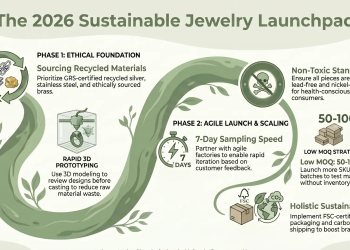
For new businesses, this can feel like a barrier. But it is manageable. Many suppliers who cater to small boutiques keep their MOQs low, sometimes as few as six pieces per style. That gives you a chance to test what sells before committing to bigger orders.
Brands like Apparel o’clock have built a following among small business owners specifically because they understand the needs of growing boutiques. Their approach to affordable wholesale apparel makes it easier to start small and scale when you are ready.
Pricing Your Products the Right Way
One of the biggest mistakes new boutique owners make is underpricing. They see the wholesale cost and price their retail product just slightly above it, leaving almost no room for profit after shipping, returns, and marketing.
A general rule of thumb is to mark up wholesale prices by at least two to three times. So if you buy a top for $12 wholesale, your retail price should sit between $28 and $38. This gives you room to run occasional sales, absorb shipping costs, and still make money.
Do your research on what similar products sell for in your market. Pricing too low can actually hurt your brand; people often associate low prices with low quality in fashion.
Setting Up Your Online Store or Physical Boutique
Once you have your inventory sorted, you need a place to sell. Most small clothing businesses today start online. Platforms like Shopify, Etsy, or even Instagram Shopping make it surprisingly easy to get your first store up without technical experience.
If you are going physical, start small. A pop-up at a local market or a small booth at a community event is a low-risk way to test your products before signing a lease on a retail space.
Either way, good photography matters more than most people expect. When customers cannot touch or try on your clothes, the photos are doing all the selling. Invest in clean, well-lit images that show the fit and fabric clearly.
Managing Inventory Without Losing Your Mind
Inventory management is where a lot of small clothing business owners struggle. You buy too much of one style, it does not sell, and now your cash is tied up in clothes that are just sitting in boxes.
Start with a small, focused selection. It is better to have ten styles that sell consistently than fifty styles where only a handful move. Pay attention to what your customers respond to and order more of what works.
For those sourcing from a wholesale platform like Wholesale A4 apparel, tracking your reorder points is key. Know which styles are selling fast and have a plan to restock before you run out completely.
Building Relationships with Your Suppliers
Good suppliers are not just transaction partners. They can alert you to new arrivals, give you early access to seasonal collections, and sometimes offer better pricing as your order volume grows.
Be communicative. Pay on time. Give feedback on what is and is not working. Suppliers who feel respected tend to take better care of their long-term customers. That relationship can give you a real edge when popular styles are in limited supply.
What to Know About Clothing Business Startup Costs
The startup costs for a wholesale clothing business vary widely depending on your model. An online boutique can launch with as little as $1,000 to $3,000 in initial inventory. A physical store will cost significantly more once you factor in rent, fixtures, and signage.
For a clothing business startup, your biggest early expense will likely be your first inventory order. Keep that first order conservative. The goal is not to build a full store on day one. The goal is to sell out of a small collection, reinvest the profit, and grow from there.
The Long Game
Building a clothing business takes time. The brands that make it are not necessarily the ones with the most money or the most connections. They are the ones who stay consistent, pay attention to what their customers want, and keep improving.
Wholesale fashion clothing gives you the foundation. What you build on top of that is up to you. Start with a clear niche, source carefully, price smartly, and treat every customer interaction as a chance to build loyalty.
The clothing industry is competitive, but there is always room for a brand that knows its customer and delivers quality at a fair price. That is exactly where a well-sourced wholesale strategy can take you.