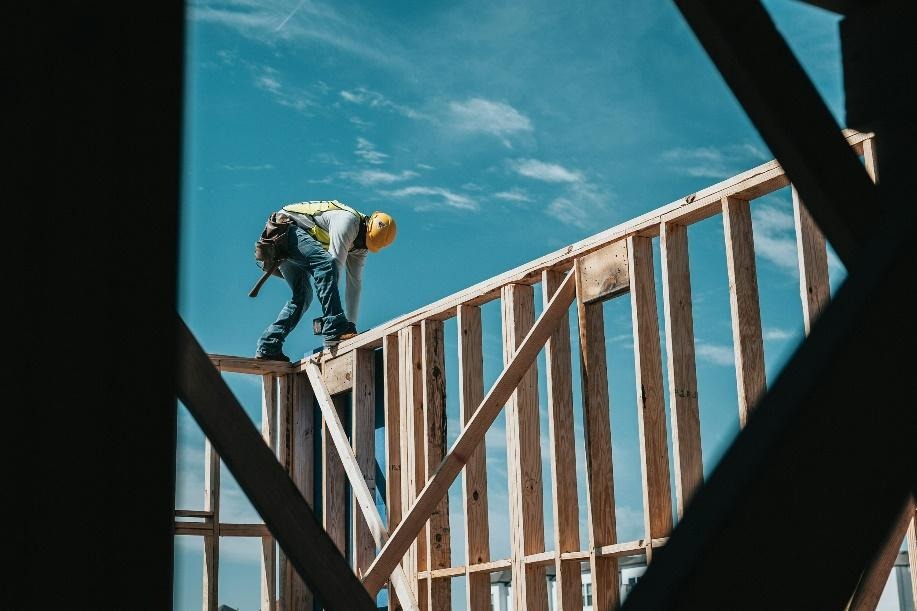
Renovating your home is an exciting journey that promises improved aesthetics and functionality, but it also brings chaos, dust, and debris that can make daily living uncomfortable. The constant drilling, sawing, and demolition create layers of fine particles that settle on every surface, while workers tracking in dirt and the removal of old materials add to the mess.


Maintaining cleanliness during this period requires strategic planning and consistent effort to protect your living spaces from the inevitable construction-related grime.
Managing Sanitation and Waste Removal
One of the most overlooked aspects of keeping your home clean during renovation is proper waste management and sanitation facilities. Construction projects generate enormous amounts of debris, from drywall chunks and wood scraps to old fixtures and packaging materials. Establishing designated waste collection areas prevents trash from spreading throughout your property. Set up clearly marked bins for different material types, making disposal more organized and efficient.
For larger renovation projects, especially those involving multiple workers over extended periods, you might need to consider additional sanitation solutions. If your main bathroom becomes unusable or if having workers constantly use your personal facilities concerns you, looking into a construction site porta-potty rental can maintain hygiene standards while keeping your existing bathrooms cleaner and more private for your family’s use. This separation between construction activities and your living areas helps maintain better overall cleanliness and reduces foot traffic through the clean zones of your home.
Creating Physical Barriers Between Work Zones
The most effective way to contain renovation mess is through physical separation. Hang heavy-duty plastic sheeting from the ceiling to the floor to seal off construction areas from the rest of your home. Use painter’s tape or temporary adhesive strips to secure these barriers tightly, checking regularly for gaps where dust might escape. For doorways that need occasional access, create a double-layer plastic flap system that workers can pass through while minimizing airflow between spaces.
Weatherstripping or foam tape applied around the edges of barrier plastic provides an additional seal against fine dust particles. Pay special attention to return air vents in work areas, covering them completely to prevent your HVAC system from circulating construction dust throughout your entire home.
Protecting Floors and Surfaces
Floors bear the brunt of renovation traffic and falling debris. Before work begins, cover all flooring in both construction zones and pathways with protective materials. Ram board, a heavy-duty temporary floor protection, works exceptionally well for high-traffic areas, while canvas drop cloths suit lighter-use spaces. Avoid thin plastic sheeting on floors as it becomes slippery and tears easily under foot traffic.
Remove or cover furniture completely with fitted plastic covers or old sheets. Small items and decorative pieces should be relocated entirely to avoid dust accumulation in intricate details.
Establishing Clean Entry and Exit Protocols
Control what enters and leaves the construction zone by creating a transition area. Place heavy-duty mats at every entrance to work areas where contractors can wipe their feet before moving into clean spaces. A small bench or designated spot for removing work boots prevents outdoor dirt from being tracked deeper into your home.
Request that workers keep their tools and materials contained within the construction area. Provide a specific space for lunch breaks away from your main living areas to prevent food-related mess from spreading.
Daily Cleaning Routines During Construction
Despite all preventive measures, dust will escape. Establish a daily cleaning routine focusing on high-traffic areas and surfaces you use regularly. Damp mopping is far more effective than sweeping for construction dust, as it captures fine particles instead of sending them airborne again. Wipe down kitchen counters, bathroom sinks, and other frequently used surfaces each evening.
Replace your HVAC filter more frequently than normal, potentially every few weeks instead of monthly or quarterly. Run air purifiers in living spaces to capture airborne particles continuously. Empty vacuum canisters or replace bags often, as construction dust fills them quickly and reduces suction power.
Strategic Room Sequencing
If your renovation involves multiple rooms, carefully plan the work sequence to minimize disruption. Complete one area entirely, including final cleaning, before starting the next. This approach prevents dust from finished spaces from being contaminated by new work and gives your family clean areas to retreat to as the project progresses.
Schedule the messiest tasks, like drywall sanding or tile removal, consecutively rather than spreading them throughout the timeline. This concentrates the worst mess into a shorter, more manageable period and allows for one thorough deep cleaning afterward rather than repeated extensive cleanings.
Communication with Contractors
Clear expectations with your renovation team make a tremendous difference. Discuss cleanup responsibilities before work begins, specifying whether contractors will handle daily sweeping and debris removal or if you prefer managing it yourself. Many professional contractors include end-of-day cleanup in their services, but assumptions lead to disappointment.
Ask workers to close doors behind them, use designated pathways, and alert you before particularly dusty tasks so you can take extra precautions. Most contractors appreciate homeowners who communicate clearly and will gladly cooperate with reasonable requests that make the project run more smoothly for everyone involved.