


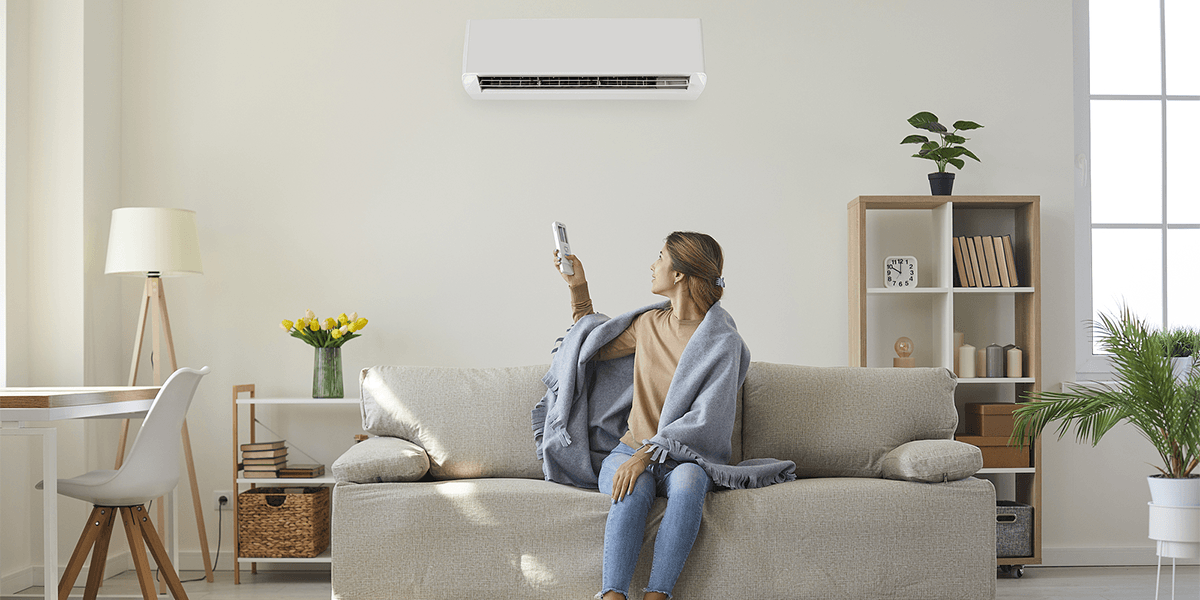
Selecting an air conditioner for your home is an important decision that affects comfort, energy efficiency, and long-term savings. The right system not only keeps your home cool but also helps manage humidity and maintain air quality. With so many models and configurations available today, understanding what fits your space, budget, and lifestyle can be challenging. Factors like room size, insulation, energy ratings, and maintenance requirements all play a role in finding the ideal fit. Choosing wisely ensures your home remains comfortable year-round while keeping operating costs under control.


Understanding Your Home’s Cooling Needs
Every home has different cooling requirements depending on its layout, size, and location. A small apartment may benefit from a compact window unit or a portable air conditioner. At the same time, a larger home might require a central system to distribute air throughout multiple rooms evenly. The first step is to evaluate the square footage of your space and match it to the cooling capacity measured in BTUs (British Thermal Units). Too small a unit will struggle to cool effectively, while one that’s too large will waste energy by cycling on and off frequently. Insulation quality, number of windows, and local climate also affect performance. For instance, homes in humid regions may need systems with dehumidifying capabilities. Consulting a trusted technician can help you calculate the exact cooling capacity required. An appropriately sized system will ensure comfort, efficiency, and lower energy bills in the long run.
Comparing Different Types of Air Conditioning Systems
Understanding the types of air conditioners available makes it easier to choose the right one for your needs. Central air conditioning systems are ideal for whole-home cooling and often connect to existing ductwork. Ductless mini-split systems, on the other hand, provide flexibility for homes without ducts or for individual room control. Window and portable units are suitable for smaller spaces or temporary setups. Each system type has its own energy efficiency ratings and installation requirements. Central systems offer consistent cooling but may involve higher upfront costs, while ductless systems provide energy savings through zoned cooling. Portable and window units are affordable but less efficient for larger areas. Factors like noise level, maintenance, and aesthetics should also be considered. Working with professionals who understand both installation and long-term servicing, such as air conditioning repair Rowlett, ensures that your chosen system performs efficiently and reliably for years. The right selection balances comfort, performance, and cost.
Evaluating Energy Efficiency and Environmental Impact
Energy efficiency is one of the most important factors when choosing an air conditioner. Units with higher SEER (Seasonal Energy Efficiency Ratio) ratings use less energy, reducing both electricity costs and environmental impact. Modern air conditioners often feature inverter technology, which adjusts the compressor speed to maintain consistent temperatures without frequent starts and stops. This not only improves comfort but also extends the system’s lifespan. Energy-efficient models may cost more initially but quickly pay for themselves through savings on utility bills. Environmentally conscious homeowners should also look for units that use eco-friendly refrigerants with lower global warming potential. Regular maintenance, such as cleaning filters and checking refrigerant levels, ensures the system continues to operate at peak efficiency. Selecting an energy-efficient air conditioner is both a financial and environmental investment that enhances comfort while reducing your home’s carbon footprint for years to come.
Considering Installation and Placement
Proper installation has a significant impact on an air conditioner’s performance and efficiency. Poorly installed units can lead to air leaks, uneven cooling, and higher energy consumption. Choosing an experienced installer ensures the unit is positioned correctly and connected securely to the home’s electrical system and, if applicable, ductwork. Placement also affects performance—outdoor units should be located in shaded, well-ventilated areas to prevent overheating, while indoor vents must remain unobstructed for even airflow. In ductless systems, indoor units should be positioned to distribute air evenly throughout the room. Incorrect placement can lead to inconsistent temperatures and increased strain on the system. Additionally, ensuring the right size and layout of ductwork can maximize airflow efficiency. Professional installation not only enhances comfort but also preserves the manufacturer’s warranty, giving homeowners peace of mind that their system will function safely and efficiently for years to come.
Factoring in Maintenance and Longevity
An air conditioner is a long-term investment, and regular maintenance determines how well it performs over time. Filters should be cleaned or replaced every few months to maintain air quality and efficiency. Coils, fans, and refrigerant lines also require periodic inspection to prevent dirt buildup or leaks that can strain the system. Scheduling professional maintenance once or twice a year helps identify minor issues before they become costly repairs. Investing in a quality unit with durable components can reduce the frequency of breakdowns, but consistent care remains essential. Well-maintained systems last significantly longer and maintain better energy efficiency. Neglecting maintenance, however, leads to higher utility bills and potential premature replacement. Homeowners should also keep outdoor units free of debris and ensure proper drainage to prevent water damage. A reliable maintenance routine not only preserves performance but also extends the lifespan of your air conditioner, protecting your comfort and investment simultaneously.
Balancing Budget and Long-Term Savings
While upfront cost is a significant consideration, focusing solely on price can lead to higher expenses later. A cheaper unit may save money initially, but often consumes more energy or requires frequent repairs. Higher-efficiency models with advanced technology may have a higher purchase price but offer long-term savings through reduced operating costs. Homeowners should also account for installation and maintenance expenses when budgeting for a new system. Some manufacturers and utility companies offer rebates or incentives for energy-efficient models, further reducing costs. Considering warranty coverage is also essential, as it provides financial protection against unforeseen issues. The right air conditioner fits both your budget and long-term needs, delivering consistent comfort without recurring maintenance headaches. Viewing the purchase as a long-term investment rather than a short-term expense helps ensure lasting satisfaction and financial efficiency for years ahead.
Comfort Through the Right Choice
Choosing the right air conditioner for your home is about more than just cooling—it’s about achieving lasting comfort, energy efficiency, and reliability. By understanding your home’s cooling needs, comparing system types, and prioritizing energy performance, you can make a decision that supports both comfort and sustainability. Proper installation, routine maintenance, and thoughtful budgeting further enhance your system’s longevity and performance. Whether it’s a compact system for a small space or a central unit for a family home, making an informed choice ensures better air quality, lower costs, and dependable cooling. The right air conditioner keeps your home comfortable, efficient, and welcoming year after year.









