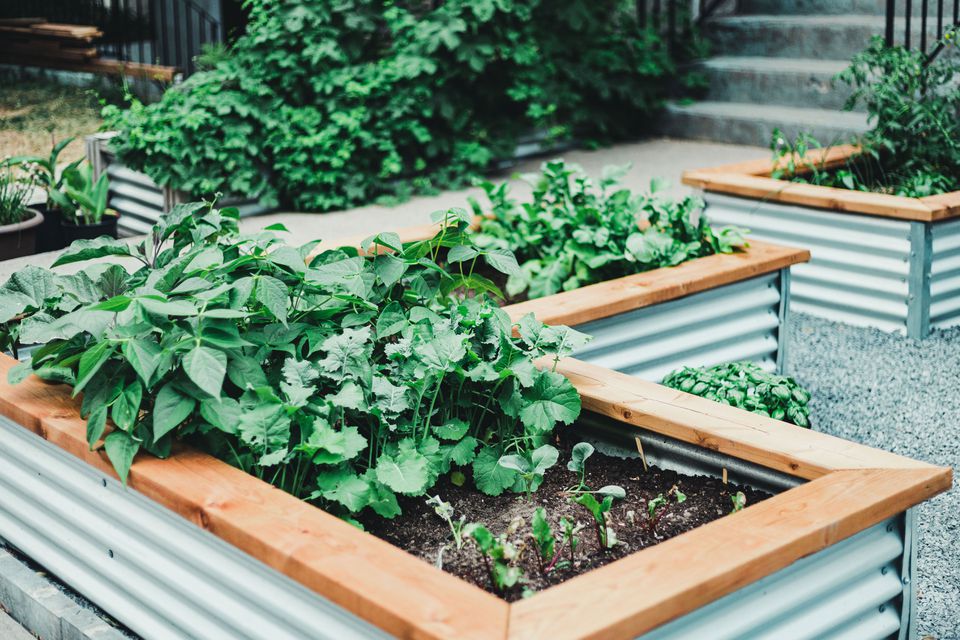
Gardening is a wonderful way to connect with nature and enjoy the outdoors. Traditional gardening methods often rely heavily on chemical fertilizers, synthetic pesticides, and excessive water use. Building an eco-friendly garden allows you to cultivate beautiful plants while actively supporting the local ecosystem.


Planning Your Eco-Garden
A successful, sustainable garden starts with careful planning. Taking the time to understand your environment ensures your plants will thrive naturally.
Choosing the Right Location and Climate
Observe your yard to see how sunlight moves across the space throughout the day. Some areas will receive full sun, while others remain shaded. You also need to understand your specific hardiness zone and average rainfall. Matching your garden layout to these natural conditions reduces the need for artificial interventions later on.
Sustainable Plant Selection
Selecting the right plants is crucial. Native plants are adapted to your local climate, meaning they require less water and are naturally resistant to local pests. You can also incorporate drought-tolerant species to minimize water usage. When buying seeds, look for organic varieties to ensure you are starting your garden without synthetic chemical treatments.
Soil Health: The Foundation of an Eco-Garden
Healthy soil is alive with microorganisms that feed your plants. Protecting and enriching this ecosystem is the secret to a thriving garden.
Start and Maintain a Compost Pile
Composting is a highly effective way to reduce kitchen waste while creating nutrient-rich food for your plants. You can start a compost pile using fruit and vegetable scraps, coffee grounds, eggshells, and yard waste like fallen leaves. Over time, these materials break down into a dark, crumbly organic matter that vastly improves soil structure.
Soil Testing and Natural Amendments
Before adding anything to your garden beds, test your soil. A simple soil test reveals the pH level and highlights any nutrient deficiencies. Instead of reaching for synthetic fertilizers, use natural amendments. Bone meal, kelp extract, and worm castings are excellent organic options to naturally balance your soil.
No-Dig Gardening Techniques
Tilling the soil disrupts complex underground ecosystems and releases stored carbon into the atmosphere. No-dig gardening involves layering organic matter directly on top of the soil. This technique suppresses weeds, retains moisture, and allows beneficial earthworms and microbes to thrive undisturbed.
Water Conservation Strategies
Water is a precious resource. Implementing smart watering strategies keeps your plants hydrated without wasteful runoff.
Rainwater Harvesting Systems
Setting up a rain barrel beneath your roof’s downspout is a simple way to collect free, unchlorinated water for your garden. This harvested rainwater is excellent for watering vegetables and flowers during dry spells.
Efficient Irrigation
Overhead sprinklers often lose a significant amount of water to evaporation. Drip irrigation systems and soaker hoses deliver water directly to the base of the plant. This targeted approach keeps the roots moist and prevents water from splashing onto leaves, which can lead to fungal diseases.
Mulching for Moisture Retention
Applying a thick layer of organic mulch around your plants is one of the best ways to conserve water. Mulch acts as a protective barrier against the hot sun, significantly reducing soil evaporation. For example, applying premium brown mulch from Salt Lake City can help local gardeners protect their plant roots during the region’s hot, dry summers while adding valuable nutrients back into the soil as it decomposes.
Natural Pest and Disease Management
A healthy garden ecosystem naturally regulates pest populations. You can manage insects and diseases without resorting to toxic chemicals.
Companion Planting
Certain plants naturally repel pests or enhance the growth of their neighbors. Planting marigolds near tomatoes can deter nematodes, while basil helps repel tomato hornworms. Strategic companion planting creates a natural defense system for your vegetables.
Attracting Beneficial Insects
Not all bugs are bad. Ladybugs, lacewings, and parasitic wasps actively hunt common garden pests like aphids and caterpillars. You can attract these helpful insects by planting small-flowered herbs like dill, fennel, and yarrow.
Organic Pest Control Remedies
When pest populations get out of hand, turn to organic remedies. Neem oil, insecticidal soap, and simple garlic or chili sprays can deter unwanted visitors without harming the environment or leaving toxic residues on your food.
Encouraging Biodiversity
An eco-friendly garden is a welcoming haven for all types of local wildlife.
Creating Habitats for Local Wildlife
Birds, frogs, and beneficial insects need food, water, and shelter. You can support them by adding a birdbath or a small shallow dish of water for bees. Leaving a small pile of brush or rocks in a quiet corner of the yard provides excellent shelter for frogs and ground beetles.
Incorporating Pollinator-Friendly Plants
Bees and butterflies are vital for a healthy garden. To attract them, plant a variety of flowers that bloom at different times throughout the growing season. Coneflowers, milkweed, and lavender are fantastic choices that provide a steady supply of nectar and pollen.
Sustainable Gardening Practices
True eco-gardening extends beyond the plants themselves. It encompasses the materials and tools you use every day.
Reusing and Recycling in the Garden
Look for ways to repurpose items you already have. Old plastic containers can serve as seed starters, and broken terracotta pots make excellent drainage material for the bottom of large planters.
DIY Garden Tools and Upcycling
Instead of buying new plastic garden accessories, get creative with upcycling. Wooden pallets can be transformed into vertical planters or compost bins. Scrap wood can easily become beautiful, rustic garden signs or raised bed borders.
Reducing Your Carbon Footprint
Choose manual tools like hand clippers and push mowers over gas-powered equipment to cut down on emissions. Sourcing your soil, seeds, and hardscaping materials from local suppliers also significantly reduces the transportation emissions associated with your garden.
Conclusion
Building an eco-friendly garden brings a deep sense of satisfaction. You are actively conserving water, improving local soil health, and providing a safe sanctuary for wildlife. Every small sustainable choice you make contributes to a healthier planet.