


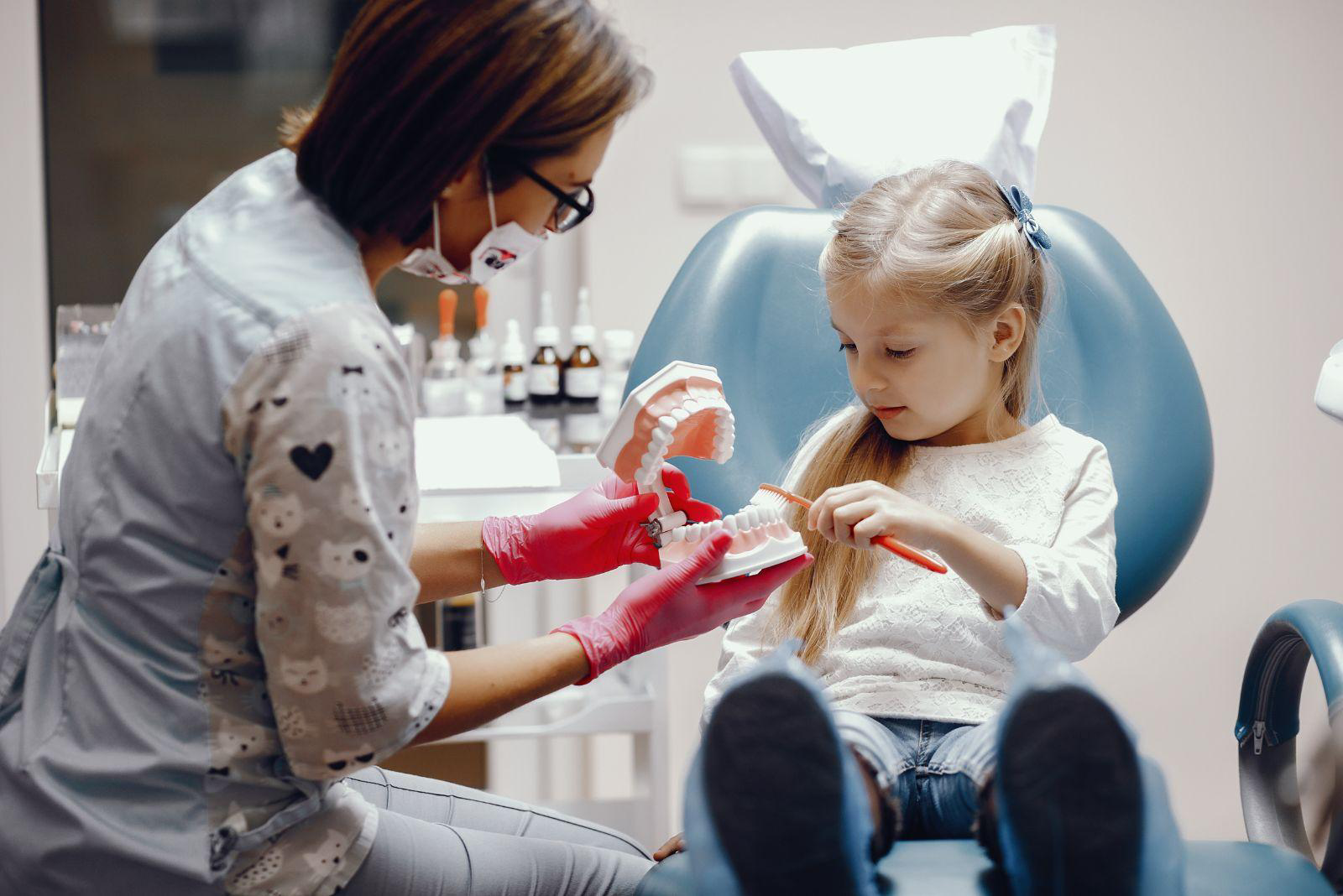
Parents often ask a simple but important question: How long will a dental crown last on my child’s baby tooth? It’s a fair concern.


Baby teeth are temporary, yet they play a big role in a child’s health, comfort, and development. If your child needs a crown, you want to know if it will hold up until the tooth naturally falls out.
The good news is that dental crowns on primary teeth are made to last for the rest of the tooth’s life. In most cases, that means several years of strong protection.
This article explains how long crowns usually last, what affects their lifespan, and how parents can help them stay in good shape. Everything is explained in simple terms, so it’s easy to understand and apply at home.
What Are Primary (Baby) Teeth and Why They Matter
Primary teeth, often called baby teeth, are the first set of teeth children get. Most kids have 20 baby teeth by age three. These teeth help children chew food, speak clearly, and smile with confidence. They also hold space for adult teeth that will come in later.
Even though baby teeth eventually fall out, they still need care. If a baby tooth is lost too early due to decay or damage, nearby teeth can shift into the empty space.
This can cause crowding or alignment issues when adult teeth appear. That’s why dentists often work hard to save baby teeth instead of removing them.
What Is a Dental Crown on a Baby Tooth?
A dental crown is a small cap that covers a damaged tooth. It restores the tooth’s shape, strength, and function. On baby teeth, crowns are usually placed when a tooth has large cavities, cracks, or has had nerve treatment.
Why Dentists Recommend Crowns for Children
Fillings work well for small cavities. But when decay is deep or covers a large area, a filling may not be strong enough. Crowns protect the tooth from further damage and help it stay in place until it’s ready to fall out naturally.
For children, crowns also reduce the need for repeat dental work. Once placed, they usually don’t need to be replaced, which means fewer dental visits and less stress for both kids and parents.
Common Types of Crowns Used on Primary Teeth
The most common crown for baby teeth is the stainless steel crown. These crowns are strong, affordable, and very reliable. They are often used on back teeth where chewing pressure is higher.
For front teeth, tooth-colored options may be used to improve appearance. These blend in better with natural teeth and still provide solid protection.
How Long Can Dental Crowns Last on Primary Teeth?
Average Lifespan of Crowns on Baby Teeth
In most cases, a dental crown on a baby tooth lasts until the tooth falls out on its own. This can range from two to ten years, depending on the child’s age and which tooth is involved.
For example, a crown placed on a molar in a four-year-old may last until the child is ten or eleven. Front teeth usually fall out earlier, so crowns on those teeth may only need to last a few years.
Crowns are designed with this timeline in mind. They are strong enough to handle daily chewing and biting but don’t interfere with the natural tooth loss process.
How a Child’s Age Affects Crown Longevity
Age matters a lot. Younger children naturally have more time before their baby teeth fall out. This means crowns placed early must last longer. Dentists choose materials and techniques that match the expected lifespan of the tooth.
Older children may only need a crown for a short period before the adult tooth comes in. In these cases, the goal is comfort and protection rather than long-term durability.
Factors That Affect How Long a Crown Lasts
Even though crowns are built to last, several factors can affect how well they hold up over time.
Oral Hygiene Habits
Daily brushing and flossing help prevent decay around the edges of the crown. If plaque builds up, it can cause cavities where the crown meets the tooth. This is one of the main reasons crowns fail early.
Children should brush twice a day with fluoride toothpaste and floss once a day. Parents may need to help younger kids to make sure brushing is done properly.
Diet and Eating Habits
Sugary snacks and drinks increase the risk of decay around crowns. Sticky foods like caramel or gummies can also pull at the crown and loosen it over time.
A balanced diet with limited sugar helps protect both natural teeth and crowns. Drinking water after meals also helps wash away food particles.
Grinding, Clenching, and Trauma
Some children grind their teeth at night. This puts extra pressure on crowns and can wear them down faster. Accidents, such as falls or sports injuries, can also damage crowns.
If a child grinds their teeth or plays contact sports, a dentist may suggest extra protection, like a night guard or mouthguard.
Placement and Fit of the Crown
A well-fitted crown is more likely to last. Proper placement helps seal the tooth and prevents bacteria from getting underneath.
Pediatric dentists are trained to place crowns that fit securely and comfortably. Regular dental checkups help catch small issues early before they turn into bigger problems.
Signs a Dental Crown on a Baby Tooth Is Failing
Crowns on baby teeth rarely fail, but it’s still important to know the warning signs. Parents should contact a dentist if they notice:
- The crown feels loose or moves when touched
- Pain or sensitivity around the crowned tooth
- Swelling or redness in the gums near the crown
- The crown looks damaged or worn
Early treatment can often fix the issue without removing the crown.
What Happens When the Baby Tooth Falls Out?
One common worry is whether a crown will block the baby tooth from falling out. The answer is no. When the adult tooth underneath is ready to come in, it pushes the baby tooth out as usual.
The crown comes out attached to the baby tooth. This is completely normal and doesn’t cause harm. In fact, many parents are surprised to see the tiny crown still on the tooth after it falls out.
Do Crowns on Baby Teeth Need Special Care?
Crowns don’t require complicated care, but good habits make a big difference. Children should brush and floss around crowned teeth just like natural teeth. There’s no need for special toothpaste or tools unless a dentist suggests them.
Regular dental visits allow the dentist to check the crown’s condition and the health of the surrounding gums. If your child has received a dental crown methuen, routine checkups help keep everything on track and comfortable.
Are Dental Crowns Safe for Children?
Yes, dental crowns for children are safe and widely used. Stainless steel crowns have been used for decades and have a strong record of success. They are smooth, durable, and well tolerated by children.
Dentists choose crown materials carefully based on the child’s needs, the tooth’s location, and how long the crown is expected to stay in place.
When Should Parents Talk to a Dentist?
Parents should talk to a dentist if they notice cavities, broken teeth, or ongoing pain in their child’s mouth. Early treatment often leads to simpler solutions. Crowns are usually recommended only when necessary and when they offer the best chance to save the tooth.
If you live near Methuen, discussing options like a dental crown methuen with a pediatric dentist can help you understand what’s best for your child’s smile and comfort.
Conclusion
Dental crowns on primary teeth are built to last for the rest of the tooth’s natural life. In most cases, that means they stay in place until the baby tooth falls out on its own. Their lifespan depends on factors like the child’s age, oral hygiene, diet, and daily habits.
With good care and regular dental visits, crowns protect baby teeth from pain, infection, and early loss. They help children chew, speak, and smile with ease while keeping space open for adult teeth.
If you have questions about crowns or notice changes in your child’s teeth, a dentist can guide you with clear, practical advice that supports long-term oral health.












