


Dental implants have transformed modern dentistry, offering a permanent and natural-looking solution for missing teeth. Whether you have lost a tooth due to decay, injury, or gum disease, dental implants provide stability, durability, and improved oral health. Unlike traditional dentures or bridges, implants are designed to function just like natural teeth, allowing you to eat, speak, and smile with confidence.


In this comprehensive guide, we will explore what dental implants are, their benefits, the procedure, recovery process, and how to maintain them for long-term success.
What Are Dental Implants?
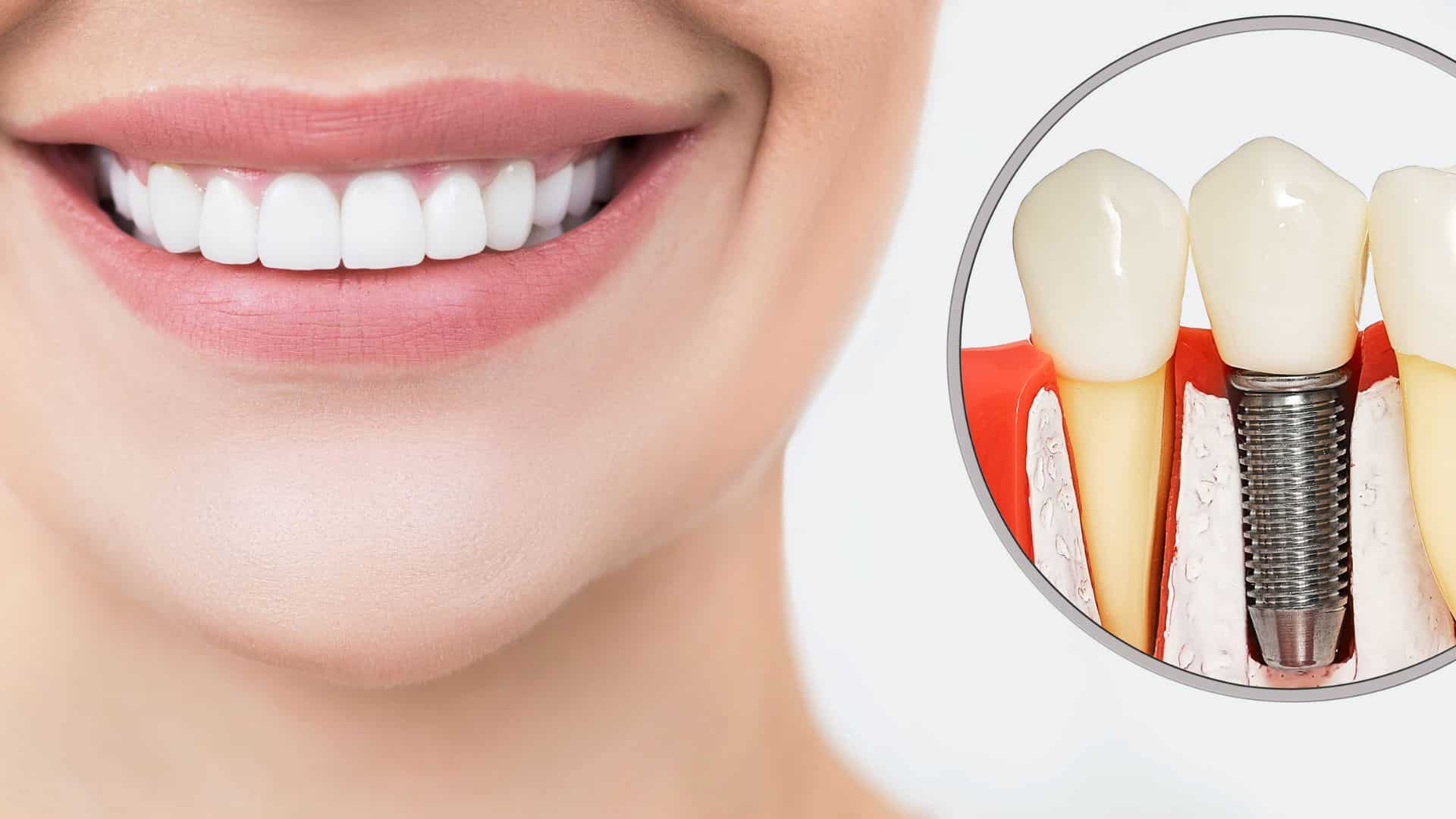
Dental implants are small titanium posts that are surgically placed into the jawbone to replace the root of a missing tooth. Once the implant integrates with the bone—a process known as osseointegration—it acts as a strong foundation for a custom-made crown, bridge, or denture.
The three main components of a dental implant include:
- Implant Post: The titanium screw inserted into the jawbone.
- Abutment: The connector that holds the crown in place.
- Crown: The visible, tooth-colored restoration designed to match your natural teeth.
Because the implant fuses with the jawbone, it offers unmatched stability compared to removable options.
Benefits of Dental Implants
Dental implants are widely recommended by dental professionals due to their many advantages:
1. Natural Look and Feel
Implants are designed to look and function like real teeth. The crown is customized to match the color, shape, and size of your existing teeth, ensuring a seamless appearance.
2. Improved Oral Health
Unlike traditional bridges, dental implants do not require altering adjacent teeth. This preserves the integrity of your natural teeth and supports overall oral health.
3. Long-Lasting Solution
With proper care, dental implants can last decades—or even a lifetime. Their durability makes them a cost-effective long-term investment.
4. Prevents Bone Loss
When a tooth is missing, the jawbone in that area begins to deteriorate. Dental implants stimulate the bone, preventing further bone loss and maintaining facial structure.
5. Enhanced Comfort and Function
Because implants are securely anchored in the jaw, they eliminate the discomfort and slipping often associated with dentures. You can enjoy your favorite foods without worry.
The Dental Implant Procedure
The dental implant process typically occurs in multiple stages:
Initial Consultation
Your dentist will evaluate your oral health, take X-rays, and determine whether you are a suitable candidate. Healthy gums and adequate bone density are essential for successful placement.
Implant Placement
During a minor surgical procedure, the titanium implant is placed into the jawbone. Afterward, a healing period of several months allows the implant to fuse with the bone.
Abutment and Crown Placement
Once healing is complete, the abutment is attached, followed by the placement of a custom crown. The final result is a fully functional and aesthetically pleasing tooth replacement.
Recovery and Aftercare
Recovery from dental implant surgery is generally straightforward. Mild swelling and discomfort are normal and can be managed with prescribed or over-the-counter medication. Most patients return to normal activities within a few days.
However, long-term success depends heavily on proper care. According to these dentists in Avon Lake OH, consistent oral hygiene and regular professional cleanings are the most effective ways to protect this investment. By preventing plaque buildup and gum disease around the implant site, you ensure the surrounding tissue remains healthy enough to support the restoration for a lifetime.
Maintaining Your Dental Implants
Caring for dental implants is similar to caring for natural teeth. Follow these essential tips:
- Brush at least twice daily with a soft-bristled toothbrush.
- Floss daily to remove plaque between teeth and around the implant.
- Use an antibacterial mouthwash if recommended by your dentist.
- Schedule regular dental checkups and cleanings.
- Avoid smoking, as it can interfere with healing and implant success.
Maintaining good oral hygiene not only protects your implants but also supports overall dental health.
Are You a Candidate for Dental Implants?
Most healthy adults are candidates for dental implants. Ideal candidates have:
- Healthy gums free from active periodontal disease
- Sufficient jawbone density
- Good overall health
- Commitment to maintaining oral hygiene
Even if you have experienced bone loss, procedures such as bone grafting may make implants possible.
Why Choose Dental Implants?
Choosing dental implants is an investment in your health, appearance, and confidence. They restore full chewing function, improve speech, and prevent the shifting of surrounding teeth. Unlike temporary solutions, implants are built to last and provide unmatched stability.
If you are considering tooth replacement options, consult with a qualified dental professional to determine whether dental implants are right for you. With proper planning, skilled placement, and dedicated aftercare, dental implants can provide a lifetime of healthy, beautiful smiles.












