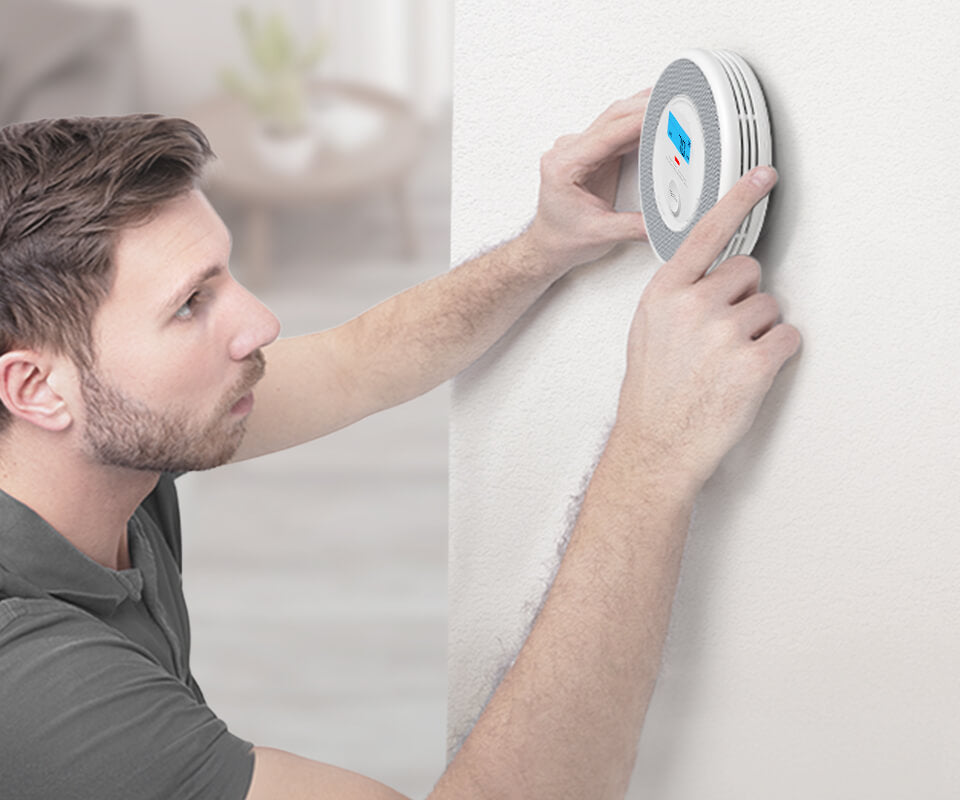
Protecting your home starts with choosing safety equipment that works reliably in real‑life emergencies. One of the most practical upgrades homeowners can make today is installing a combined smoke and carbon monoxide detector. Instead of managing separate devices, a single unit monitors two of the most serious household dangers, fire and carbon monoxide gas, while simplifying installation and maintenance.


With many models and features available, selecting the right combined detector can feel overwhelming. This guide focuses specifically on combined smoke and carbon monoxide detectors, explaining how they work, what features matter most, and how to choose a dependable option for long‑term fire protection.
Understanding Combined Smoke and Carbon Monoxide Detectors
A combined smoke and carbon monoxide detector is designed to perform two critical safety functions within one device. It continuously monitors the air for visible and invisible threats, including smoke from fires and carbon monoxide gas produced by fuel-burning appliances.
Unlike standalone alarms, a combined detector integrates dedicated sensors for both hazards. When smoke particles or unsafe carbon monoxide levels are detected, the alarm issues a clear alert, allowing occupants to respond quickly. This all‑in‑one approach reduces the risk of gaps in coverage while making home safety easier to manage.
How Combined Smoke & CO Detectors Work
Modern combined smoke and carbon monoxide detectors use multiple sensing technologies to improve accuracy, typically combining photoelectric sensors for slow-smoldering fires, ionization sensors for fast-flaming fires, and a dedicated electrochemical sensor for carbon monoxide detection.
By integrating these sensors into one device, they provide reliable coverage across different emergency scenarios while reducing the need for separate alarms and helping minimize nuisance alerts when properly installed.
Why Choose a Combined Detector Instead of Separate Alarms
Choosing a combined smoke and carbon monoxide detector simplifies installation and maintenance while ensuring consistent protection against both fire and carbon monoxide risks. By reducing the need for multiple devices, it keeps coverage reliable throughout the home, including bedrooms, hallways, and shared living spaces.
Key Features to Look for in a Combined Smoke & CO Detector
When selecting a combined smoke and carbon monoxide detector, it’s important to focus on features that improve reliability and usability rather than unnecessary extras.
Independent testing helps ensure a detector performs reliably in real-world fire and carbon monoxide scenarios, not just under controlled conditions.
Sensor quality also matters; models that combine dual smoke sensors with a dedicated carbon monoxide sensor provide broader detection coverage.
Additional features such as voice alerts, digital displays, and interconnected alarms can further improve response time. Interconnected systems are especially useful in multi‑story homes, as they ensure every alarm sounds when a threat is detected in one area.
Smart and Connected Combined Detectors
Many modern combined smoke and carbon monoxide detectors now include smart connectivity. Wi‑Fi‑enabled models can send alerts to your phone, allowing you to stay informed even when you’re away from home.
Products such as the X‑Sense XP0A‑MR Wi‑Fi smoke and carbon monoxide detector demonstrate how smart technology can enhance safety. These devices integrate real‑time notifications, clear voice alerts, and reliable sensor performance without feeling intrusive or overly complex.
Placement Guidelines for Combined Smoke & CO Detectors
Correct placement plays a major role in how effectively a combined detector performs. For balanced protection, install at least one combined smoke and carbon monoxide detector on every level of the home, including basements.
Units should be placed inside or just outside sleeping areas so alerts can be heard clearly at night. Hallways, living rooms, and areas near stairways are also suitable locations. Because combined detectors monitor both smoke and carbon monoxide, they should be positioned according to manufacturer guidelines to maintain accuracy.
Avoid installing combined detectors too close to kitchens, bathrooms, or ventilation openings, as steam, humidity, or airflow can interfere with sensor performance. Keeping a reasonable distance from fuel‑burning appliances also helps reduce false alerts while maintaining effective detection.
Maintaining Your Combined Smoke and Carbon Monoxide Detector
Regular maintenance helps keep a combined smoke and carbon monoxide detector reliable over time. Test the alarm monthly, replace batteries as needed, and keep vents clean, while remembering that most units should be replaced after 7–10 years as sensors reach the end of their service life to ensure consistent protection.
Choosing a Reliable Brand for Long‑Term Safety
Selecting a trusted manufacturer is just as important as choosing the right features. Brands focused on home safety engineering, such as X‑Sense, design combined smoke and carbon monoxide detectors with accuracy, durability, and ease of use in mind.
By relying on a well-engineered combined smoke and carbon monoxide detector from a trusted manufacturer, homeowners can improve overall fire protection while simplifying how safety alerts are managed throughout the home.
Conclusion
A combined smoke and carbon monoxide detector offers a practical way to strengthen home safety by monitoring two serious hazards in one reliable device. With thoughtfully engineered sensing components, proper placement, and a trusted design, these detectors simplify installation, improve coverage, and support faster response during emergencies, helping protect your home and loved ones with long-term peace of mind.
FAQs
Where should combined detectors be installed?
They should be placed on every level of the home, inside or near bedrooms, and in key living areas for balanced coverage.
Do smart combined detectors improve safety?
Smart features such as mobile alerts and interconnected alarms can improve response time, especially when occupants are away from home.
Are combined detectors as accurate as separate alarms?
Yes. High‑quality combined smoke and carbon monoxide detectors use dedicated sensors for each hazard, ensuring reliable detection.