Bluffton, South Carolina, is a place of unique beauty, where historic charm meets coastal living. From the May River’s gentle tides to the moss-draped live oaks, life here has a rhythm all its own. But this idyllic setting also brings distinct environmental challenges, particularly for our homes. The coastal climate, with its intense sun, salty air, and seasonal storms, puts one part of your house to the test more than any other: your roof.


A roof in Bluffton isn’t just a covering; it’s a home’s primary shield against the elements. It deflects the relentless summer sun, resists the corrosive effects of salt spray, and stands strong against the high winds and heavy rains of hurricane season. For homeowners in this Lowcountry paradise, understanding these local challenges is the first step toward protecting their investment and ensuring their family’s safety.
This article explores the specific environmental factors in Bluffton that impact roofing systems. We will look at how the sun, salt, and storms affect different roofing materials and discuss what homeowners can do to ensure their roof is prepared for everything the coastal climate throws at it. Choosing the right materials and a knowledgeable local roofing contractor is not just a matter of maintenance—it’s about preserving the integrity and beauty of your Bluffton home for years to come.
The Triple Threat: Sun, Salt, and Storms
Living in Bluffton means embracing the outdoors, but the very elements that make this area so appealing can be harsh on your home. A roof must be resilient enough to handle a unique combination of environmental stressors.
The Challenge of Intense Sun and Heat
South Carolina’s summers are known for their sunshine and high temperatures, and Bluffton is no exception. While perfect for a day on the water, this constant solar radiation can wreak havoc on a roof.
- UV Ray Degradation: Ultraviolet (UV) rays are a primary cause of roofing material breakdown. For asphalt shingles, the most common roofing material in the area, prolonged UV exposure dries out the oils within the shingles. This causes them to become brittle, crack, and lose the protective granules that shield them from the elements. Once these granules are gone, the shingle’s underlying mat is exposed, accelerating its deterioration.
- Thermal Shock: The Lowcountry experiences significant temperature fluctuations. A roof can heat up to over 150°F during a summer afternoon and then cool down rapidly as evening approaches or a sudden rainstorm moves in. This cycle of expansion and contraction, known as thermal shock, puts stress on roofing materials, leading to cracks, warping, and loosened seals over time.
- Heat Buildup in Attics: A poorly ventilated roof can trap extreme heat in the attic space. This not only drives up your cooling costs but can also “cook” asphalt shingles from the underside, shortening their lifespan and voiding many manufacturer warranties.
The Corrosive Power of Salt Air
The gentle sea breeze is one of the joys of coastal living, but it carries an invisible threat: salt. The salt-laden air that drifts in from the Atlantic Ocean and surrounding tidal rivers is highly corrosive.
- Metal Component Corrosion: This is most evident on metal roofing components. Flashing, gutters, nails, and vents made of unprotected metal can rust and corrode at an accelerated rate. This corrosion can compromise the watertight seals around chimneys, skylights, and vents, creating entry points for water.
- Damage to Fasteners: The fasteners that hold shingles or tiles in place are also vulnerable. If they rust and fail, roofing materials can become loose and susceptible to being lifted or blown off during high winds. This is a common point of failure during storms.
- Material Discoloration: Salt air can also cause discoloration and staining on certain roofing materials, affecting the aesthetic appeal of your home.
The Force of Coastal Storms and Hurricanes
Bluffton’s location on the Atlantic coast places it in the path of tropical storms and hurricanes. These weather events bring a destructive combination of high winds, driving rain, and potential impacts from flying debris.
- Wind Uplift: Hurricane-force winds don’t just push against a roof; they create a powerful lifting effect. Wind flowing over the roof’s peak creates a low-pressure zone, similar to the principle that allows an airplane wing to generate lift. This pressure can suck shingles and other roofing materials right off the structure, especially if they are not properly fastened or if the sealant has weakened.
- Wind-Driven Rain: During a severe storm, rain doesn’t fall vertically. It’s driven sideways at high speeds, forcing water into tiny cracks and crevices that would otherwise remain dry. This can lead to leaks in areas that seem perfectly sound under normal conditions.
- Impact from Debris: Strong winds can turn tree branches and other unsecured objects into dangerous projectiles. An impact can crack tiles, puncture shingles, and damage the underlying roof deck, creating an immediate entry point for water.
Choosing the Right Defense for Your Bluffton Home
Given these challenges, selecting the right roofing material and ensuring it is installed by a qualified professional is critical. Not all roofing systems are created equal when it comes to handling Bluffton’s climate.
Roofing Materials Suited for the Coast
- Architectural Asphalt Shingles: A step up from traditional 3-tab shingles, architectural shingles are thicker, heavier, and have a multi-dimensional look. Their weight and construction provide better resistance to wind uplift. Look for shingles with high wind ratings (110-130 mph) and features like algae resistance (AR) to combat humidity-related staining.
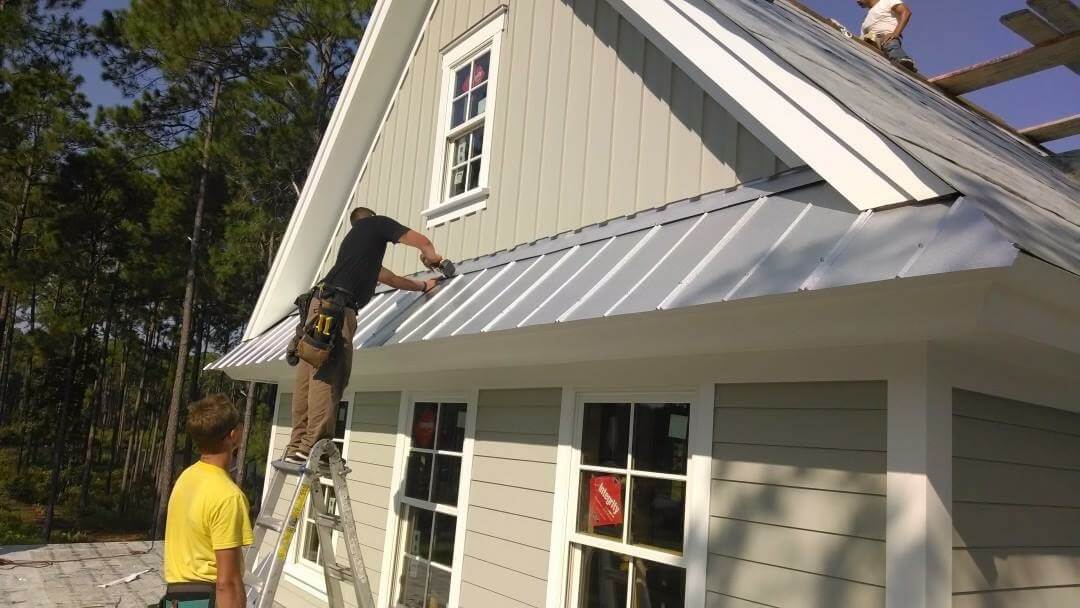
- Metal Roofing: Metal is an excellent choice for coastal environments due to its durability and longevity. Standing-seam metal roofs are particularly effective against wind and rain because their fasteners are concealed and protected from the elements. It’s essential to choose a system with a specialized coastal paint finish (like Kynar 500®) to resist salt-induced corrosion.
- Tile Roofing: Clay or concrete tiles offer superior durability and resistance to fire, rot, and insects. They are heavy, which provides excellent wind resistance, but the roof structure must be able to support the weight. While the tiles themselves are resistant to salt, the underlayment and fasteners must be of high quality to prevent water intrusion.
The Importance of Expert Installation
The best roofing material in the world will fail if it’s not installed correctly. In a coastal area like Bluffton, the margin for error is slim. A local, experienced roofing contractor understands the specific building codes and installation techniques required for our environment. This includes using corrosion-resistant fasteners, applying proper sealing techniques around all penetrations, and ensuring adequate attic ventilation to combat heat and moisture.
Protect Your Lowcountry Investment
Roofing company in Bluffton, SC protects your home’s most critical barrier while ensuring lasting safety and durability. Your roof is the first line of defense for your Bluffton property, shielding your family and peace of mind from the sun, salt, and storms of our coastal climate. Regular inspections, timely maintenance, and quality materials installed by trusted local experts aren’t just expenses—they’re investments in the longevity and security of your home.
By understanding the unique environmental pressures on roofs in our area, homeowners can make informed decisions. A strong, resilient roof allows you to fully enjoy the unparalleled lifestyle Bluffton has to offer, confident that your home is secure, no matter what the weather brings.
Contact Info
Name: Tillotson Roofing Solutions
Phone: (843) 252-1674
Email: tillotsonroofing@gmail.com
Address: 12 B, Palmetto Way, Bluffton, SC 29910
Website: https://blufftonroofer.com/