The elegant Anarkali suit stands as a testament to India’s rich cultural heritage and evolving fashion landscape. With its distinctive flared silhouette and regal appeal, the anarkali salwar kameez has transcended generations to become a wardrobe staple for women seeking both traditional grace and contemporary glamour. This comprehensive guide explores the versatility of Anarkali suits, offering styling tips that bridge classical aesthetics with modern sensibilities for various occasions.


Anarkali Suits: A Timeless Fashion Statement
Anarkali suits represent the perfect blend of historical significance and contemporary appeal, making them a versatile choice for fashion-conscious individuals seeking ethnic elegance with a modern twist.
Historical Significance and Contemporary Appeal
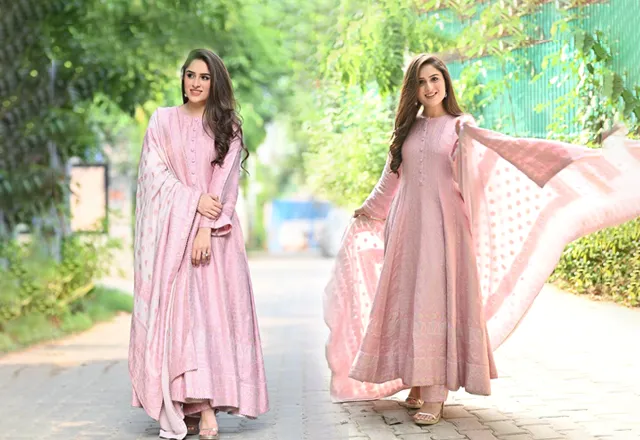
Named after the legendary court dancer Anarkali from Mughal Emperor Akbar’s court, these suits have evolved significantly while maintaining their essential grace. Originally characterized by voluminous frock-style kurtas, today’s designer Anarkali suits incorporate innovative elements while preserving their distinctive flowing silhouette that creates a regal appearance.
- Originated in the Mughal era as royal court attire
- Evolved from traditional heavy fabrics to contemporary lightweight variations
- Represents the perfect fusion of historical elegance and modern design sensibilities
Understanding Different Anarkali Silhouettes
The versatility of Anarkali style suits lies in their varied silhouettes, each offering distinct aesthetic appeal and functionality for different body types and occasions.
- Floor-length: Creates a majestic, elongated look ideal for formal events
- Knee-length: Offers practicality while maintaining the characteristic flare
- Jacket-style: Features an overlay that adds structural elegance
- A-line: Provides a balanced silhouette suitable for most body types
Essential Elements of Designer Anarkali Suits
The distinguishing characteristics of designer Anarkali suits lie in their thoughtful construction, fabric selection, and design details that enhance their wearability and visual appeal.
Fabric Selection and Seasonal Appropriateness
Choosing the right fabric for your Anarkali suit significantly impacts both comfort and style quotient, with seasonal considerations playing a crucial role.
- Summer: Opt for cotton, georgette, or chiffon Anarkalis for breathability
- Winter: Select velvet, silk, or brocade for warmth and richness
- Monsoon: Choose synthetic blends that resist moisture and maintain shape
Length Variations for Different Body Types
The ideal Anarkali length should complement your body proportions, creating a balanced and flattering silhouette.
- Petite frames: Mid-calf length creates an illusion of height
- Tall figures: Floor-length designs accentuate natural height advantage
- Plus-size: Empire waistlines with moderate flare offer balanced proportions
Neckline and Sleeve Designs
Necklines and sleeve variations can dramatically transform the overall appearance of an Anarkali suit, allowing for personalization based on preference and occasion.
- V-necklines elongate the neck and suit most body types
- Boat necks offer elegant coverage for formal settings
- Bell sleeves add dramatic flair while three-quarter sleeves provide practical elegance
Traditional Styling Approaches for Anarkali Suits
Embracing traditional styling elements enhances the authentic appeal of Anarkali suits, creating looks that honor cultural heritage while making a sophisticated fashion statement.
Classic Color Combinations and Embellishments
Traditional Anarkali suits often feature rich color palettes and intricate embellishments that reflect regional artistic traditions.
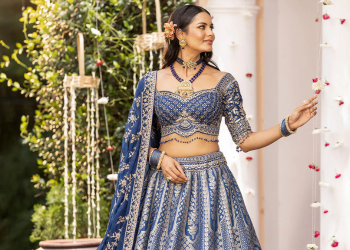
- Royal combinations: Maroon with gold, navy with silver, emerald with antique gold
- Embellishments: Zardozi, gota patti, mirror work, and thread embroidery
- Festive colors: Deep reds, purples, and blues for ceremonial occasions
Traditional Dupatta Draping Techniques
The dupatta serves as both a functional and decorative element, with various draping styles offering different aesthetic effects.
- Front cascade: Classic drape with dupatta flowing from shoulders
- Single shoulder: Elegant asymmetrical look with one end pinned at shoulder
- U-shaped drape: Formal style that frames the neckline elegantly
Ethnic Jewelry Pairing Guidelines
Traditional jewelry enhances the cultural authenticity of Anarkali ensembles, with regional styles offering distinct aesthetic expressions.
- Heavy embroidered suits: Pair with delicate jewelry to balance the look
- Minimal designs: Complement with statement pieces like chunky jhumkas or layered necklaces
- Regional pairings: Kundan for royal appeal, temple jewelry for South Indian inspiration
Modern Interpretations of Anarkali Style Suit
Contemporary fashion has reimagined the Anarkali silhouette, incorporating modern elements that appeal to fashion-forward individuals seeking versatile ethnic wear options.
Contemporary Fusion Elements
Modern Anarkali designs often blend traditional silhouettes with contemporary design elements for fresh, innovative looks.
- Asymmetrical hemlines creating dynamic movement
- Cape-style overlays adding architectural interest
- Cut-out details introducing subtle modern edge
Indo-Western Accessorizing
Pairing Anarkali suits with unexpected accessories creates distinctive fusion looks that bridge cultural aesthetics.
- Western footwear: Stilettos or block heels instead of traditional juttis
- Contemporary bags: Structured clutches replacing traditional potlis
- Modern jewelry: Statement cuffs and minimalist necklaces offering contemporary flair
Minimalist Styling for Modern Appeal
Embracing simplicity through clean lines and restrained embellishments creates sophisticated, contemporary Anarkali looks.
- Monochromatic color schemes for elegant simplicity
- Strategic placement of minimal embellishments for focused visual interest
- Sleek hair and subtle makeup enhancing the modern aesthetic
Conclusion
The Anarkali suit’s journey from historical royal courts to contemporary fashion circles demonstrates its remarkable adaptability and enduring appeal. Whether styled with traditional reverence or modern innovation, these versatile dress offer endless possibilities for personal expression while honoring their rich cultural heritage. By understanding fabric choices, silhouette variations, and accessorizing techniques, you can create Anarkali ensembles that seamlessly transition between traditional grace and modern glamour for any occasion.