


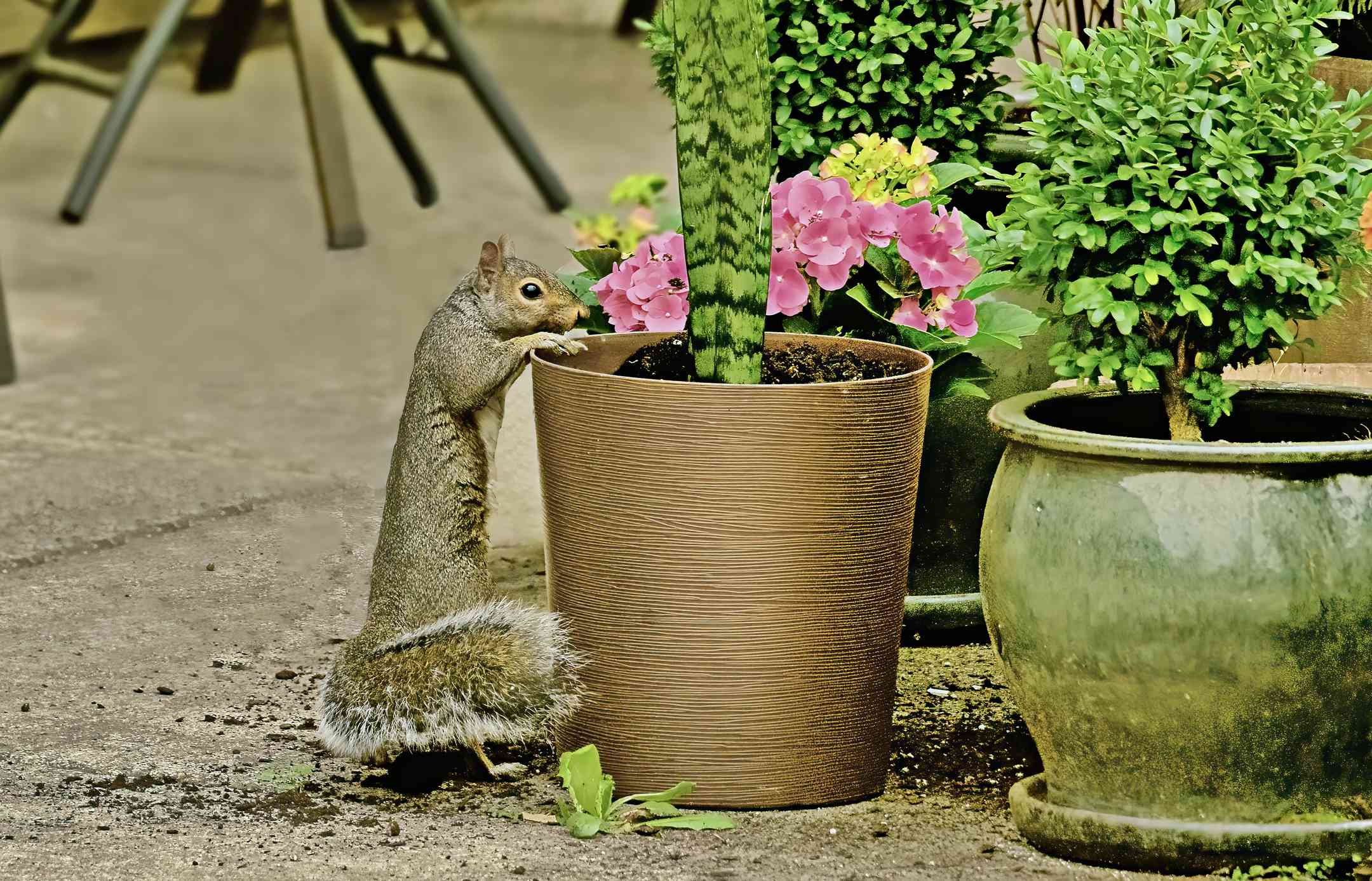
If you enjoy container gardening, growing herbs on your patio, or decorating your front porch with vibrant potted flowers, dealing with squirrels can feel like an endless game of cat and mouse. You wake up in the morning only to find your fresh potting soil dug out, plant roots exposed, and dirt scattered all over your deck.


Squirrels are naturally curious, highly persistent, and always searching for soft ground to bury or retrieve their winter food stores. Unfortunately, your freshly watered potting mix provides the perfect digging spot for them.
While chemical repellents are available in stores, many gardeners prefer avoiding harsh synthetic sprays that can leach into soil, harm beneficial insects, or pose risks to family pets. Learning how to keep squirrels out of potted plants naturally offers a safe, eco-friendly, and highly effective way to protect your container garden all season long.
Below is a detailed, battle-tested guide to natural squirrel deterrents that actually work.
Why Do Squirrels Dig in Potted Plants?
Before jumping into solutions, it helps to understand why squirrels target plant containers in the first place:
- Easy Digging Conditions: Potting soil is light, fluffy, and moist compared to hard yard soil. It takes minimal effort for a squirrel to scoop out.
- Food Burial Habits: Squirrels cache (bury) nuts, seeds, and acorns to survive colder months. Potted plants look like ideal storage lockers.
- Nutrient Hunting: Sometimes squirrels dig to eat nutrient-rich bulbs (like tulips and crocuses) or fresh plant roots.
- Moisture Access: In hot summer months, squirrels dig into damp potting soil simply to find cool moisture or drink water runoff.
Knowing these drivers allows us to target their senses—smell, taste, touch, and sight—to keep them away permanently.
7 Proven Natural Ways to Protect Your Potted Plants
1. Install Physical Soil Barriers (The Most Reliable Method)
If a squirrel cannot physically reach the dirt, it cannot dig. Creating physical barriers is by far the most foolproof method for container plants.
- Hardware Cloth or Chicken Wire: Cut a piece of galvanized hardware cloth or wire mesh slightly larger than the top of your pot. Cut a hole or slit in the center for the main plant stem to grow through, and place the wire directly over the soil surface. Cover it with a thin layer of mulch or decorative moss to hide the wire. Water and sunlight pass right through, but squirrel paws cannot penetrate the metal mesh.
- Heavy Decorative River Rocks: Place large, smooth river stones (at least 2 to 3 inches in diameter) over the exposed soil around your plant. Smaller gravel can still be moved by determined rodents, but heavy river rocks make digging impossible while adding a clean, modern aesthetic to your containers.
2. Use Capsaicin Deterrents (Cayenne Pepper & Chili Flakes)
Squirrels rely heavily on their sense of smell and taste. Capsaicin—the natural compound responsible for the heat in hot peppers—triggers an intense sensory irritation in mammals without causing permanent harm.
- Dry Application: Generously sprinkle crushed red pepper flakes or cayenne pepper powder across the soil surface around your plants.
- Homemade Liquid Spray: Mix 1 tablespoon of cayenne pepper, 1 drop of liquid dish soap (which acts as a sticker), and 1 quart of warm water in a spray bottle. Shake well and spray the outer edges of the pot and lower leaves.
- Important Note: Rain and garden watering will wash away capsaicin over time. Reapply your pepper application once or twice a week, especially after heavy rainfall.
3. Apply Essential Oils (Peppermint & Cinnamon)
Pungent essential oils create an invisible aromatic barrier that squirrels prefer to avoid.
- Peppermint Oil: Squirrels intensely dislike strong menthol scents. Soak cotton balls in pure peppermint essential oil and tuck them around the inside rim of your pots or near the base of the plant.
- Cinnamon & Clove: Sprinkling ground cinnamon or spraying diluted cinnamon oil also disrupts a squirrel’s sense of smell, making it difficult for them to locate buried nuts.
- Frequency: Refresh cotton balls with fresh essential oil drops every 4 to 6 days to maintain a potent scent shield.
4. Top Pots with Used Coffee Grounds
Don’t toss your morning coffee waste into the trash! Used coffee grounds serve a dual purpose in container gardening.
- How It Works: The strong, bitter aroma of roasted coffee masks the natural smell of soil and organic matter. Additionally, squirrels dislike the abrasive texture of dried coffee grounds on their paws.
- Soil Benefit: As coffee grounds break down, they add mild organic matter and nitrogen to your potting mix. Scatter a thin layer over the pot surface and mix it lightly into the top inch of dirt.
5. Plant Pungent Companion Herbs
Integrating natural pest-repellent plants into or around your main containers builds a living barrier against garden critters.
- Marigolds: These bright annual flowers produce a sharp, pungent odor that repels squirrels, rabbits, and harmful insects.
- Alliums & Chives: Plants from the onion family emit strong sulfur compounds that squirrels find repulsive.
- Rosemary & Lavender: Fragrant woody herbs smell delightful to humans but overpower a rodent’s sensitive olfactory system.
6. Cover Freshly Planted Bulbs with Blood Meal
If you are planting spring-blooming bulbs like tulips or lilies, squirrels will often dig them up within hours of planting.
- Blood Meal Application: Blood meal is a dry, powder-based byproduct that is rich in nitrogen. Its distinct smell signals the presence of predators to small foraging animals like squirrels and mice.
- How to Use: Dust a light layer of blood meal over the soil after planting bulbs or seeds. It nourishes your plants while acting as a natural animal repellent.
7. Deploy Motion-Activated Solar Deterrents
For large outdoor patios, decks, or high-value container gardens, automated tech devices offer a hands-off solution.
- Ultrasonic Pest Repellers: These small solar-powered stakes emit high-frequency sound waves when motion is detected. Humans cannot hear the frequency, but it startles squirrels and strays away.
- Motion Sprinklers: Connect a solar motion-activated sprinkler to your garden hose. Any animal entering the patio zone gets met with a sudden, harmless burst of water.
What NOT to Do (Common Gardening Mistakes)
When trying to protect your plants, avoid these counterproductive habits:
- ❌ Do Not Use Mothballs: Mothballs contain toxic chemicals (naphthalene) that can contaminate your soil, leach into groundwater, and harm pets or beneficial wildlife.
- ❌ Avoid Plastic Bird Netting Directly Over Soil: Squirrels can easily chew through flimsy plastic netting or get dangerously tangled in it. Stick to sturdy metal hardware cloth.
- ❌ Don’t Leave Bird Feeders Near Containers: Bird feeders drop seeds directly onto the ground, attracting squirrels straight to your patio area. Keep feeders at least 15 to 20 feet away from potted plants.
Frequently Asked Questions (FAQs)
Do coffee grounds really keep squirrels out of potted plants?
Yes, used coffee grounds help deter squirrels due to their strong bitter smell and textured feel. However, for maximum effectiveness, combine coffee grounds with physical barriers like river rocks.
Will cayenne pepper harm my plant roots or beneficial earthworms?
No. Natural cayenne pepper and capsaicin powder are completely organic. They do not damage plant tissue, alter soil pH, or harm earthworms. They only affect mammal sensory receptors.
What is the single best way to stop squirrels from digging in pots?
Laying metal hardware cloth (chicken wire) just beneath a top layer of mulch or using heavy decorative river rocks over the soil surface is the 100% most reliable physical solution.
Final Thoughts
Keeping squirrels away from your patio containers doesn’t require toxic chemicals or expensive equipment. By pairing simple physical barriers—like river stones or wire mesh—with natural scent deterrents like cayenne pepper, essential oils, and coffee grounds, you can maintain a beautiful, flourishing garden all year long.
Explore our Lifestyle & Home Improvement section for more practical, eco-friendly home and gardening guides!


