Managing rental properties involves more than just collecting rent and maintaining units; it also requires navigating complex tax documentation. One essential document that landlords should be familiar with is the IRS Form 1098. This guide will help you understand what Form 1098 is, what it reports, and how it applies to your rental business.


What is IRS Form 1098?
IRS Form 1098 is a tax document used by organizations to report tax-deductible expenses to both the IRS and taxpayers. Key expenses include mortgage interest payments, student loan interest, and motor vehicle contributions. For landlords, the most relevant version is the 1098 Mortgage Interest Statement, which specifically relates to mortgage-related payments that could qualify as tax-deductible.
The primary purpose of Form 1098 is transparency, allowing taxpayers to claim eligible deductions and simplify tax preparation. By detailing interest payments and other qualifying expenses, it ensures that taxpayers can accurately report their financial information.
What Does IRS Form 1098 Report?
A 1098 tax form reports specific payments made during the year that may qualify for tax deductions, such as:
- Mortgage interest payments of $600 or more.
- Mortgage insurance premiums.
- Points paid on a mortgage.
Each component can significantly impact a landlord’s tax liability. For instance, mortgage interest payments often form a large part of deductible expenses for property owners, potentially reducing taxable income and the taxes owed.
When is Form 1098 Used?
Organizations required to file Form 1098 must send it to taxpayers by January 31 each year, allowing taxpayers to incorporate this information into their tax returns, which are typically due by April 15. Mortgage lenders commonly use Form 1098 to report interest payments meeting or exceeding $600 during the tax year. However, lenders may still issue the form for amounts below this threshold.
Who Should File Form 1098?
Landlords interact with Form 1098 primarily when dealing with mortgages on rental properties. The lender is responsible for filing Form 1098 and providing copies to both the borrower and the IRS. However, there are scenarios where lenders may not need to file:
- Payments totaling less than $600: If annual mortgage interest, premiums, or points paid are below $600, lenders aren’t obligated to file.
- Non-individual borrowers: If payments are from a corporation, partnership, trust, or estate, lenders are exempt from filing.
In owner-financed property situations, the seller may not issue Form 1098, yet landlords can still deduct qualifying mortgage interest with accurate records and adherence to IRS guidelines.
Types of 1098 Forms
Different variants of Form 1098 cater to specific reporting needs:
- Form 1098 Mortgage Interest Statement: Most relevant for landlords, it reports payments related to mortgage interest, premiums, and points paid.
- Form 1098-C Contribution of Motor Vehicles, Boats, and Airplanes: Used for vehicle donations exceeding $500.
- Form 1098-E Student Loan Interest Statement: For student loan interest payments of $600 or more.
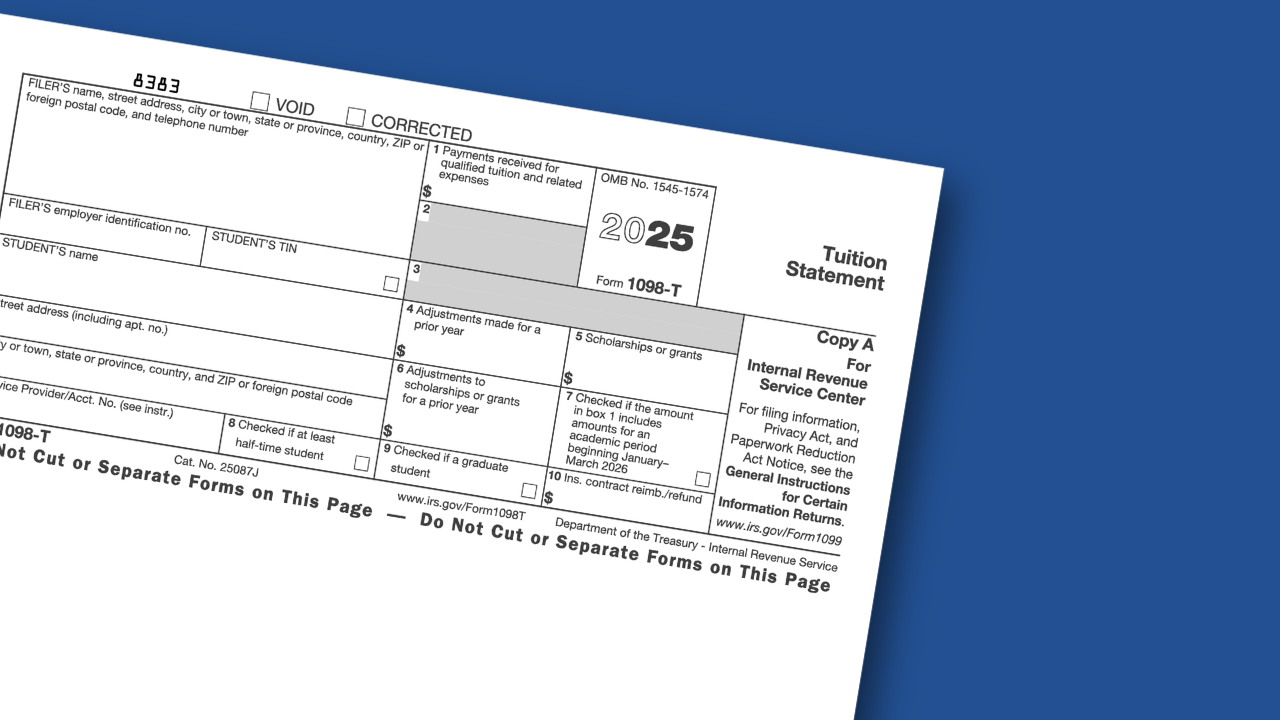
- Form 1098-T Tuition Statement: Reports qualified tuition payments, adjustments, scholarships, or grants.
What Information Do You Need to Complete Form 1098?
In owner-financed properties, landlords must gather:
- Mortgage statement: Details interest payments, insurance premiums, and points paid.
- Closing documents: Provide critical loan details for new mortgages.
- Payment records: Document additional payments or contributions qualifying for deductions.
Having these records ensures accurate form completion and deduction reporting.
Components of a 1098 Form
A1098 form contains key sections to report payments:
- Lender Information: Includes name, address, and Tax Identification Number (TIN) of the issuing entity.
- Borrower Information: Displays name, address, and TIN of the recipient.
- Mortgage Details: Lists total interest paid, insurance premiums, and points for the year.
Precise completion avoids errors or discrepancies that could trigger an IRS audit.
How to Report Mortgage Interest with Form 1098
Landlords required to issue or use Form 1098 should follow these steps:
- Gather information: Collect documentation, including lender and borrower details, payment records, and a mortgage statement.
- Fill out sections: Double-check personal and business information for accuracy.
- Enter payment details: Input amounts for interest, premiums, and points paid.
- Box 1: Total interest paid.
- Box 2: Outstanding mortgage principal at the year’s start.
- Box 3: Mortgage origination date.
- Box 4: Total mortgage insurance premiums paid.
- Box 5: Total points paid.
- Submit to the IRS: File the form with the IRS and provide copies to the borrower and any applicable state authorities.
Why is Form 1098 Important for Landlords?
Form 1098 is crucial for maximizing deductions and reducing taxable income. Mortgage interest often represents a significant expense in rental property ownership, and accurate reporting can lead to substantial tax savings.
For example, a 30-year fixed-rate mortgage at 6% with a 20% down payment on a $400,000 property would mean financing 80% of the property’s value:
- Down payment (20%): $80,000
- Loan amount: $320,000
- Interest rate: 6%
- Loan term: 30 years
In early years, most payments target interest, leaving around $18,858 in interest deductions annually. Reviewing Form 1098 helps landlords verify financial records, addressing discrepancies to prevent complications.
Conclusion
IRS Form 1098 plays a vital role in reporting tax-deductible payments, providing essential information for accurate filings. For landlords, understanding this form can simplify tax preparation, maximize deductions, and reduce errors. Staying informed ensures you meet obligations and take advantage of available deductions confidently.