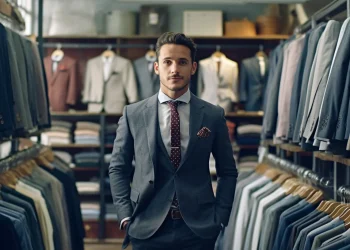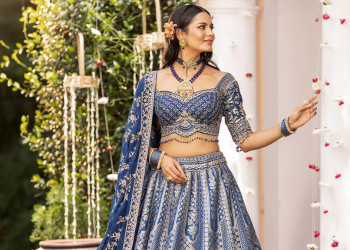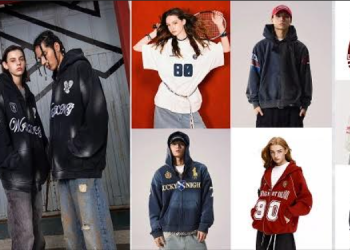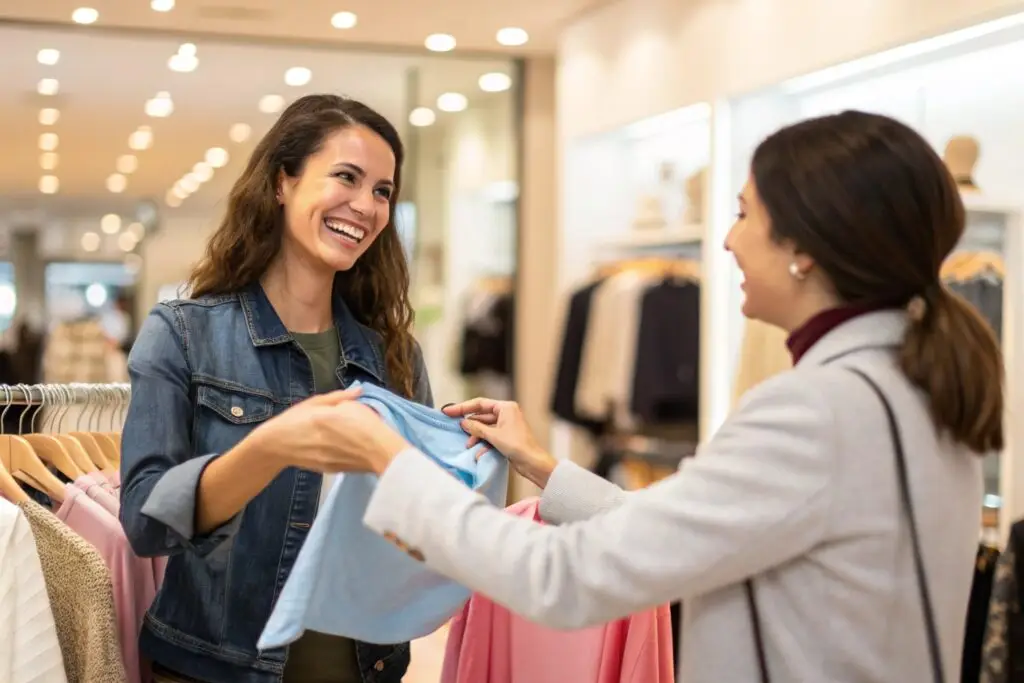
For decades, the luxury fashion industry was built on a foundation of exclusivity dictated by a handful of legacy houses. Consumers would eagerly purchase off-the-shelf items to signal their alignment with a particular brand aesthetic or social status. However, a profound and permanent shift is currently reshaping the commercial landscape of the retail sector. Today’s buyers are progressively turning away from mass-manufactured uniformity, seeking instead unique items that reflect their individual identity and personal values. This transformation is forcing both established powerhouses and independent boutiques to rethink their entire operational models, bridging the gap between artistic expression and agile business strategy.

The Data Behind the Bespoke Boom
The pivot towards customisation is not just a fleeting aesthetic trend. It represents a fundamental realignment of consumer values and economic drivers in the retail space. According to a comprehensive market study by Bain & Company, the industry is witnessing a massive transition where consumers are increasingly seeking immersive, personalised, and brand-curated experiences. Their findings clearly indicate that fostering meaningful, individualised connections is now a foundational pillar for securing future financial growth in the luxury sector. Shoppers no longer want to be passive participants in the retail process. They want to feel involved, valued, and understood by the brands they support.
This shift is highly visible in niche sectors that celebrate fine artisan craftsmanship over sheer volume. For example, modern jewelry design has increasingly moved toward bespoke services where clients collaborate directly with master artisans. By crafting highly personalised pieces inspired by nature and significant life milestones, boutique brands are successfully capturing the attention of modern consumers. Moving away from traditional mass production allows these fine jewellery artisans to offer a level of intimacy and personal storytelling that factory-made accessories simply cannot match.
Sustainability and Slow Fashion as Core Strategies
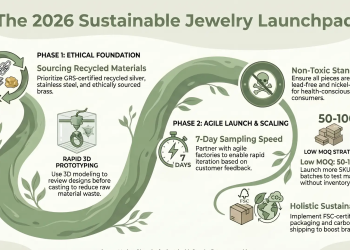
The rise of personalisation is deeply intertwined with the growing global demand for sustainability in fashion. When items are made to order, brands can significantly reduce the severe environmental impact associated with overproduction, deadstock, and excess warehouse inventory. This lean, made-to-order manufacturing approach is transitioning from a niche ethical choice into a highly effective commercial strategy that protects the bottom line while appeasing eco-conscious buyers.
Entrepreneurs entering the market are taking careful note of these changing expectations and adjusting their supply chains accordingly. Understanding this vital transition from traditional manufacturing to ethical sourcing is crucial for modern independent labels. Anyone following the latest fashion category trends will recognise how new founders are successfully launching sustainable collections by prioritising transparency. These forward-thinking business models prove that environmental consciousness and commercial success are no longer mutually exclusive concepts in the modern retail landscape.
What Modern Consumers Look For in Custom Fashion
To successfully capture modern consumer interest, fashion and accessory brands must offer much more than just a simple monogram or a basic colour swap. True personalisation requires a holistic approach to the entire customer journey, from the initial consultation to the final delivery. Brands that are thriving in this highly competitive new environment tend to focus their resources on a few essential pillars of the bespoke experience.
- Collaborative Creation: Modern buyers want to have a definitive say in the materials, cut, or overall aesthetic of their purchase. Inviting the customer into the design studio, whether virtually or physically, builds incredible brand loyalty.
- Transparent Origins: Consumers are demanding clear, verifiable information about where raw materials are sourced and exactly who is crafting the final product. Ethical transparency is now treated as a premium feature.
- Emotional Storytelling: The most successful bespoke brands connect the physical item to the buyer’s personal life events, fond memories, or deeply held values, creating heirlooms rather than mere accessories.
- Exceptional Craftsmanship: By prioritising lasting quality and durability over speed of production, brands ensure that each bespoke item can be cherished and worn for generations, directly combating the fast-fashion mentality.
The Financial Impact on Retail Operations
From a strictly business perspective, offering bespoke services provides several distinct advantages that help insulate brands from economic downturns. Customisation inherently commands a premium price point, which improves profit margins. Furthermore, because bespoke items are paid for in advance and created on demand, cash flow is significantly improved and the risk of holding unsold inventory is virtually eliminated. This agile approach gives independent creators a distinct competitive edge over massive retailers burdened by rigid supply chains.
The intersection of high fashion and business strategy has never been more dynamic. As the global market continues to evolve, the companies that will achieve the highest levels of commercial success are those that treat their customers as collaborative partners rather than generic consumers. By championing genuine bespoke craftsmanship, sustainable operational practices, and deeply personal retail experiences, the fashion industry is successfully paving the way for a more mindful, profitable, and individualised future.