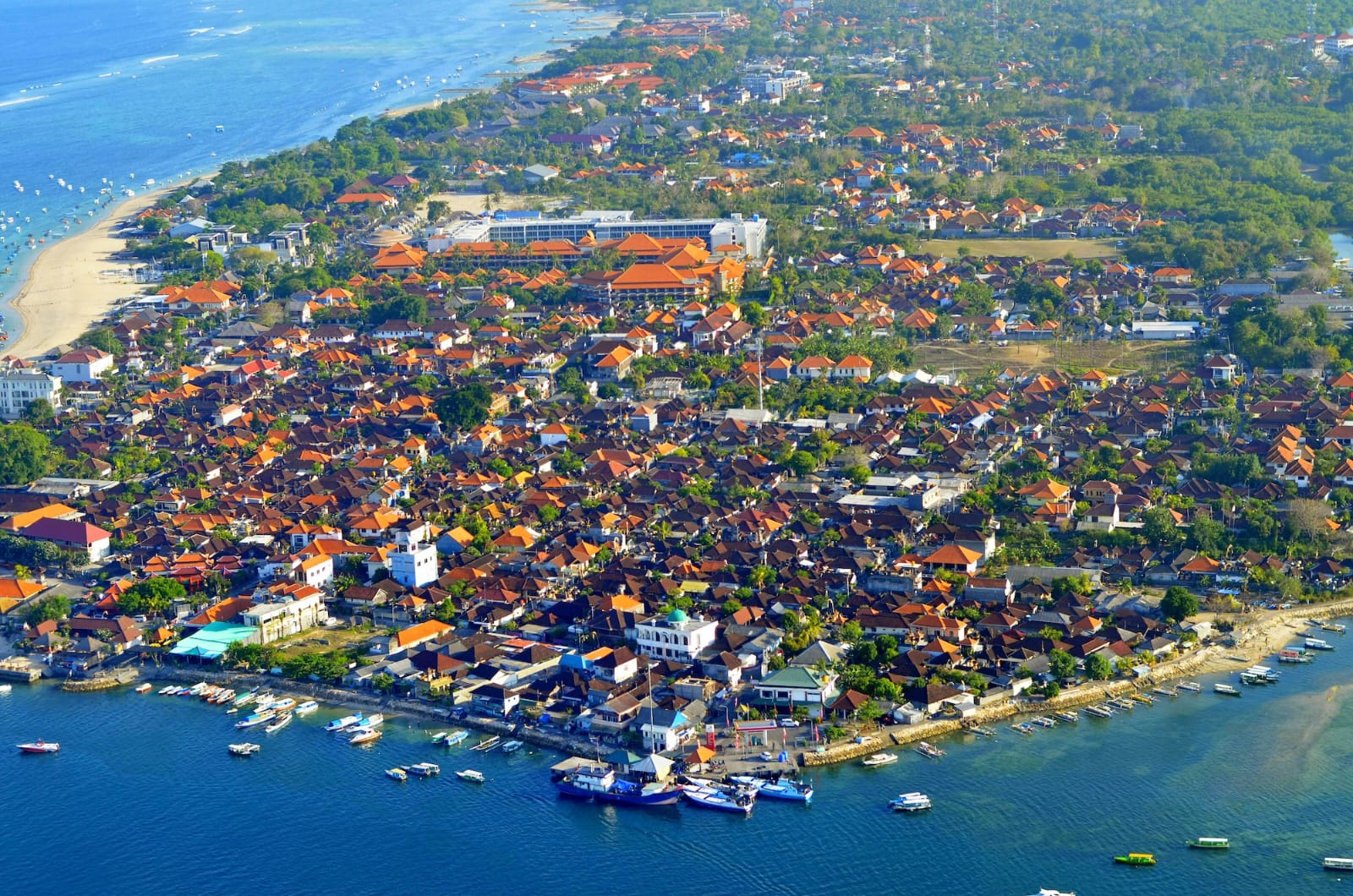
The people having this conversation are not, as the stereotype would suggest, aimless digital nomads running lifestyle blogs from a hammock. Increasingly, they are founders, operators, and investors running businesses with real revenue, real teams, and real stakes. They arrived in Bali expecting a working holiday and discovered, almost by accident, that the island had quietly become one of the more interesting places in the world to build something.


The reasons are more structural than romantic. Bali sits in GMT+8 timezone that overlaps meaningfully with both Asian and Australian business hours, and stretches just enough into European evenings to make cross-continental calls viable.
Its cost base allows early-stage companies to extend their runway considerably: a founding team that might burn through a seed round in eighteen months in San Francisco or London can make the same capital last three years or more on the island. And the density of entrepreneurial talent that has accumulated in Bali’s main hubs over the past decade has created a deal flow and knowledge-sharing ecosystem that would surprise anyone whose last image of the island was a wellness retreat brochure.
None of this is accidental. Indonesia is the fourth most populous country on earth, with a digital economy that has been growing faster than almost anywhere in the region. Bali, as the country’s most internationally connected island, functions as a natural landing pad for those who want proximity to that opportunity without the infrastructure complexity of Jakarta.
From Digital Nomads to Property Investors in Bali
The Indonesian government has introduced digital nomad and investor visa categories that, while still evolving, signal a clear intent to capture more of the globally mobile professional class. The island is not just tolerating this influx. It is, haltingly but genuinely, trying to institutionalise it.
For those who decide to plant a flag rather than pass through, the residential side of the equation matters more than it might initially seem. Where you live shapes who you meet, which shapes what you build.
The clusters are real: the Canggu-Seminyak corridor skews toward e-commerce, content, and crypto; Ubud draws a more considered, longer-horizon crowd working in education, wellness, and creative industries; Sanur and Nusa Dua tend to attract established operators who have traded energy for stability and found the bargain extremely favourable.
Exploring a house for rent in Bali is often the first practical step in figuring out which of these communities you actually belong to. A low-commitment way to pressure-test the fit before making anything permanent.
And increasingly, people are making it permanent. The calculation changes once a business reaches a certain maturity: the founder who rented for two years to preserve flexibility starts to think about what ownership would do for their cost structure, their sense of stability, and their balance sheet.
Property values in Bali have appreciated meaningfully in the areas where international demand has concentrated, and while the legal framework for foreign ownership requires careful navigation, those who have done the work are sitting on assets that have significantly outperformed many conventional investment strategies. For that cohort, the conversation shifts from lifestyle to portfolio, and the market for a house for sale in Bali starts to look less like a personal indulgence and more like a rational allocation of capital.
Conclusion
The honest caveat is that Bali is not a shortcut. The founders who thrive there are not the ones who came to escape difficulty. They are the ones who came to reduce unnecessary friction while staying fully engaged with the hard parts of building.
The island cannot fix a broken business model, resolve a co-founder dispute, or manufacture product-market fit. What it can do is remove the ambient financial pressure that causes so many early companies to make short-term decisions at exactly the moment they need to think long. That, for a certain kind of founder at a certain stage of building, turns out to be worth more than almost any other advantage you can buy.
The sunset, it turns out, is just a bonus.