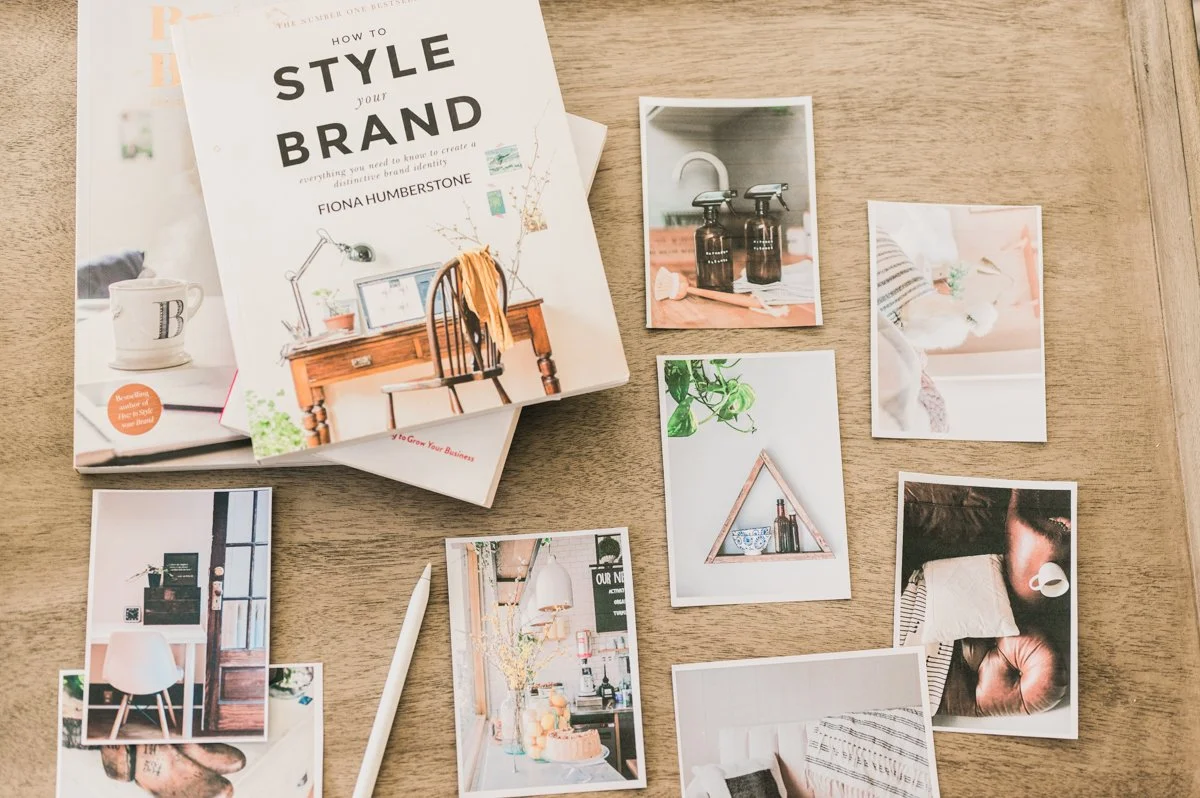
When people think about branding in home décor, they usually think about aesthetics.


Colour palettes. Product styling. Photography. Layout.
Those things matter — but they’re not the brand.
What actually makes a brand recognisable is something harder to define and easier to feel. It’s the moment someone lands on your website or scrolls past your content and instantly knows this feels familiar. That feeling is brand identity, not decoration.
If you want to build a home décor brand that lasts, you need to move beyond aesthetic choices and into something deeper: a consistent brand feel.
Aesthetic Is What People See — Identity Is What They Recognise
You can have beautiful visuals and still feel forgettable.
That happens when aesthetic choices aren’t anchored to intention. When colours change too often. When photography styles shift. When layouts feel disconnected across platforms.
Identity emerges when every visual decision points in the same direction. It’s not about perfection — it’s about coherence.
When your brand feel is strong, people don’t need to see your logo to recognise you. They recognise the tone, the pace, and the atmosphere.
Why Brand Feel Matters More Than Individual Products
Home décor is not a one-off purchase category. People return to brands that feel familiar and aligned with their taste.
If your brand identity is clear, customers don’t just buy a product — they buy into a world. Each new collection feels like a continuation, not a surprise.
This is where many brands struggle. They focus on launching products instead of reinforcing identity. Over time, the brand becomes a collection of disconnected items rather than a recognisable presence.
A strong brand feel solves this by making every product feel like it belongs.
How You Define Your Brand Feel
Brand feel starts with clarity, not visuals.
Before choosing colours or layouts, you need to define what your brand stands for emotionally. Ask yourself:
- How should a space feel when someone uses your pieces?
- Calm or expressive?
- Minimal or layered?
- Warm or structured?
Once that emotional direction is clear, visual decisions become easier — and more consistent.
Without this foundation, aesthetics drift. With it, identity holds.
Consistency Across Touchpoints Is Non-Negotiable
Your brand does not live in one place.
It lives on your website, social media, packaging, product pages, and editorial content. If these touchpoints don’t align, the brand feels fragmented — even if each one looks good individually.
Consistency doesn’t mean repetition. It means recognisability.
When your typography, spacing, colour tone, and imagery follow the same visual logic, customers feel oriented. They trust the brand because nothing feels accidental.
For brands like HanoDecor, visual consistency reinforces the idea that design choices are intentional, not trend-driven.
Why Mood Is More Important Than Style
Styles change. Mood endures.
Trends in home décor rotate constantly, but brands built on a strong emotional core adapt without losing identity. Their aesthetic evolves, but their feel stays intact.
If your brand is rooted in calm, simplicity, or warmth, new products can change materials or forms without confusing your audience. The mood acts as an anchor.
This is how you avoid rebranding every few years.
Creating Recognition Without Saying a Word
The strongest brand identities don’t need explanation.
You don’t need to tell customers what you stand for if they can feel it. Photography style, whitespace, pacing of content — these communicate faster than copy ever could.
When your brand feel is clear:
- customers linger longer
- browsing feels intuitive
- trust forms before purchase
That trust is built visually, not verbally.
Where Brands Lose Their Identity
Brand identity weakens through small inconsistencies:
- mixing visual styles across collections
- changing tone depending on platform
- prioritising trends over coherence
Each inconsistency introduces doubt. Over time, recognition fades.
The solution isn’t stricter rules — it’s clearer intent. When you know what your brand stands for, decisions align naturally.
Identity Is a Long-Term Discipline
Brand feel isn’t created once and maintained forever. It requires attention.
As your brand grows, you’ll add products, platforms, and campaigns. Each addition tests your identity. The question is always the same: does this feel like us?
When the answer is yes, the brand strengthens. When the answer is unclear, identity erodes.
This discipline is what separates memorable brands from interchangeable ones.
For HanoDecor, maintaining a cohesive brand feel across collections and content ensures that growth doesn’t dilute identity — it deepens it.
Brand Feel Builds Loyalty, Not Just Recognition
Recognition gets attention. Identity keeps it.
Customers return to brands that feel consistent with their taste and values. They don’t need convincing every time — the brand already feels familiar.
This loyalty isn’t built through promotions. It’s built through experience.
When every interaction reinforces the same visual and emotional language, the brand becomes part of the customer’s lifestyle, not just their shopping history.
Final Thought
Aesthetic attracts.
Identity retained.
If you want your home décor brand to be recognised, trusted, and remembered, you need to build more than a look. You need to build a feeling that stays consistent across time, platforms, and products.
When your brand feels clear, customers don’t just see your brand.
They know it.