
Dental care is often framed as a purely clinical act: cleaning teeth, filling cavities, restoring function. Yet, for countless patients, the experience is not about teeth at all—it is about fear. The fear of pain, of loss of control, of judgment. These are not minor hesitations; they are deeply embedded psychological patterns that shape whether individuals seek care in the first place. The rising recognition of sleep dentistry is less about technical innovation and more about a cultural shift: dentistry acknowledging mental health as central to its practice.
The Silent Epidemic of Fear
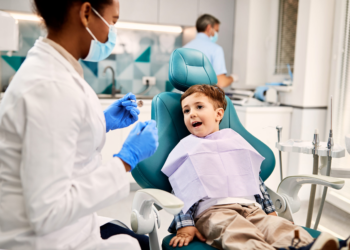
Dental anxiety is not new, but it is increasingly being understood in the broader context of mental health. Millions of people worldwide avoid routine dental visits, not because of ignorance, but because of the triggers of dental anxiety: the sterile environment, the sound of drills, the sight of needles, or memories of past traumatic encounters. For some, the anxiety escalates into a phobia that overrides rational awareness of the importance of oral health.
The consequences ripple outward. Avoidance leads to neglected cavities, periodontal disease, or infections that could have been prevented with early intervention. Beyond the mouth, this avoidance contributes to systemic issues—heart disease, diabetes complications, and chronic inflammation have all been linked to poor oral health. Dental anxiety, then, is not a minor inconvenience but a significant public health concern.
Why Modern Mental Health Needs a Dental Response
Contemporary society has become more vocal about mental health, destigmatizing conditions like anxiety, depression, and post-traumatic stress. Yet dentistry often lags behind, still assuming patients can “push through” fear. The reality is more complex: for patients with heightened sensitivity to triggers, no amount of rational explanation dismantles the visceral response of panic.
This is where sleep dentistry intersects powerfully with modern mental health needs. By using sedation—whether mild nitrous oxide or deeper IV sedation—dentists can create a safe space for those otherwise unable to face treatment. This is not about indulgence. It is about aligning dental care with psychological realities, recognizing that comfort and calm are as essential as precision and technique.
The Science of Sedation and the Psychology of Trust
When viewed through a mental health lens, sleep dentistry becomes more than pharmacology. It becomes an act of trust. The medications alter consciousness, dulling the sharpness of fear. Patients no longer have to grapple with the full sensory force of their anxiety triggers. For someone with a history of trauma, this shift can be transformative.
But sedation alone is not enough. Effective management means integrating it into a broader patient-centered approach: trauma-informed communication, gentle explanations, and acknowledgment of fear without judgment. Dentists practicing sleep dentistry are, in essence, also practicing mental health care—whether they realize it or not. They are meeting patients where they are, not where tradition assumes they should be.
Beyond Avoidance: Towards Healing
A criticism sometimes leveled against sleep dentistry is that it “masks” fear rather than addressing it. But this critique overlooks the layered nature of anxiety. For many patients, sedation is the first step toward reclaiming agency. Once they know that treatment can be completed without panic, some gradually gain the confidence to attempt non-sedated visits. Others may always require sedation, and that is equally valid.
The key lies in reframing the purpose. Sleep dentistry is not about avoidance; it is about inclusion. It ensures that no patient is excluded from essential care simply because their mind and body react differently to dental environments. It is a recognition that mental health deserves parity with physical health.
Triggers, Trauma, and Tomorrow
Modern research underscores the complex origins of dental anxiety. For some, it is a single traumatic event in childhood. For others, it is cumulative—years of painful treatments, a sense of helplessness in the chair, or even cultural narratives portraying dentistry as inherently unpleasant. Identifying these triggers of dental anxiety allows clinicians to tailor care: sedation for acute fear, combined with gradual desensitization, mindfulness practices, or referral to mental health professionals.
The future may even bring more integrative models. Imagine dental clinics with on-site psychologists, or digital tools that map patient anxiety responses in real time. Sleep dentistry could evolve with AI-assisted sedation monitoring, ensuring unparalleled safety and personalization. The next decade may see dentistry finally align itself fully with mental health care.
The Symbiosis of Dentistry and Mental Health
In the end, sleep dentistry is not just about sleep—it is about dignity. It acknowledges that fear is real, that anxiety is valid, and that care must adapt rather than demand compliance. In doing so, it becomes more than a clinical technique; it becomes a philosophy of inclusivity and compassion.
As society moves toward a deeper embrace of mental health, dentistry cannot afford to lag behind. Recognizing and responding to the triggers of dental anxiety through sleep dentistry is not an optional extra—it is a moral and medical imperative. For patients standing at the intersection of fear and need, it is the bridge that makes oral health, and by extension overall health, possible.

Easing the Anxious Mind: Why Sleep Dentistry Speaks to Modern Mental Health Needs



Related Posts





Leave a Reply
POPULAR





© 2025 bishopwcmartin - bishopwcmartin desing by bishopwcmartin.