A natural-looking smile isn’t just about vanity—it’s about confidence, comfort, and the ability to live your everyday life without feeling self-conscious. Decades ago, dental restorations were easy to spot. Crowns were often bulky or mismatched in colour, and implants lacked the subtle details that make real teeth feel “alive.” Today, though, the story is completely different. Thanks to major advances in materials, design, and digital technology, modern crowns and implants now blend so seamlessly that most people can’t tell the difference.


If you’ve ever admired someone’s smile and thought, “Wow, lucky them,” there’s a real chance that part of that smile was actually crafted—not just naturally grown. Let’s explore what changed, why restorations look so real today, and how these innovations impact everyday patients.
The Rise of Digital Dentistry and Natural-Looking Restorations
One of the biggest reasons crowns and implants look so natural today is the rise of digital dentistry. Instead of relying only on manual impressions and guesswork, dental professionals now use 3D scanning, digital modelling, and computer-assisted design to capture precise details of a person’s teeth.
Think of it like designing a custom piece of furniture. If you were building a table to fit perfectly in a corner of your home, you’d want exact measurements—not an estimate. Digital dentistry applies the same idea but with far more precision. A 3D scan captures the exact contours, spacing, and bite pattern of a patient’s mouth, allowing restorations to fit more comfortably and look more accurate than traditional methods ever allowed.
This technology also helps technicians replicate the tiny, natural “imperfections” that make real teeth look real—like subtle translucency near the edges or small grooves in the enamel. Many people don’t realise this, but natural teeth are not perfectly opaque or uniformly shaped. Older dental work often missed this, resulting in that artificial “bright white block” effect. Digital systems have made it possible to build crowns and implants that mimic the same unique light-reflecting qualities you’d see in natural tooth structure.
As a result, patients get restorations that don’t just look real—they behave like real teeth.
High-End Materials That Mirror Natural Teeth
Advances in materials science have played a huge role in making modern dental restorations more realistic. Traditional crowns were often made with porcelain fused to metal, which created durability but didn’t always look natural. The metal underneath could cause a grey shadow or dark line near the gumline—something almost everyone has seen at least once.
Today, materials like zirconia and advanced ceramics have completely changed the game. They offer:
- Higher translucency that mimics enamel.
- Greater strength than past porcelain crowns
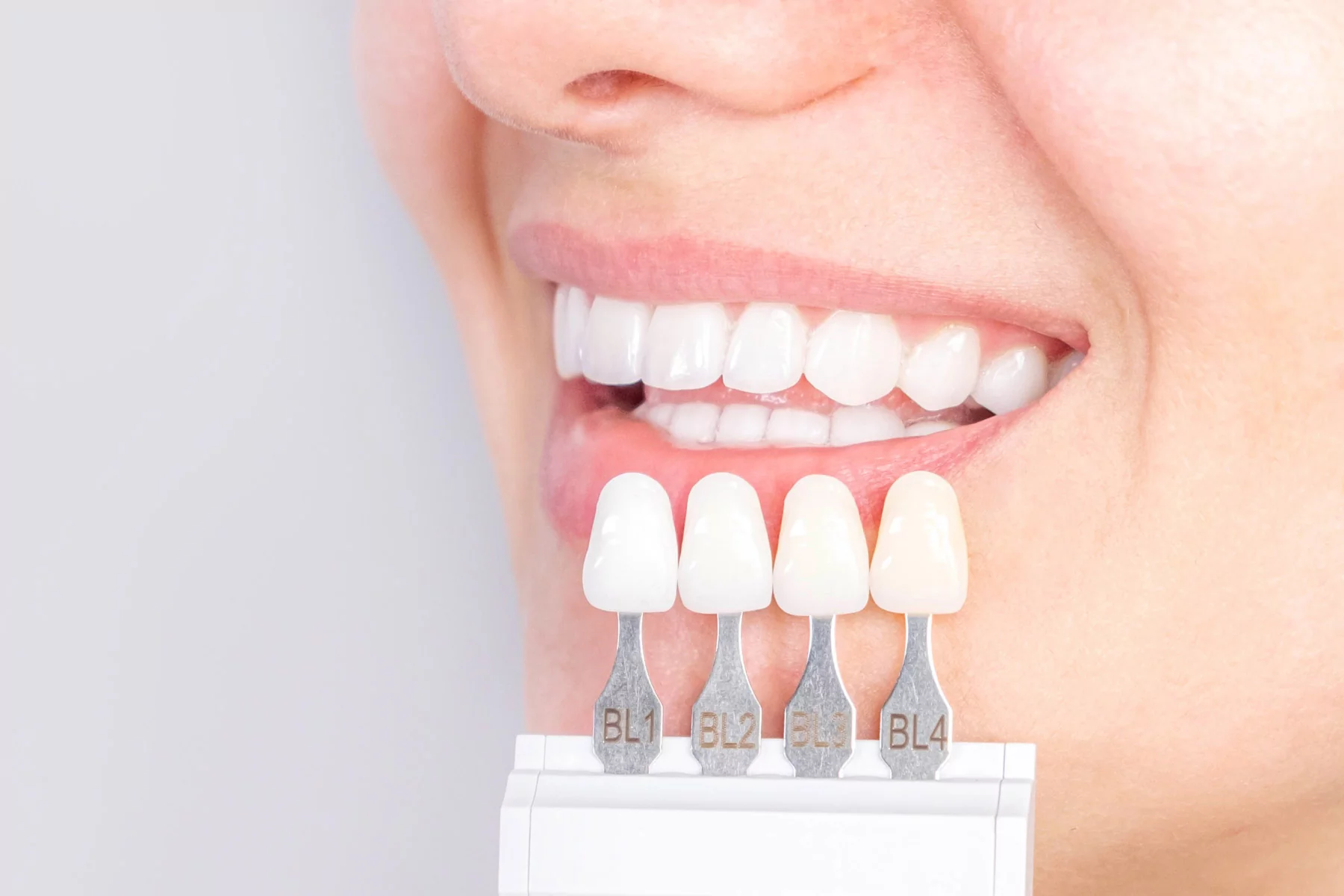
- Customizable shade matching
- Resistance to staining from coffee, tea, or wine
- A lifelike glow when exposed to light
In fact, zirconia is now strong enough that it’s used in various engineering applications, yet delicate enough to recreate the colour gradients seen in natural teeth. It’s the same idea seen in other industries—like smartphones using ultra-thin yet durable glass or car manufacturers using lightweight metals that are both strong and visually appealing. Technology keeps evolving, and dental materials are following suit: stronger, more aesthetic, and more natural-looking.
Implant materials have also improved dramatically. Titanium remains a top choice because it bonds well with bone, but surfaces are now engineered to speed up healing and create a more stable foundation. When you combine a stable implant base with a beautifully designed crown, the result is a restoration that works and feels just like a natural tooth.
A More Personalised Approach to Dental Aesthetics
Beyond the technology and materials, modern dentistry is more personalised than ever. Gone are the days when every crown looked identical—like buying a pair of shoes in only one colour and size. Today, dental restorations are custom-crafted based on each individual’s facial features, smile line, gum shape, and even personality.
Some people want a bright “Hollywood” look. Others prefer a softer, more natural shade that matches their existing teeth. Some patients want refined edges, while others maintain their slightly rounded bite patterns.
This personalisation matters because a smile isn’t just a set of teeth—it’s part of your identity.
Even industries outside of dentistry embrace this idea. Think of how customised smartphone cases, tailored suits, or ergonomic office chairs make daily life more comfortable and personal. Dentistry applies the same principle, allowing crowns and implants to be matched not only to your mouth but to you.
If you’re exploring treatment options and want to understand the process, craftsmanship, and technology behind these modern solutions, you can tap here for details and learn how contemporary restorations are created with precision and artistry.
How Natural-Looking Restorations Improve Daily Life
When crowns and implants look real, the benefits go beyond aesthetics. Every day tasks become easier and more enjoyable.
1. Eating Feels Normal Again
Modern materials distribute bite pressure more naturally, allowing patients to chew without worry. You’re not limited to soft foods or hesitant bites—your restorations support your lifestyle instead of restricting it.
2. Speech Sounds More Natural
Poorly shaped crowns used to cause subtle speech issues, such as whistling or slurring. Digitally designed restorations fit so precisely that most people speak normally from day one.
3. Confidence Rises Automatically
A natural-looking smile lets people laugh, talk, and be photographed without second-guessing their appearance. It’s similar to wearing a perfectly fitting outfit—you just carry yourself differently.
4. Long-Term Reliability Means Peace of Mind
Strong modern ceramics and optimised implant materials reduce the risk of fractures or loosening. With proper care, many restorations last for decades.
And on the broader medical side, tooth replacement also supports overall oral health, preventing bone loss and preserving facial structure—something widely discussed in the field of bone remodelling (authority link).
The Future: Even More Natural, Even More Precise
What’s exciting is that dental technology continues to evolve. 3D printing is becoming more advanced, AI-assisted design is improving bite accuracy, and material science keeps pushing boundaries. This means crowns and implants will only become more realistic, more durable, and more customised in the years to come.
Imagine restorations so natural that even dentists can’t immediately distinguish them from real enamel—or implants that integrate faster and stronger than ever before. These aren’t far-off dreams; the industry is already taking steps in that direction.
Final Thoughts
Modern crowns and implants are more natural than ever thanks to the combination of digital scanning, advanced materials, and personalised design. Whether someone loses a tooth from decay, an accident, or age-related issues, today’s solutions can restore not just function but also the beauty and confidence that come with a genuine, natural smile.
If you’re considering dental restoration or simply curious about how today’s technology transforms smiles, now is the perfect time to explore your options. Improved comfort, lifelike results, and long-lasting durability are no longer luxury features—they’re the new standard.