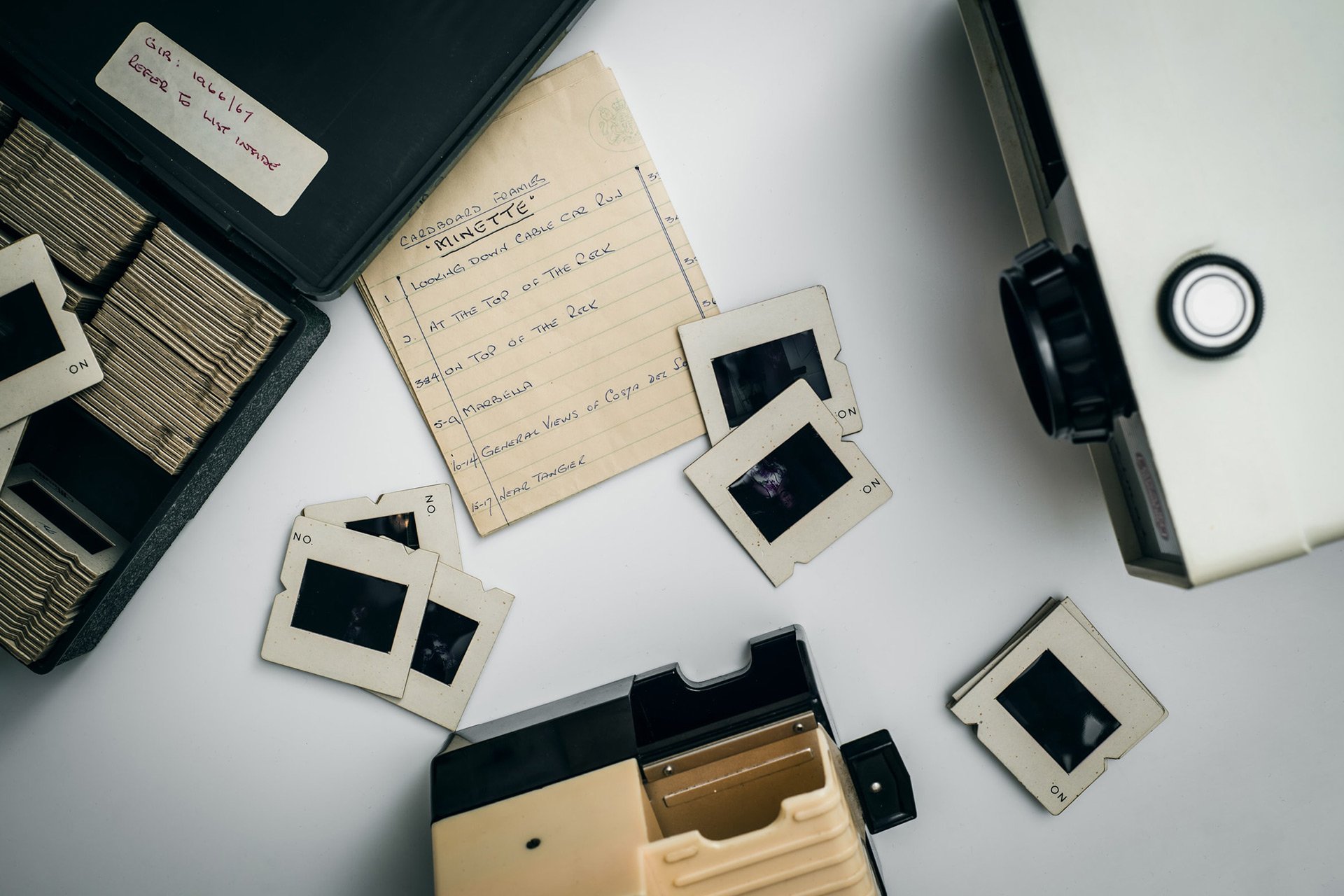
If you’ve ever opened a dusty box of old photographic slides, you know the feeling: a mix of excitement, nostalgia, and concern. These tiny frames hold family milestones, travel memories, and snapshots of everyday life from decades past.


Yet the very format that preserved them for so long now puts them at risk. Slides fade, collect dust, grow brittle, and can be ruined by a single careless touch.
That’s why many people eventually ask what is the safest way to preserve old slides for the future?
While DIY scanners and smartphone shortcuts may seem tempting, professional slide scanning services remain the most reliable and least risky option. Here’s why.
What Makes Old Slides So Vulnerable to Damage?
Photographic slides were never designed to last forever. Most color slides from the mid-20th century used dyes that degrade over time, even under good storage conditions. Add in environmental factors and handling risks, and deterioration accelerates quickly. Common threats include:
- Color fading and shifting caused by chemical instability.
- Dust, mold, and fungus from humidity and poor airflow.
- Scratches and fingerprints from improper handling.
- Warping or cracking as plastic mounts age.
- Loss from accidents such as fire, flooding, or misplacement.
What Risks Come with DIY Slide Scanning?
At-home slide scanners are widely available and often marketed as “easy” or “safe.” In practice, they introduce several risks—especially for large or valuable collections. Common DIY pitfalls include:
- Excessive handling, increasing the chance of fingerprints and scratches.
- Inconsistent lighting and focus, leading to poor image quality.
- Low-resolution sensors that permanently limit future use.
- Improper cleaning methods, which can grind dust into the film surface.
- User fatigue, causing mistakes when scanning hundreds or thousands of slides.
How Do Slide Scanning Services Reduce Physical Risk?
Professional slide scanning services are built around minimizing contact and maximizing control. Slides are handled in clean, organized environments by trained technicians who understand film fragility. Safety advantages include:
- Minimal handling, often using gloves and anti-static tools.
- Specialized holders and mounts that prevent bending or pressure.
- Professional cleaning systems designed specifically for film.
- Controlled environments that reduce dust, static, and humidity.
Why Does Professional Equipment Matter So Much?
High-quality scanning equipment is expensive and highly specialized. Professional services use scanners designed specifically for film, not flatbed compromises or consumer-grade sensors. These systems offer:
- High optical resolution, capturing fine detail and grain.
- Dynamic range optimization, preserving shadow and highlight detail.
- Color calibration ensures accurate and consistent tones.
- Infrared dust and scratch detection, where supported by film type.
How Does Digital Preservation Improve Long-Term Safety?
Once slides are professionally scanned, the digital files become your primary archive, reducing the need to touch the originals at all. Digitization improves safety by:
- Allowing multiple backups across drives and cloud storage.
- Making images easy to share without physical transport.
- Enabling restoration copies without altering originals.
- Protecting memories from fire, water, and physical decay.
Are Slide Scanning Services Safer for Large Collections?
The larger the collection, the higher the risk of DIY errors. Fatigue, disorganization, and inconsistent settings can quietly compromise hundreds of images before you notice.
Professional services handle large collections by:
- Tracking slides with inventory systems.
- Using consistent scanning profiles across batches.
- Performing quality control checks.
- Returning originals organized and labeled.
This structured approach dramatically reduces the chance of loss or damage.
How Does Professional Scanning Protect Emotional Value?
Slides are memories tied to people, places, and moments that can’t be recreated. The emotional cost of damage often outweighs the financial cost of scanning. Choosing a professional service:
- Reduces anxiety about “doing it wrong”.
- Eliminates repeated handling of fragile originals.
- Ensures memories are preserved once, correctly.
- Provides peace of mind that the job is finished safely.
Closing Thoughts
Old slides are uniquely fragile, chemically unstable, and irreplaceable. While storage and DIY scanning may delay problems or offer short-term convenience, they also introduce avoidable risks.
A professional slide scanning service combines trained handling, archival-grade equipment, controlled environments, and digital preservation best practices into a single, reliable solution.
By scanning slides, you protect them from further handling, environmental damage, and accidental loss. More importantly, you ensure that the memories they contain remain accessible, shareable, and safe for generations to come.
When it comes to preserving history you can’t recreate, the safest option is the one designed specifically for the task.