Every relationship begins with the best of intentions, such as love, connection, and shared dreams. Yet, even the strongest couples eventually find themselves facing moments of misunderstanding, hurt, or silence. Words that used to come easily can start to feel heavy, and conversations that used to bring closeness can instead create distance.


As time passes, these small cracks in communication can grow wider and leave both partners feeling unheard or misunderstood.
It is in these moments that many couples start to realize how vital healthy communication truly is. Most people confuse it with talking more, but that is not the case. Instead, the process is about learning how to listen with empathy, speak with honesty, and build trust through understanding.
This where therapy comes in. It offers a space where both partners can slow down and reconnect, not just with each other’s words, but with each other’s hearts.
How Therapy Helps Couples Communicate Better
Couples who seek guidance through therapy often discover that communication is not a skill you either have or do not have; it is something that can be cultivated, strengthened, and renewed.
Here are a few ways therapy helps couples rediscover how to listen, express, and connect in ways that restore trust and intimacy.
- It Creates a Safe Space for Honest Interactions
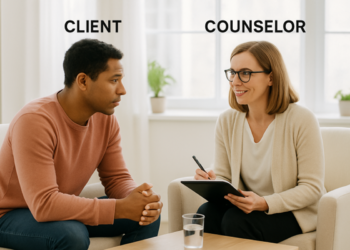
When partners struggle to truly hear one another, even small disagreements can turn into something bigger. Therapy offers a neutral, supportive space where couples can pause and communicate without fear of being misunderstood or judged.
In that calm setting, both voices matter equally and allow each person to share thoughts and emotions more openly.
Through guided conversations, couples begin to recognize communication patterns that may be causing tension and learn how to express needs more clearly. Eventually, understanding replaces defensiveness, and empathy begins to take root again.
But the key to success lies in finding the right therapist in your area. So if you live in Florida, start your hunt for reliable services that offer couples therapy in Lake Mary. Experts know their job well and emphasize trust, emotional awareness, and respectful dialogue. The focus is not on winning arguments, but on rebuilding a connection with your significant other.
- It Strengthens Relationship Satisfaction
Many couples do not realize how daily habits complement their long-term happiness. When couples share positive remarks, express affection, or disclose thoughts about their day, it tends to improve satisfaction, not only in the short term but in the long run.
A study of 93 couples with children found that higher scores in positive communication predicted higher levels of satisfaction, in both their intimate life and overall relationship, for both partners.
At the end of the day, therapy helps couples get used to these practices. Guided by a counselor, partners learn how to express kindness, clarify what they feel, and respond with empathy. By strengthening the positive parts of communication, couples lay a foundation of satisfaction that can sustain them through difficult times.
- It Helps You Lower Negativity and Strengthen Connection
Not all conflict is destructive. In fact, research shows that how couples handle disagreements matters more than whether disagreements occur at all. According to findings, direct forms of negative communication, like expressing frustration or addressing problems head-on, can sometimes lead to better outcomes when a couple is facing serious challenges.
However, the same behaviors may harm satisfaction when problems are minor. In contrast, indirect negativity, such as sarcasm or avoidance, tends to lower satisfaction across the board.
In such cases, therapy can help you and your loved one recognize which form of communication fits your situation. Instead of reacting automatically, partners learn to read the emotional climate of a moment and respond with intention.
Eventually, this skill lowers hostility and builds emotional safety, and allows couples to turn conflict into growth rather than distance. It is not about avoiding negativity altogether, but about using it wisely, with empathy and purpose.
- It Encourages Active Listening and Empathy
So often, couples hear one another without really listening. Words get lost between defensiveness, assumptions, and the rush to respond. But speaking to a professional slows this process down. It goes above and beyond to encourage both partners to move from listening to reacting to listening to understand, and this changes everything.
But keep in mind that active listening is not about agreeing with every word your partner says. All you need to do is acknowledge their experience and make space for it. During therapy, couples practice reflecting what they hear, noticing tone and body language, and asking clarifying questions before responding.
Remember, when partners begin to feel heard and understood, walls start to come down. It becomes easier to share openly and to respond with kindness, even in moments of tension.
- It Rebuilds Trust
Trust in a relationship does not disappear overnight. In most cases, it fades through small misunderstandings, unspoken frustrations, or promises that go unmet. Once cracks begin to show, many couples find it difficult to be vulnerable again.
But if you and your partner join therapy, you can leverage the safe space it offers to rebuild that trust through open and honest dialogue. With guidance, partners learn how to talk about what hurt them without turning the conversation into blame or defense.
In these moments, truth becomes a healing tool rather than a weapon. A therapist helps both individuals understand what trust means to them and how to rebuild it piece by piece. It might begin with honesty about emotions, followed by consistent actions that align with those words.
Conclusion
Communication is all about connection, patience, and understanding. Every relationship faces moments where communication falters, where frustration replaces empathy, and silence feels easier than honesty. Yet those very moments can also become turning points. Therapy helps couples rediscover the language of their relationship that once came naturally.
Through guided conversations, partners learn how to listen with presence, speak with clarity, and handle conflict without losing respect for one another. The process is not about fixing everything overnight, but learning to move together again, even through discomfort.
For many couples, choosing therapy means investing in hope. Whether it means learning new tools, healing old wounds, or simply understanding each other on a deeper level, the goal remains the same: to communicate with love and to build a relationship that feels safe, alive, and enduring.