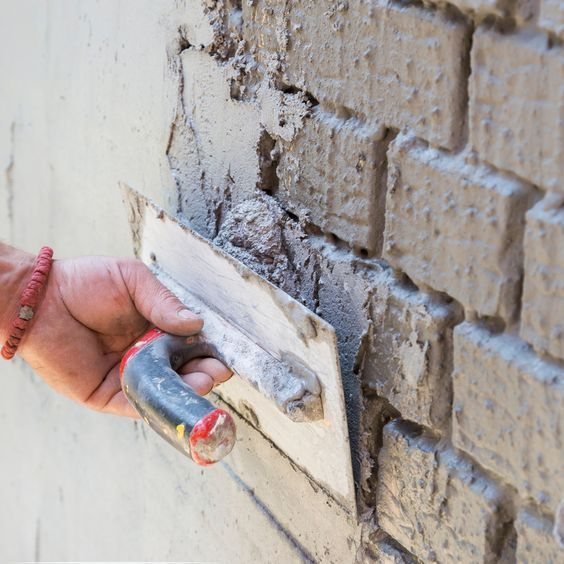
Have you ever wondered why some brick walls last centuries while others crumble within decades? The secret lies in understanding which masonry surfaces create the strongest mortar bonds. Your choice of surface material can make or break your construction project.

Getting the right mortar bond isn’t just about slapping cement between bricks. You need to understand how different surfaces interact with mortar at a molecular level. The best bonding happens when your masonry surface has the perfect balance of texture, absorption, and chemical compatibility.
Mortar Bond Fundamentals
Think of mortar bond as nature’s own superglue system. When you spread mortar on masonry surfaces, you’re creating both mechanical and chemical connections that hold your structure together. The mortar doesn’t just sit between blocks – it actually penetrates tiny pores and creates microscopic anchors.
Your bond strength depends on how well the mortar grips the surface mechanically and bonds chemically. Picture tiny cement fingers reaching into every crack and pore of your masonry surface. The rougher and more porous your surface, the more places these fingers can grab hold.
Surface cleanliness, texture, and absorption rate all work together to determine bond quality. You can’t have strong mortar bonds without getting all these factors right from the start.
Surface Texture – The Mechanical Interlock
Your masonry surface texture acts like velcro for mortar bonding. Rough surfaces with lots of tiny bumps and valleys give mortar more places to grip. When cement paste flows into these microscopic spaces, it hardens and creates thousands of tiny anchors holding everything together.
Smooth surfaces are your enemy when building strong mortar bonds. Glass-smooth bricks or polished stones give mortar almost nothing to grab onto. You’ll end up with weak bonds that fail under stress. Wire-cut bricks perform much better than pressed bricks because of their rougher texture.
Surface cleanliness matters just as much as roughness. Dust, oil, or loose particles create a barrier between your mortar and masonry surface. Always clean surfaces before applying mortar to get maximum bond strength.
Initial Rate of Absorption
Your masonry surface needs to absorb water at just the right speed for optimal mortar bonding. The Initial Rate of Absorption measures how much water your surface soaks up in the first minute of contact. Think of it as your surface’s thirst level.
The sweet spot for IRA falls between 10-20 grams per minute per 30 square inches. Surfaces that absorb too much water suck moisture out of your mortar before it can properly cure. This leaves you with weak, crumbly joints that won’t last.
Surfaces with very low absorption rates don’t allow proper water exchange either. Your mortar can’t penetrate the surface or form strong chemical bonds. You’ll get surface adhesion only, which fails easily under temperature changes or structural movement.
Top-Performing Masonry Surfaces
Extruded Clay Bricks
Extruded clay bricks top the list for mortar bonding performance. During manufacturing, clay gets pushed through dies under pressure, creating natural surface textures perfect for mortar grip. The extrusion process leaves tiny ridges and valleys that give mortar plenty of mechanical interlock points.
These bricks have ideal absorption rates because clay particles create just the right pore structure. Your mortar can penetrate deep enough to form strong bonds without losing too much water too quickly. The clay composition also provides excellent chemical compatibility with cement-based mortars.
You’ll find extruded clay bricks maintain consistent bonding properties across different weather conditions. Their thermal expansion matches well with most mortars, reducing stress that could break bonds over time.
Concrete Masonry Units (CMU)
Concrete masonry units offer excellent mortar bonding because they share similar chemical composition with your mortar. Both contain cement, so they naturally want to bond together at the molecular level. This chemical compatibility creates stronger, more durable connections than purely mechanical bonds.
The manufacturing process for CMU blocks creates ideal surface textures for mortar bonding. Vibration and compression during molding leave surfaces with perfect roughness – not too smooth, not too coarse. Your mortar can flow into surface irregularities and form strong mechanical interlocks.
CMU blocks also have controlled absorption rates that work well with standard mortars. The concrete matrix provides steady, moderate water absorption that helps mortar cure properly while forming deep penetrating bonds.
Natural Stone Surfaces
Sedimentary rocks like limestone and sandstone create the best mortar bonds among natural stone options. Their layered structure provides natural texture and controlled porosity that mortar can penetrate effectively. These stones formed under pressure over millions of years, creating ideal surface characteristics for bonding.
Igneous rocks like granite present bonding challenges because of their dense, crystalline structure and smooth surfaces. Metamorphic rocks fall somewhere in between but often have unpredictable absorption patterns that make consistent bonding difficult to achieve.
Your best natural stone choices include limestone, sandstone, and some volcanic rocks. These materials offer the right combination of surface texture, absorption rate, and chemical compatibility for strong, lasting mortar bonds.
Advanced Bonding Mechanisms
Surface suction plays a huge role in mortar bond development. When you place fresh mortar against masonry surfaces, the surface pulls water from the mortar through capillary action. This suction helps mortar penetrate deeper into surface pores and creates stronger mechanical bonds.
Proper mortar penetration depth should reach at least 1/16 inch into your masonry surface. Deeper penetration creates more contact area and stronger bonds. Pre-wetting techniques can help control suction rates and improve penetration on highly absorbent surfaces.
Chemical compatibility between your mortar and masonry surface affects long-term bond durability. Surfaces with similar thermal expansion rates and pH levels create more stable bonds that resist cracking and separation over time.
Professional Evaluation of Mortar Bond
Expert Assessments
Masonry engineers use specialized knowledge to evaluate which surfaces will produce the best mortar bonds for your specific project. They consider factors like local climate, structural loads, and material availability when making recommendations. Their expertise helps you avoid costly bonding failures.
Materials scientists analyze surface characteristics at the microscopic level to predict bonding performance. They examine pore structure, surface energy, and chemical composition to determine compatibility with different mortar types. This scientific approach takes guesswork out of material selection.
Experienced masons provide valuable field insights about how different surfaces perform in real-world conditions. Their hands-on knowledge helps identify potential problems before they become expensive failures in your masonry construction project.
Standardized Testing Methods
The ASTM C1072 Bond Wrench Test measures actual bond strength between mortar and masonry surfaces. This test applies controlled force to mortar joints until they fail, giving you precise measurements of bond performance. You can use these results to compare different surface materials objectively.
ASTM C67 Absorption Tests determine how much water your masonry surfaces absorb under controlled conditions. These standardized procedures help predict how surfaces will interact with mortar during construction. Consistent testing methods ensure reliable, comparable results.
Laboratory evaluation techniques provide detailed analysis of surface characteristics that affect bonding. These tests examine everything from pore size distribution to surface chemistry, giving you complete information for making informed material choices.
Field Testing Techniques
You can perform simple water droplet tests on-site to evaluate surface absorption rates. Place a few drops of water on your masonry surface and time how long they take to absorb. Surfaces that absorb water in 1-2 minutes usually provide good mortar bonding conditions.
The “green” bond test involves placing a small amount of fresh mortar on your surface and checking adhesion after 10-15 minutes. Good bonding surfaces will hold the mortar firmly without easy removal. This quick test helps identify potential bonding problems before full installation.
Quick evaluation methods help you assess bond potential without expensive laboratory testing. Visual inspection of surface texture, simple absorption tests, and small-scale bonding trials can reveal most surface characteristics that affect mortar performance.
Factors Affecting Bond Quality
Environmental conditions during construction significantly impact mortar bond development. Hot, dry weather can cause rapid water loss from mortar, preventing proper curing and bond formation. Cold temperatures slow chemical reactions and can freeze water in fresh mortar, destroying bond strength.
Surface preparation makes or breaks your mortar bonding success. Dirty, dusty, or contaminated surfaces prevent proper mortar contact with the masonry. You must clean surfaces thoroughly and remove any loose material before applying mortar for best results.
Mortar compatibility with your chosen masonry surface affects both initial bond strength and long-term durability. Mismatched materials can create stress concentrations that lead to bond failure over time, even if initial adhesion seems adequate.
Best Practices for Optimal Mortar Bonding
Proper surface preparation starts with thorough cleaning to remove dust, dirt, and loose particles. Use appropriate cleaning methods for your specific masonry type – some surfaces need gentle brushing while others can handle pressure washing. Clean surfaces always bond better than dirty ones.
Select mortar types that match your masonry surface characteristics. High-absorption surfaces need mortars with good water retention, while low-absorption surfaces work better with mortars that cure without relying heavily on surface suction for water management.
Control environmental conditions during mortar application and curing. Protect fresh mortar from extreme temperatures, wind, and direct sunlight. Proper curing conditions help develop maximum bond strength and ensure long-term durability of your masonry construction.