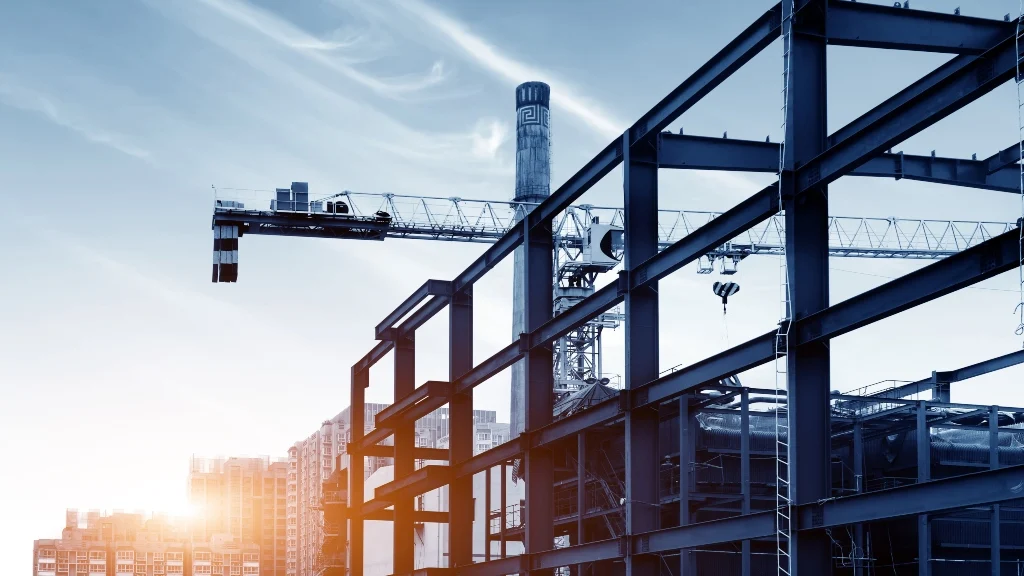
Commercial property development companies specialize in office buildings, retail centers, industrial warehouses, and mixed-use complexes that generate income through leases rather than sales. Their process differs significantly from residential development because they’re creating assets designed to produce cash flow for decades. Every decision from site selection to HVAC specifications affects long-term profitability and tenant satisfaction. These companies balance construction costs against rental income potential while managing relationships with corporate tenants, investors, and local governments throughout multi-year development cycles.


Site Selection Based on Tenant Demand Patterns
Location means everything in commercial development, but not in the obvious ways. It’s not just about busy streets or proximity to highways. Companies analyze commute patterns, nearby amenities, parking availability, and future infrastructure plans before buying land. An office building needs different location criteria than a warehouse or shopping center.
For office developments, they study where employees actually want to work. That’s shifted dramatically in recent years. Buildings near public transit and mixed-use neighborhoods now command premium rents compared to suburban office parks. Companies use mobile phone data and traffic studies to understand movement patterns in potential locations. If workers in a city tend to live in certain neighborhoods, office space between those areas and downtown becomes more valuable.
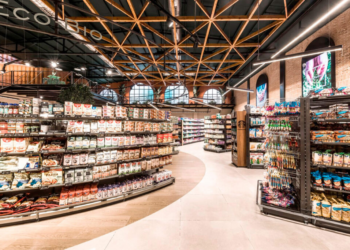
Retail developments focus on traffic counts and demographic spending power within specific drive times. They map out competition, calculate market saturation, and project how online shopping trends might affect foot traffic over the next twenty years. A site that looks perfect today might be terrible in ten years if a new highway redirects traffic or if the surrounding area’s demographics shift.
Securing Financing Through Pre-Leasing and Investor Relations
Banks won’t finance commercial projects without proof that tenants actually want the space. Development companies typically need to pre-lease 30 to 50 percent of a building before construction financing gets approved. This means they’re selling space that doesn’t exist yet, which requires detailed renderings, floor plans, and buildout specifications.
Landing an anchor tenant changes everything. If a major company signs a ten-year lease for three floors, suddenly financing becomes much easier and smaller tenants feel confident signing leases too. Companies often offer anchor tenants significant concessions like reduced rent for the first year or custom buildouts at no extra charge. It’s worth it because that signature unlocks the entire project.
The financing structure gets complex. Most projects use a combination of equity (investor money), senior debt (bank loans), mezzanine financing (riskier loans with higher interest), and sometimes government incentives or tax credits. Development companies spend months negotiating these arrangements, and the terms directly affect project profitability.
Design Specifications That Affect Operating Costs for Decades
Every building system choice impacts operating expenses that tenants pay through their leases. Cheap HVAC systems might save money during construction but cost tenants thousands extra per year in energy bills. Smart developers invest in efficient systems because they can charge higher rents when operating costs are lower.
Ceiling heights matter more than most people realize in office buildings. Older buildings with 8-foot ceilings struggle to attract modern tenants who expect 9 to 12-foot ceilings that feel open and can accommodate better lighting and ventilation. Warehouse developments especially focus on clear height (the distance from floor to the lowest obstruction). Modern logistics operations want 32 to 40 feet of clear height to maximize vertical storage, and buildings with less than that struggle to compete.
Column spacing and floor loading capacity determine how tenants can use the space. Wide column-free spans give tenants flexibility to configure layouts however they want. If columns break up the space every 20 feet, tenant options become limited. For industrial buildings, floor loading capacity (measured in pounds per square foot) determines whether heavy equipment or dense storage can be safely installed.
Managing the Construction Phase and Tenant Improvements
Commercial construction involves more coordination than residential because mechanical, electrical, and plumbing systems are far more complex. A modern office building might have dedicated server rooms with redundant power supplies, advanced fire suppression systems, and sophisticated climate control that maintains different temperatures in different zones.
Developers usually build the core and shell first (structure, exterior, common areas, and base building systems) then customize individual spaces for tenants. This tenant improvement (TI) phase happens after leases are signed. The lease specifies how much the landlord will contribute to buildouts, typically measured in dollars per square foot. Negotiating TI allowances is a huge part of lease deals.
The construction timeline extends 18 to 36 months for most commercial projects, sometimes longer for large complexes. Development companies maintain aggressive oversight because delays directly impact when rent payments begin. If a project scheduled to open in Q3 slips to Q4, that’s three months of zero income while debt payments and operating costs continue piling up.