Homeowners facing sewer line issues often find themselves trapped in a nightmare of potential property damage and costly repairs. Sewer line problems can quickly escalate from minor inconveniences to major infrastructure challenges, leaving property owners stressed and searching for the most effective solution. This comprehensive guide explores two primary repair methods: trenchless sewer repair and traditional excavation, helping you make an informed decision that protects your property and wallet.


What Is Sewer Line Repair?
Sewer line repair addresses critical underground infrastructure that carries wastewater away from your home. Pipes deteriorate over time due to multiple factors including soil movement, tree root intrusion, age-related decay, and material degradation. When these underground conduits develop cracks, breaks, or blockages, immediate intervention becomes necessary to prevent catastrophic failures that could result in sewage backups, environmental contamination, and extensive property damage.
What Is Trenchless Sewer Repair and How Does It Work?
Trenchless sewer repair represents a revolutionary approach to underground pipe restoration. This method involves inserting specialized equipment through small access points without extensive digging. Technicians use advanced camera inspection technologies to identify precise damage locations.
Two primary trenchless techniques exist: pipe lining and pipe bursting. Pipe lining involves inserting a flexible resin-coated tube into the existing pipe, which hardens to create a seamless, robust inner layer. Pipe bursting uses hydraulic equipment to break the old pipe while simultaneously pulling a new pipe into place.
How Traditional Sewer Excavation Is Done
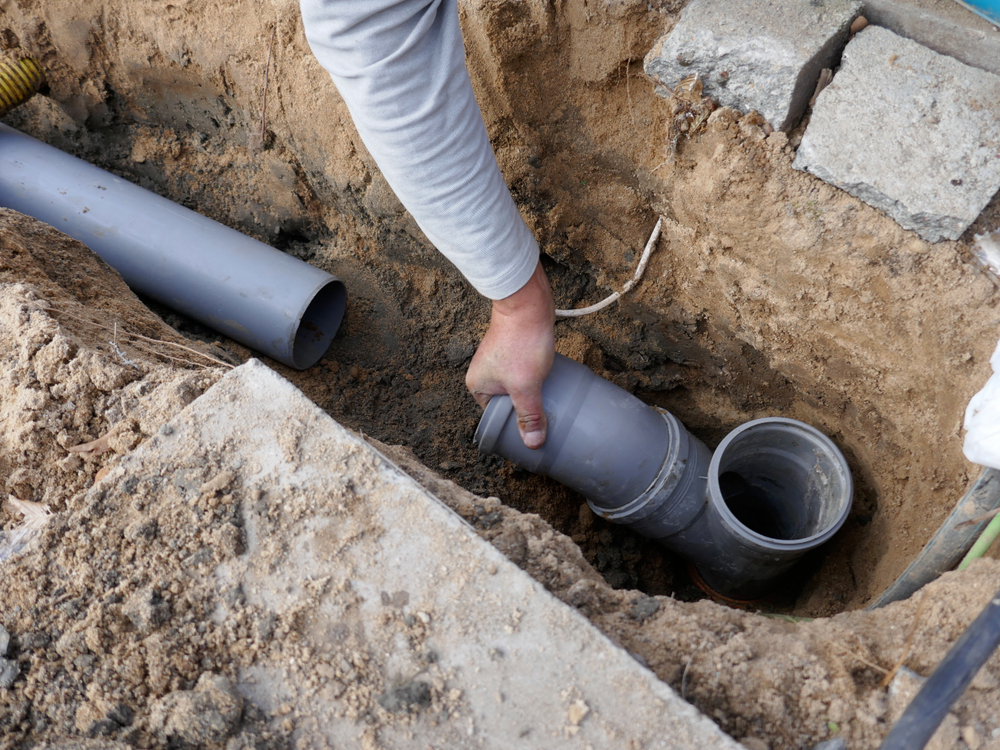
Traditional sewer excavation follows a more invasive approach requiring extensive digging. Contractors manually excavate large trenches along the entire pipe route, exposing the entire damaged section. Heavy machinery like backhoes and excavators remove soil, creating significant disruption to landscaping, driveways, and surrounding infrastructure. Workers carefully remove the damaged pipe section, then replace it with new piping materials. This method demands considerable manual labor, specialized equipment, and substantial restoration work after pipe replacement.
Key Differences Between Trenchless and Traditional Methods
The primary distinctions between trenchless and traditional methods center on invasiveness, efficiency, and environmental impact. Trenchless techniques minimize surface disruption, requiring only small access points instead of extensive trenching. Traditional excavation creates massive landscape destruction, often necessitating complete reconstruction of yards, gardens, and hardscaped areas. Trenchless repairs typically complete faster, often within hours or days, while traditional methods might require weeks of continuous work. Environmental considerations also differ significantly, with trenchless methods producing minimal soil disturbance and reduced carbon footprint.
Which Option Saves More in the Long Run?
Initial cost perceptions might suggest traditional excavation appears cheaper, but long-term expenses tell a different story. Trenchless repairs reduce indirect costs associated with landscape restoration, property damage, and extended labor. Traditional excavation involves substantial expenses for heavy machinery, manual labor, material removal, and comprehensive site rehabilitation. Trenchless methods often provide more durable solutions with fewer potential complications. Homeowners should consider total project costs, including restoration, potential property value impact, and future maintenance requirements when evaluating repair strategies.
Impact on Landscaping and Property
Landscape preservation represents a critical consideration for homeowners. Trenchless techniques minimize surface disruption, protecting expensive landscaping, intricate garden designs, and hardscaped areas. Traditional excavation creates massive destruction, potentially requiring complete landscape reconstruction. Mature trees, decorative plants, irrigation systems, and decorative stonework face significant risk during extensive digging. Trenchless methods preserve property aesthetics, reducing stress and additional restoration expenses homeowners might encounter with traditional approaches.
Which Method Lasts Longer?
Modern trenchless repair technologies often provide superior durability compared to traditional pipe replacement. Specialized materials like epoxy resin create seamless, corrosion-resistant inner pipe layers that can last 50-100 years. Traditional pipe replacements might degrade faster due to more connection points and potential installation inconsistencies. Trenchless methods reduce future failure risks by eliminating multiple potential weak points inherent in traditional pipe joining techniques.
Choosing the Right Sewer Repair Method for Your Home
Selecting an appropriate repair method depends on multiple factors including pipe condition, property layout, budget, and specific damage characteristics. Professional sewer inspection using advanced camera technologies provides definitive guidance. Homeowners should consult experienced plumbing professionals who can assess individual circumstances and recommend the most suitable approach.
Summary
- Trenchless repairs minimize landscape disruption
- Long-term cost savings favor trenchless technologies
- Modern materials provide superior durability
- Professional assessment remains critical
- Environmental impact favors less invasive methods
- Total project costs extend beyond initial repair expenses
By understanding these comprehensive insights, homeowners can make informed decisions protecting their property’s infrastructure while minimizing potential complications and expenses.