Few upgrades change the feel of a home as much as a new bathroom or kitchen refresh. At the centre of both spaces are the tiles. They influence how big or small a room feels, set the overall mood and quietly deal with water, steam, food splashes and constant cleaning.


If you are planning a renovation, choosing the right bathroom tiles melbourne and kitchen splashback tiles can turn functional rooms into spaces you actually enjoy spending time in.
Start with the Look and Feel
Before you get lost in samples, it helps to define the overall style you want. Do you imagine a calm spa-like bathroom, a sleek hotel-inspired space or something more classic and family-friendly? In the kitchen, are you leaning towards clean and minimal, bold and colourful, or warm and textured?
Once you have that direction in mind, the tile choices become much easier to assess. Soft neutrals and stone-look finishes tend to create a relaxed, timeless feel. Strong patterns, colour and gloss can bring energy and personality, especially in smaller feature areas. The key is to think in terms of the whole room, not just a single wall.
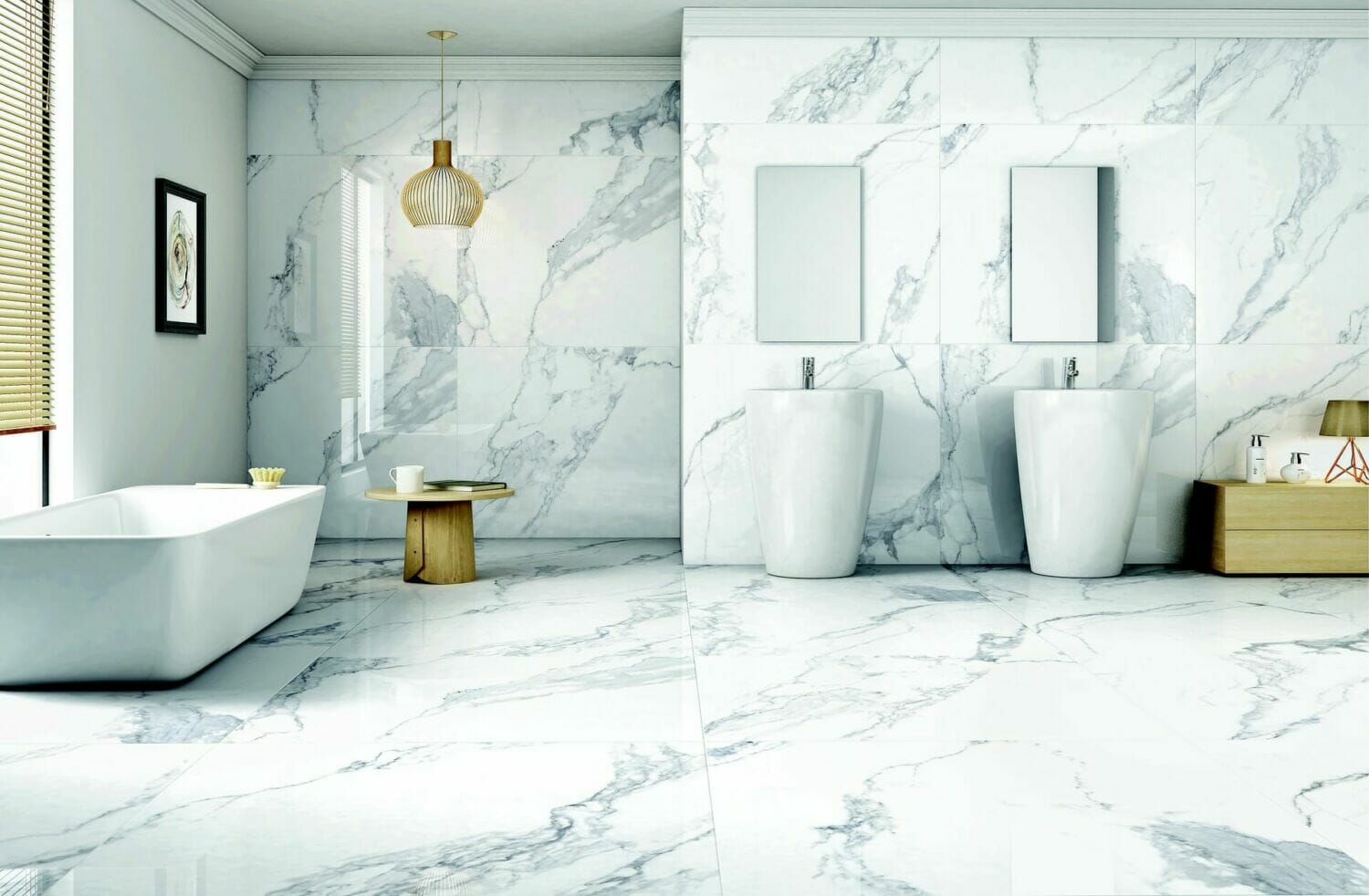
Choosing Tiles That Work in the Bathroom
Bathrooms are demanding environments. Tiles need to cope with water, humidity, cleaning products and daily use, while still looking good.
On the floor, safety comes first. Matt or lightly textured tiles with appropriate slip resistance are the safest choice, particularly in walk-in showers and family bathrooms. Mid-tone colours often work best because they are more forgiving of everyday dust, soap and hair than very light or very dark shades.
Wall tiles give you more freedom to play with style. Glossy finishes bounce light around and can make compact bathrooms feel larger and brighter. Vertical stacking or slim rectangular formats can draw the eye up and add a sense of height. If you like bolder colours or patterned tiles, using them on a single feature wall, inside a shower niche or behind the vanity is a good way to introduce character without overwhelming the space.
Grout colour has a bigger impact than many people expect. A grout that blends with the tile creates a calm, almost seamless surface. A contrasting grout highlights the shape and pattern of each tile and can feel more graphic and contemporary. Think about how much visual “movement” you want in the room before you decide.
Designing a Splashback That Complements Your Kitchen
In the kitchen, the splashback ties together the benchtop, cabinetry and appliances. It can either quietly support the overall design or become the hero element of the room.
If your benchtop already has a strong pattern or veining, a simpler choice for your splashback tiles usually works better, perhaps in a complementary colour or subtle texture. If your cabinetry and benchtop are quite minimal, the splashback is the perfect place to introduce interest through colour, shape or layout.
Subway tiles remain popular because they are so versatile. You can lay them in classic brickbond, stack them vertically for a modern look or angle them in herringbone to add movement. Small mosaics can add texture and sparkle, while larger-format tiles create a sleek, low-maintenance surface with fewer grout lines. Also consider how high you want the splashback to go. Stopping at the underside of overhead cabinets is common, but running tiles to the ceiling behind a rangehood or open shelves can make the kitchen feel more architectural.
Bringing Bathroom and Kitchen Choices Together
If you are updating both rooms, it is worth thinking about how they relate to each other. They do not have to match, but some sense of connection makes the whole home feel more intentional. You might repeat a similar neutral tone, echo a stone-look finish in both spaces or use the same tile shape in different colours.
For example, a soft, natural palette in the bathroom can be picked up again in a textured, neutral kitchen splashback. Alternatively, you might choose the same style of tile but go for a calm colour in the bathroom and a more expressive shade in the kitchen. The aim is a shared design language, not identical rooms.
Practical Checks Before You Commit
Beautiful tiles still need to be practical. Before you finalise your choices, think about maintenance, light and scale.
Very glossy or very dark tiles can show fingerprints, soap scum and water spots more easily. Very textured tiles can require a little more effort to clean, especially in kitchens where oils and food splashes are common. Always look at samples under your own lighting, not just in the showroom. Natural and artificial light can change the appearance of colour and gloss throughout the day.
Room size and tile size should also work together. In small bathrooms and narrow kitchen splashbacks, too many small tiles and heavy grout lines can make the space feel busy. Larger formats or simpler patterns can help visually open things up. In larger rooms, mixing formats—such as big floor tiles with smaller wall features—can add interest without clutter.
It is always worth taking home a few samples to place next to your cabinets, benchtops and paint colours. Seeing everything together in your own space is one of the best ways to avoid combinations that clash or feel too cold or too heavy.
Work with Specialists, Not Just Shelves of Tiles
Tiles are not something you change every year, so a bit of expert guidance goes a long way. A design-focused Melbourne showroom like Erneste can help you understand slip ratings, finishes, and the technical details, while also suggesting pairings that suit your home’s architecture and your lifestyle.
Bring measurements, photos and inspiration images when you visit. Be honest about how you live—kids, pets, how often you want to clean—and about your budget. The more information you provide, the easier it is for consultants to guide you towards options that look good and perform well in real life.
When you combine a clear vision with the right technical advice, your bathroom and splashback tiles stop being just a surface choice. They become a foundation for spaces that feel cohesive, welcoming and tailored to the way you actually use your home.