A home is only as strong as its roof. This simple truth often gets overlooked—until something goes wrong. Whether it’s a minor leak, missing shingles, or major storm damage, roofing issues demand immediate attention. But more than just patching up problems, having a reliable roofing system is critical to the safety, efficiency, and longevity of your entire home.


In this article, we’ll walk through everything you need to know about your roof: its importance, the warning signs of damage, materials and styles to consider, common repair needs, and what to look for when hiring a professional. Whether you’re building, repairing, or maintaining, your roofing choices matter—and understanding them is key to making the right decisions.
Why Your Roof Is More Than Just a Covering
A roof does much more than keep the rain out. It’s a highly engineered system designed to protect your home from the elements, regulate temperature, and even contribute to energy efficiency. A well-maintained roof not only defends your property but also adds to its resale value and aesthetic appeal.
Here are just a few of the critical functions your roof performs:
- Weather Protection: From rain and snow to high winds and UV radiation, your roof shields the entire structure of your home.
- Thermal Regulation: Insulation and ventilation systems in the roof work together to maintain indoor comfort and reduce energy costs.
- Structural Support: A quality roofing system reinforces the structural integrity of the home.
- Curb Appeal: The roof is a significant visual component. Its material, color, and condition can significantly impact a home’s appearance.
Clearly, roofing is not something to take lightly. Investing in a strong system and proper care pays off in both performance and peace of mind.
Types of Roofing Materials and Their Benefits
One of the most important decisions in any roofing project is choosing the right material. There are several popular options on the market, each with its own strengths, costs, and expected lifespan.
1. Asphalt Shingles
The most commonly used roofing material due to their affordability and ease of installation. Modern versions offer decent durability and are available in a variety of colors.
Pros:
- Cost-effective
- Readily available
- Easy to replace
2. Metal Roofing
A long-lasting, energy-efficient option that’s gaining popularity in both residential and commercial settings. Metal roofs come in panels or shingles made from aluminum, steel, or copper.
Pros:
- Very durable
- Fire-resistant
- Reflects heat, reducing cooling costs
3. Tile Roofing
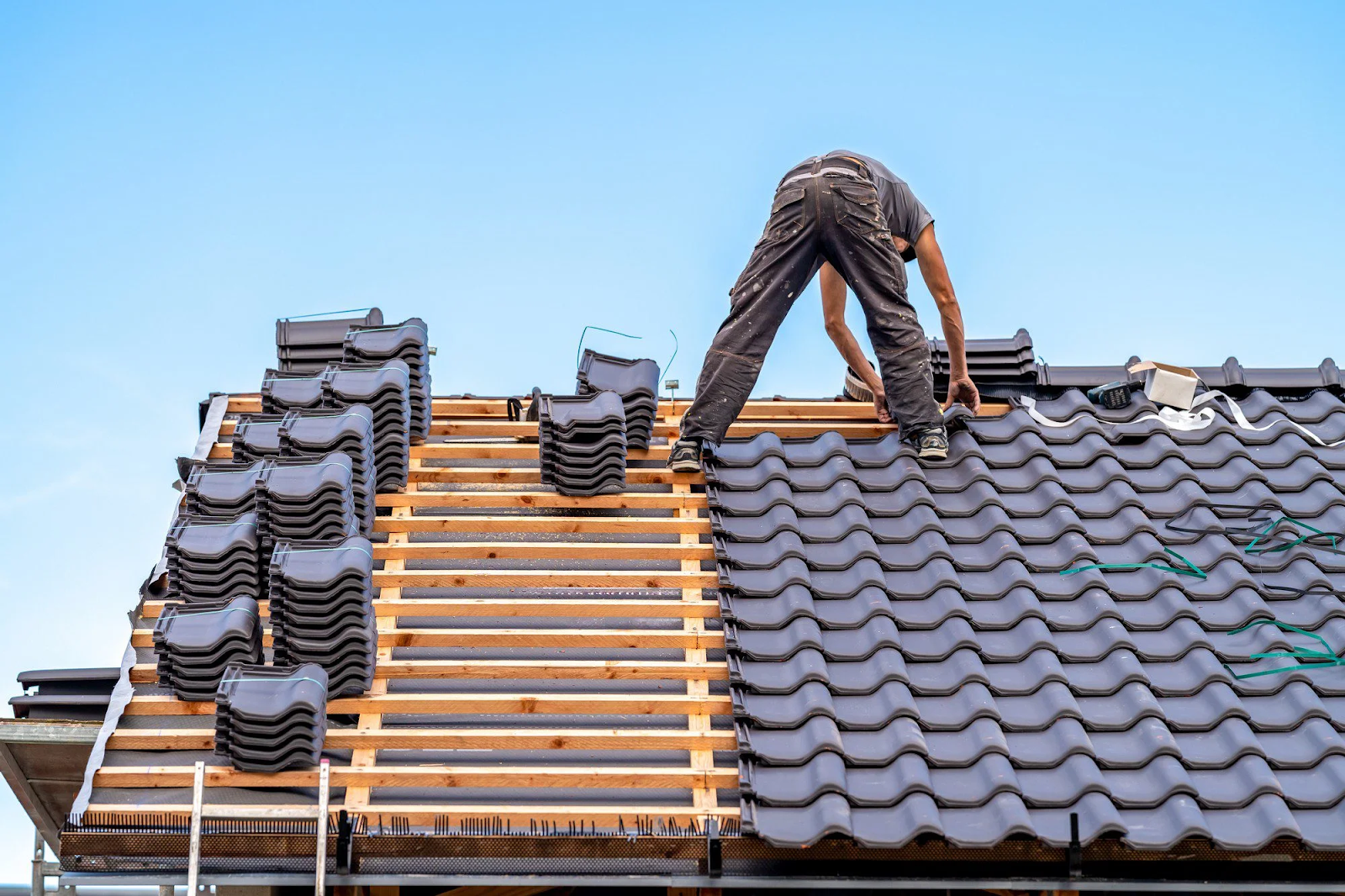
Made from clay or concrete, tile roofs are extremely durable and can last for decades with proper maintenance. Their Mediterranean or Southwestern appearance adds a distinctive style.
Pros:
- Long lifespan
- Resistant to rot and insects
- High aesthetic value
4. Slate Roofing
Natural slate is one of the most durable and elegant materials available. It’s also one of the most expensive, and its weight requires special structural considerations.
Pros:
- Lasts over 100 years
- Low maintenance
- Natural appearance
5. Synthetic Roofing Materials
These mimic traditional materials like slate or wood but are lighter and often more affordable. They’re made from rubber, plastic, or polymer composites.
Pros:
- Easier to install
- Lower cost than natural materials
- Variety of styles and colors
Each material has its pros and cons, and the best choice depends on your budget, climate, design preferences, and the structural demands of your home.
Signs Your Roof Needs Attention
A well-built roof can last decades, but it still requires ongoing attention to stay in top shape. Homeowners should be alert to early warning signs of wear or damage to avoid costly repairs or replacements.
Common signs include:
- Leaks or water stains on ceilings
- Missing or damaged shingles
- Curled, cracked, or blistered roofing materials
- Moss or algae growth
- Sagging areas or drooping lines
- Granule buildup in gutters
- Increased energy bills (due to poor insulation/ventilation)
If you notice any of these issues, it may be time to call a trusted roofer to perform a full inspection.
Roof Maintenance Tips to Extend Lifespan
Keeping your roof in good condition doesn’t require constant attention, but it does benefit from regular maintenance. Here are several tips to help extend the lifespan of your roof:
- Inspect Twice a Year: Spring and fall are ideal times to check for damage, debris, or wear.
- Clean Gutters Regularly: Blocked gutters can cause water to back up and damage roofing materials.
- Remove Debris: Clear leaves, branches, and other debris that may collect on the roof surface.
- Trim Overhanging Branches: This prevents damage from falling limbs and reduces debris buildup.
- Check for Rust or Corrosion: Especially important for metal roofs or nails in older systems.
- Seal and Paint Where Needed: Protect exposed areas from moisture and UV degradation.
A proactive maintenance routine not only prevents problems but also ensures that small issues are addressed before they become major repairs.
Common Roof Repairs and What They Involve
Even with diligent maintenance, every roof will eventually need some level of repair. Some of the most common repair needs include:
1. Shingle Replacement
Whether due to storm damage or aging, replacing damaged or missing shingles is a common fix that restores the roof’s protective layer.
2. Flashing Repairs
Flashing is used around chimneys, skylights, and vents to prevent leaks. Damaged flashing can lead to serious water intrusion if not repaired.
3. Leak Patching
Leaks can develop from cracked materials, unsealed joints, or punctures. A timely patch job prevents structural water damage inside the home.
4. Ventilation Improvements
Poor airflow can cause condensation and premature wear. Adding or repairing ventilation components keeps the attic dry and temperatures regulated.
5. Gutter-Related Repairs
Clogged or detached gutters often cause roofing issues, so sometimes the fix involves work on the drainage system, not just the shingles.
In any case, hiring a professional roofer ensures the job is done correctly and safely. Roof work can be dangerous and technical, especially if your home is multi-storied or has a steep pitch.
What to Look for When Hiring a Roofing Professional
Choosing the right professional is one of the most important decisions you’ll make as a homeowner. An experienced, qualified roofer can provide long-term value, while a poorly chosen contractor can lead to more problems than solutions.
Here’s what to consider when hiring:
- Licensing and Insurance: Make sure the company is fully licensed and carries liability and workers’ compensation insurance.
- Experience: Years in business and specialization in roofing are good signs of reliability.
- Reputation: Check online reviews, testimonials, and ratings. Word of mouth from neighbors is also helpful.
- Warranties: A reputable contractor will offer warranties on both materials and workmanship.
- Written Estimates: Always get a detailed, written quote before starting any work.
- Communication: A professional roofer will be clear about timelines, pricing, and expectations from the start.
Taking the time to choose the right expert means you’re more likely to get a roof that lasts, performs well, and adds value to your home.
The Long-Term Value of a Quality Roof
While the upfront cost of roofing can be significant, it’s important to view it as an investment rather than an expense. A high-quality roof provides long-term benefits including:
- Lower utility bills
- Reduced repair costs
- Increased home value
- Improved indoor comfort
- Protection from mold, rot, and water damage
More than that, it offers something you can’t put a price on: peace of mind. Knowing your home is well-protected from the top down allows you to focus on enjoying your space rather than worrying about every storm that rolls through.
Final Thoughts
Your roof is the first and most important line of defense against the elements. It shields your family, protects your investment, and helps maintain your home’s structural integrity. Whether you need a simple repair, full replacement, or ongoing maintenance, working with the right professional makes all the difference.
A knowledgeable and skilled roofer doesn’t just fix problems—they help prevent them. They guide you in choosing the best materials, ensure proper installation, and offer honest advice on when to repair or replace.
Don’t wait for leaks or major damage to take action. By investing time into understanding your roof and partnering with qualified experts, you’re securing the future of your home—one shingle at a time.